
Bakom: PSEL's Double Effect of Decomposing Waste and Creating Jobs
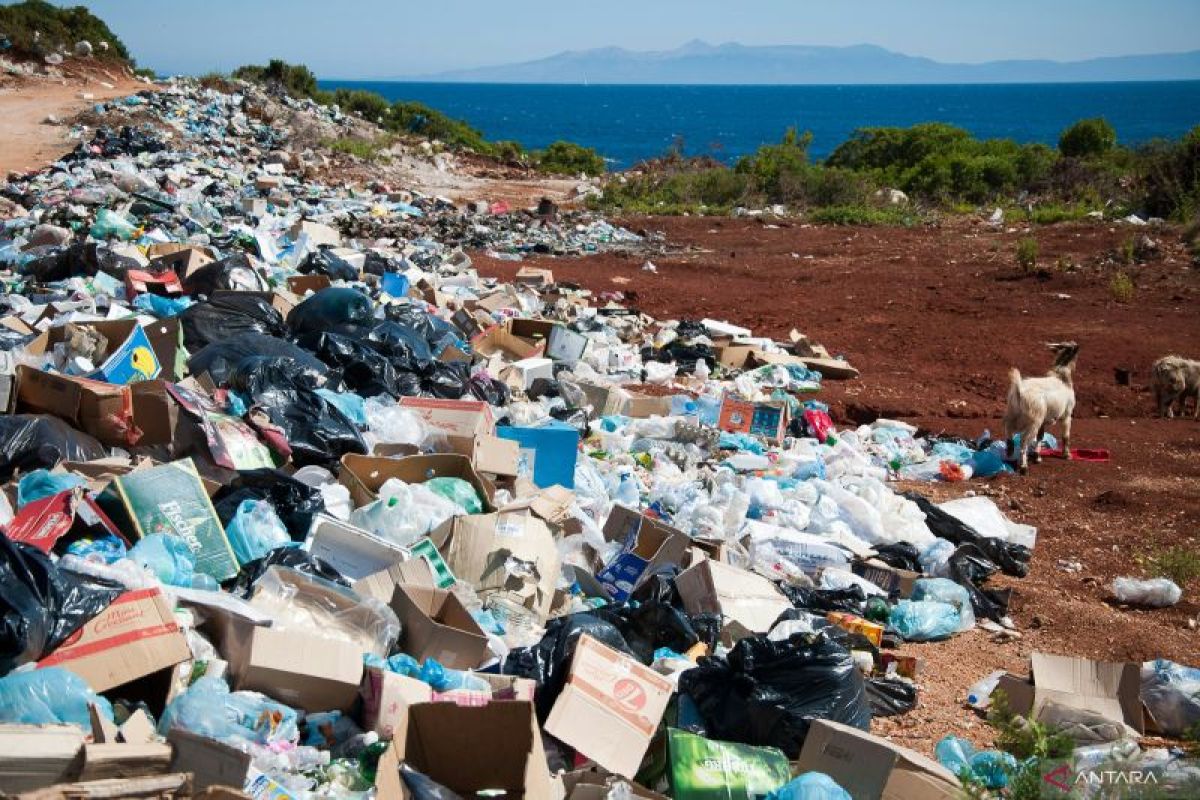
The Communication Agency (Bakom) of the Republic of Indonesia stated that the government, together with Danantara, has officially laid the first stone for the construction of the Bali Waste-to-Energy Plant (PSEL), which is expected to bring multiple benefits, from waste decomposition to job creation. Acting Deputy for Waste, Waste, and B3 Management at the Ministry of Environment (KLH)/Environmental Control Agency (BPLH), Laksmi Widyajayanti, explained the strategic impact of this project. “The implementation of this policy is expected to provide dual benefits, namely creating a clean and healthy environment, reducing greenhouse gas emissions, while increasing the national clean energy supply to strengthen energy security and creating around 1,200 green jobs, increasing investment in environmentally friendly technology, and establishing a sustainable green economy ecosystem,” Laksmi said in a release broadcast by Bakom in Jakarta on Monday. The Bali PSEL is projected to be a pioneer and benchmark for national waste management. In the future, similar infrastructure will be built in areas with high waste generation and waste emergency status, such as Bekasi City, Bogor Raya, and eight other strategic locations. Although supported by advanced downstream processing technology, Laksmi reminded that the success of waste management still depends on public awareness at the upstream level. The construction of this PSEL is a tangible manifestation of the transformation of national waste management. The government is fully committed to ensuring the entire development process proceeds quickly, measurably, and on target.