
Bakom: Character-building is vital to preparing the next generation
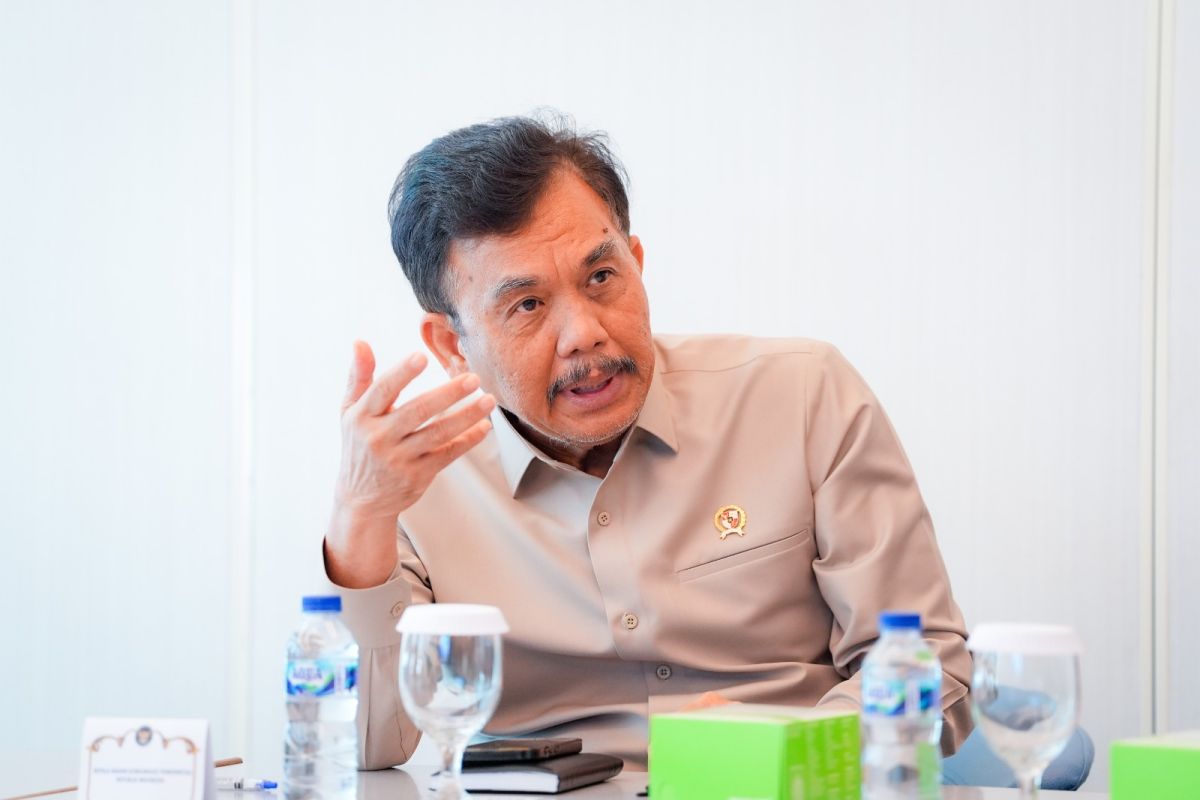
Jakarta (ANTARA) – Head of the Indonesian Government Communications Agency (Bakom), Syahganda Nainggolan, said the government considers character-building an important part of preparing Indonesia’s younger generation for the future.
“The state regards young people’s character as the starting point for progress. The government is shaping a generation that does not give up in the face of difficulty or crumble after failure. The state is opening a path for young people to dare to dream big and work as hard as possible to give their best to the nation,” Syahganda said in a statement received in Jakarta on Wednesday.
The commitment is reflected in a range of programmes designed to meet the needs of young people at different stages of life, from ensuring children grow up healthy and widening access to education, to providing suitable, modern learning spaces and equipping new graduates with work experience and opportunities to enter global markets.
Developing a high-quality generation begins with meeting basic needs, including nutrition. Through the Free Nutritious Meals (MBG) programme, the government aims to support children’s growth and development while strengthening their readiness to participate in education.
According to National Nutrition Agency data as of 9 October 2026, MBG had reached 57.5 million beneficiaries through 26,385 Nutrition Fulfilment Service Units (SPPG). They included 46.2 million students, 3.9 million teachers and education staff, and 7.4 million people in vulnerable groups: 4.9 million young children, 1.8 million breastfeeding mothers and 700,000 pregnant women.
The government aims to increase the programme’s reach to 72.4 million beneficiaries in 2027. With that coverage, MBG is one of the measures intended to ensure that nutritional needs do not prevent children from growing, learning and developing their potential.
The government is also widening educational opportunities through the Sekolah Rakyat (People’s Schools) programme. It provides access to education for children from the poorest families while helping ease the burden on parents facing financial constraints.
As of 23 September 2026, Sekolah Rakyat was operating at 182 locations, with more than 90 sites based in permanent buildings and serving around 44,000 students.
The number of students is expected to rise to more than 150,000 in 2027. The government also aims to build 500 permanent Sekolah Rakyat schools by 2029.
Through its boarding-school model, the programme gives students not only the opportunity to study but also support with daily necessities. Children can attend school without the burden of education, food or accommodation costs.
Efforts to widen access to education are being accompanied by improvements to educational facilities. The government is renovating schools to create safer and more comfortable learning environments for students and teachers.
A total of 16,167 schools were renovated during 2025. Renovation work at 11,744 schools in 2026 was about 70 per cent complete. At President Prabowo’s direction, the renovation target has been expanded to 71,744 schools.
The government is also promoting learning that is more responsive to technological developments through its education digitisation programme. During 2025, digital interactive whiteboards were distributed to 288,865 educational institutions across Indonesia.
In 2026, each school is receiving three additional units, with the aim of equipping four classrooms at every school with an interactive whiteboard.
The technology is expected to help teachers deliver lessons more interactively and make it easier for students to understand the material. With this support, children across Indonesia are expected to have more equal access to the knowledge and skills needed for further education or entry into the workforce.
After strengthening the foundations of education, the government is turning its attention to helping new graduates transition into work.
Through the National Internship Programme, the government aims to address common challenges faced by first-time jobseekers. Participants receive an allowance equivalent to the relevant regency or municipal minimum wage, as well as a competency certificate to help them enter the job market.
The programme has also begun to produce employment outcomes. Around 30,000 participants in the 2025 internship programme have been hired as permanent employees by the companies where they completed their placements.
Opportunities for young talent are also being extended to international labour markets through the SMK Go Global programme. The President launched the initiative to prepare skilled workers to take up jobs overseas through legal and safe channels.
Since applications opened on 12 August 2026, the programme has reached 7,239 participants, against a target of 40,000 for this year. In the longer term, the government aims to prepare 500,000 people by 2029, comprising 300,000 vocational-school graduates and 200,000 members of the general public.
The programme is part of efforts to broaden career choices for Indonesia’s younger generation. With skills tailored to labour-market needs and adequate preparation, vocational education graduates are expected to compete internationally.