
Bajo Women Fisherwomen in Torsiaje Process Octopus into Various Food Products
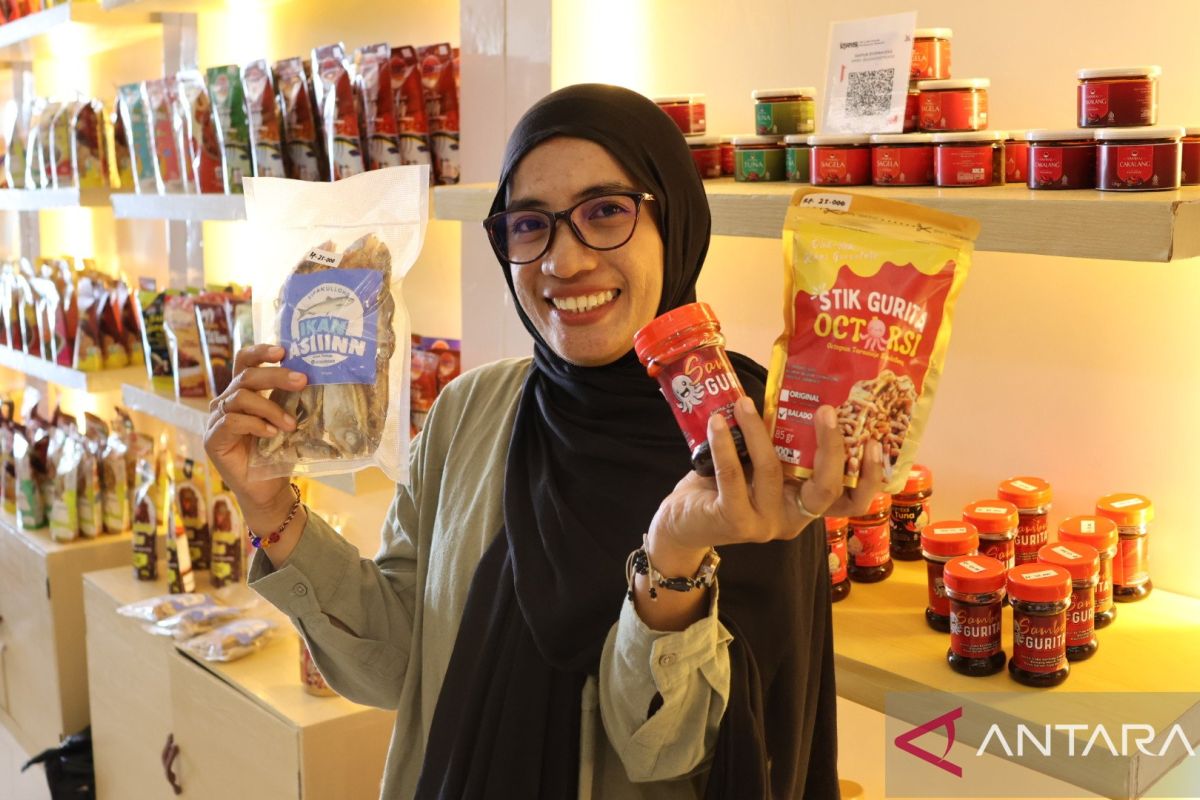
The Sipakullong group of women fisherwomen in Torsiaje, Gorontalo, is processing octopus catches into sambal and octopus sticks to enhance the economic value of their marine yields.
Sipakullong, which means ‘embracing each other’ in the Bajo language, is a group of women fisherwomen formed through the assistance of the Natural Resource Management Network (Japesda) alongside the local community.
Sri Dewi Karim Nagi, a mentor from Japesda, stated that the group has developed several octopus-based products, ranging from sambal to octopus sticks as light snacks. “We sell octopus sambal and octopus sticks. There are two variants: original and balado,” Dewi said in Gorontalo on Saturday.
She explained that the development of processed octopus is intended to provide added value to the fishermen’s catches, which were previously mostly sold in raw condition. The Sipakullong group began developing these processed products in 2022. In the initial stages, the group attempted to make octopus meatballs, but the product was not widely popular as the public is more accustomed to meat and fish-based meatballs.
“We started with octopus meatballs, but at that time, there was less interest. Perhaps because the community is more familiar with consuming meat and fish meatballs,” she noted.
The group subsequently developed the sambal and octopus stick products. These products are now marketed in Gorontally and have been introduced at exhibitions outside the region, including in Sorong and Bali.
According to Dewi, processing is also a chosen method to utilise octopus catches that suffer physical damage during the traditional fishing process. Octopus with severed limbs or physical damage fetch a lower price in the local market. Through processing, these catches can be utilised to create products with higher selling values.
“Fishermen usually use traditional methods, so there are some defects; for example, if two or three limbs are severed, they are valued lower locally. We try to utilise those local catches by processing them into products that have a significantly higher value compared to selling them raw,” she said.
In addition to processing octopus, the Sipakullong group is also developing other processed seafood, such as salted fish, as part of an effort to increase the added value of fishermen’s catches.
Mentorship for the group also includes education regarding the sustainable use of octopus resources. Fishermen are encouraged not to catch octopuses that are still too small to ensure they have the opportunity to grow before being harvested.
Dewi stated that octopuses have a relatively fast growth rate, so fishermen need to be patient and wait until they reach a larger size. “We also educate fishermen not to catch those below 0.3 kilograms, because growth is quite rapid, so fishermen can wait patiently until they can grow larger,” she added.
The development of these processed products serves as a way for the Sipakullong group to utilise marine resources more optimally, while simultaneously expanding the role of women fisherwomen in economic activities based on coastal resources.
Source: jawawa.id (https://jawawa.id/newsitem/bajo-women-fisherwomen-in-torsiaje-process-octopus-into-various-food-products-1789225288)
Originally published by Antara (Indonesian) (https://www.antaranews.com/berita/5738197/nelayan-perempuan-bajo-torsiaje-olah-gurita-jadi-aneka-produk-pangan), translated from Indonesian