
Bahrain and France co-operate on civil nuclear development
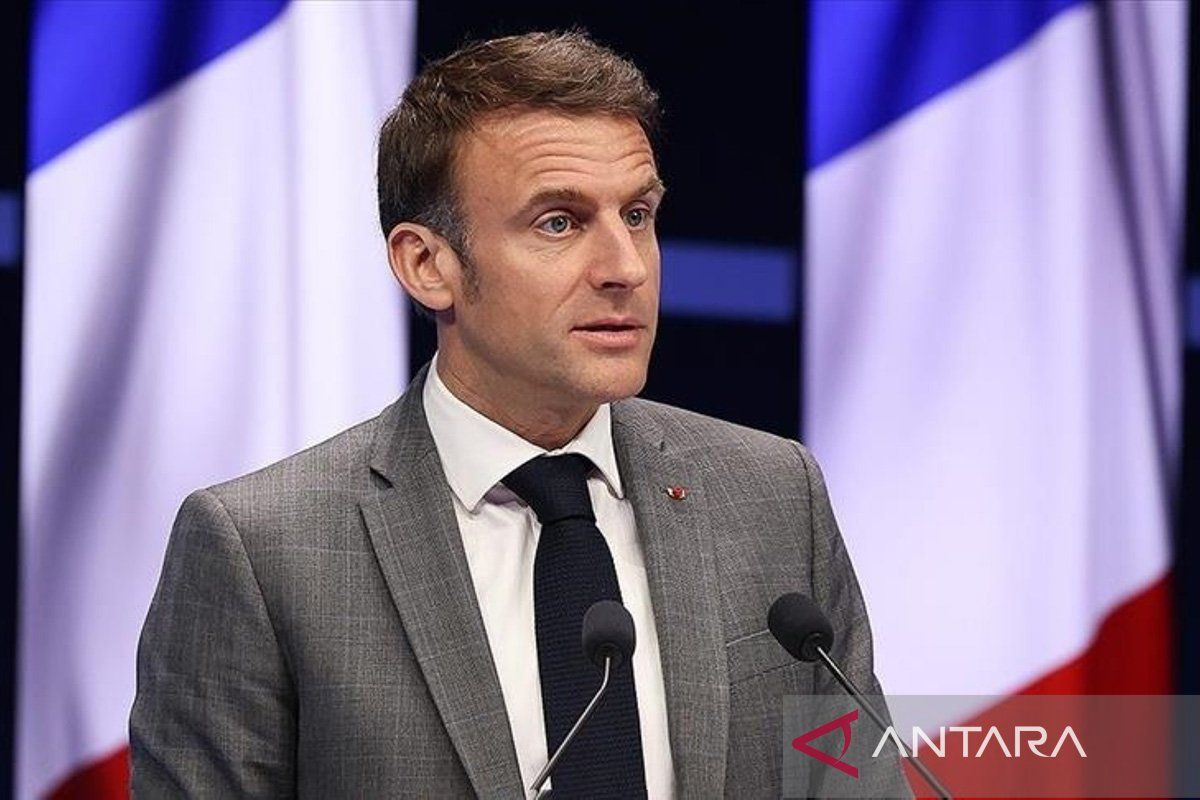
Istanbul (ANTARA) – Bahrain and France signed a memorandum of understanding on Tuesday (20 October) to co-operate on the peaceful use of nuclear energy, with the aim of developing the skills and expertise required for a civilian nuclear programme.
According to the Bahrain News Agency (BNA), the agreement was signed at the end of French President Emmanuel Macron’s visit to Manama, where he held talks with Bahrain’s King Hamad bin Isa Al Khalifa.
The two leaders witnessed the signing of the memorandum by Bahrain’s Ministry of Foreign Affairs and France’s Ministry for Europe and Foreign Affairs.
The news agency said the agreement aims to develop and maintain the expertise and capabilities needed for Bahrain’s civilian nuclear programme through specialised training initiatives.
During their talks, King Hamad and Macron discussed strengthening strategic co-operation in investment, economic development, defence, sustainable development and advanced technology.
They also exchanged views on regional and international developments, particularly the situation in the Middle East and efforts to address ongoing challenges.
King Hamad welcomed progress in bilateral relations, highlighting a defence co-operation agreement signed during his visit to France in February as a step towards broader co-operation in security, energy and technology.
He stressed the importance of respecting state sovereignty, upholding international law and resolving crises through dialogue.
According to BNA, Macron called for expanded co-operation on defence capabilities and the military industry, while also emphasising stronger ties in the energy sector.
The French president then left Manama for Doha, arriving on Tuesday evening, according to Qatar’s official news agency, QNA.
Macron’s Gulf tour, which took place from 19 to 21 October, also included visits to Kuwait and the United Arab Emirates.
The French presidency said the visits were intended to strengthen strategic and economic partnerships and promote regional stability, energy security and freedom of navigation through the Strait of Hormuz.
The visit took place amid regional tensions following the war launched by the United States and Israel against Iran on 28 February.
Tehran responded with missile and drone attacks across the region and closed the Strait of Hormuz, while Washington later imposed a naval blockade on Iranian ports.