
Bahlil's Strategy to Safeguard Energy Security Amid 'Sick' Geopolitics
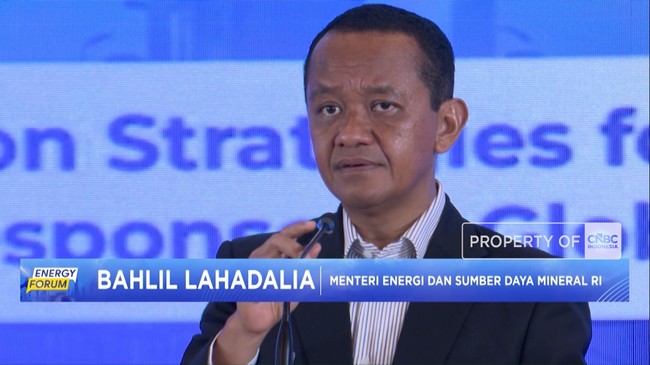
Energy and Mineral Resources Minister Bahlil Lahadalia has described global geopolitical developments as akin to a ‘malaria’ sickness, fluctuating and impacting the global economy. Amid this global uncertainty, Indonesia still requires imports of 1 million barrels of crude oil per day due to continuously declining oil and gas lifting. This situation is linked to ageing oil wells; therefore, to increase lifting, three measures can be taken: the use of technology, accelerating exploration of oil and gas wells in Eastern Indonesia with 118 potential new oil and gas blocks, and reactivating idle wells. Bahlil also noted that Indonesia currently consumes 39 million kilolitres of diesel. To suppress diesel imports, the government is pushing for the downstream processing of palm oil through the development of B50 Biodiesel, which will commence on 1 July 2026. The country also consumes 40 million kilolitres of petrol, necessitating efforts to curb petrol imports from Singapore and Malaysia. Nevertheless, Bahlil confirmed the government will not increase the price of subsidised fuel, with Indonesia’s energy subsidies reaching Rp 200-250 trillion, aimed at protecting the poor. Regarding the rising price of non-subsidised fuel, Bahlil stated this is reasonable as the users are wealthy individuals. In terms of LPG, current consumption is 8.5 million tonnes per year against production of only 1.8 million tonnes, resulting in foreign exchange outflows for LPG imports reaching Rp 150 trillion per year; thus, the government is promoting the use of Compressed Natural Gas (CNG) as a solution. Bahlil also discussed issues concerning the state electricity company PLN, which recently experienced power outages in some regions, highlighting the need to secure coal procurement to ensure electricity supply security.