
Bahlil Wants Regional MSMEs to Benefit from Downstreaming Projects, Not Just Watch from the Sidelines
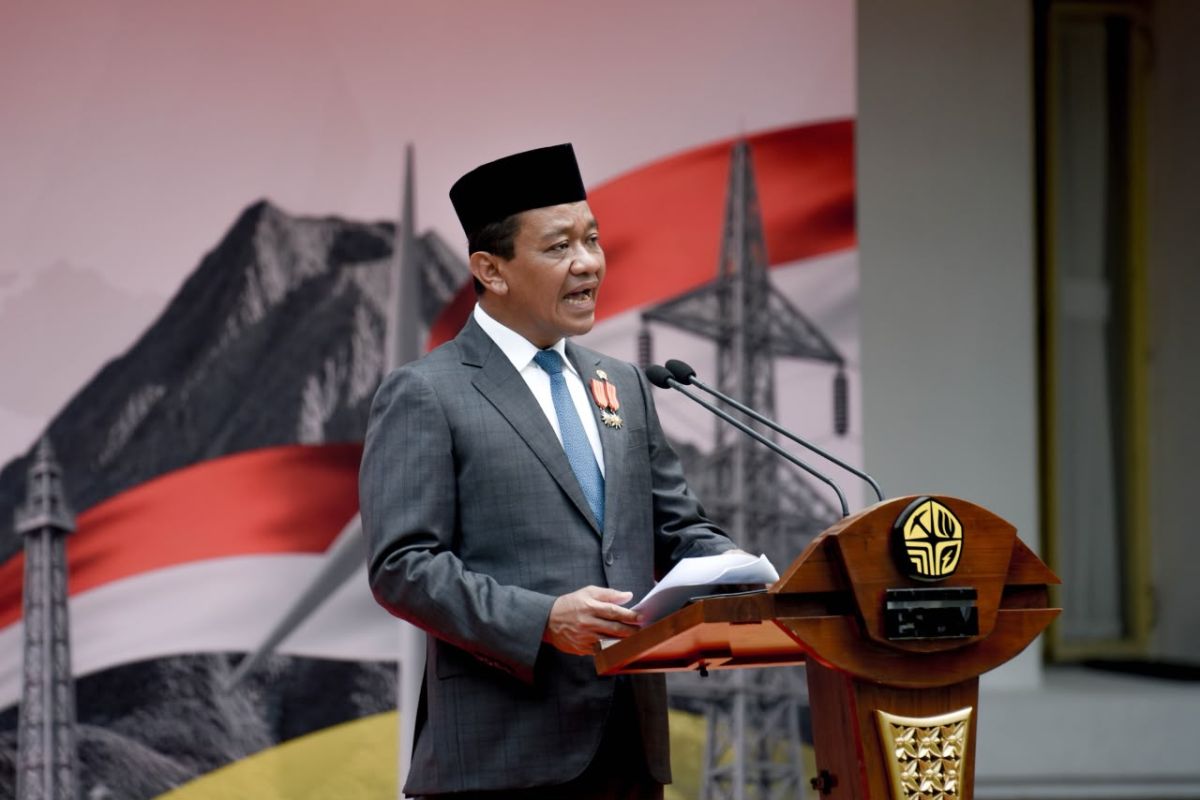
Jakarta (ANTARA) – Micro, small and medium-sized enterprises (MSMEs) and regional businesses should receive a larger share of natural-resource downstreaming projects. Coordinating Minister for Downstreaming and Energy Transition and Energy and Mineral Resources Minister Bahlil Lahadalia said he did not want major investments built in the regions to benefit only large investors, leaving local businesses as spectators.
Bahlil said the success of downstreaming could not be measured solely by the number of smelters or processing plants built in Indonesia. Processing industries should also promote a more equitable economy, create opportunities for MSMEs and strengthen the position of national businesses in industrial supply chains.
“Work should not all be controlled or monopolised by one particular group. It must be shared with local people so they can also take part in creating economic opportunities in their respective regions,” Bahlil said in a statement on Sunday (8 November 2026).
He said local businesses had so far been underrepresented in large-scale industrial projects. Although industrial facilities were built in the regions, the procurement of goods and services was often dominated by companies from Jakarta.
He recalled seeing this when he was chairman of the Indonesian Young Entrepreneurs Association (HIPMI). At the time, he said, even basic goods and operational requirements for downstreaming industries built in the regions were being sourced from Jakarta.
“When I was HIPMI chairman, businesses in Jakarta building downstreaming industries in the regions procured everything from nail clippers to hair-cutting scissors in Jakarta. So what did that leave for local people?” he said.
Local businesses must not lose out to major investors
Bahlil said the government had issued a ministerial decree regulating the use of non-affiliated contractors and creating more opportunities for regional businesses to participate in mining activities.
He said the policy had not always been welcomed by large business players because it changed established procurement practices.
“I have been criticised a lot by my big-business friends over the requirement that contractors must not be affiliated and that local people must be used,” he said.
Bahlil also highlighted disparities in ownership of mining business permits (IUPs). He questioned why so few regional entrepreneurs held mining permits when the natural resources were located in their own areas.
“Nickel belongs to the people of Sulawesi, Maluku and other regions. But how many people from Sulawesi and Maluku hold IUPs?” he said.
He said the same situation applied in coal-producing areas such as Kalimantan and Sumatra: the resources were in the regions, but permits were more often held by businesspeople based in Jakarta.
Bahlil said the tender process had made it difficult for regional businesses to compete with large business groups with greater financial resources.
The government is therefore seeking to amend the Mining Law to give MSMEs, cooperatives and regionally owned enterprises (BUMDs) priority access to mining permits.
“This is an affirmative measure by the state to give local people priority and fair access to IUPs,” he said.
Without such affirmative policies, he warned, mining ownership could remain in the hands of the same business groups.
“Those same people will keep owning the mines; those same people will keep getting richer,” he said.
Downstreaming must be more than relocating smelters
Bahlil also warned that the national downstreaming agenda must not stop at building processing plants or smelters in Indonesia.
In his view, a smelter alone would not constitute successful downstreaming if its technology, financing and industrial control remained dependent on foreign parties.
“For me, downstreaming should not just mean building a smelter. If the factory is in Indonesia but its technology still comes from abroad and its capital depends on foreign sources, then we are not fully self-reliant. We have only moved the processing site, while the dependency remains,” Bahlil said.
He said the government under President Prabowo Subianto wanted to ensure that downstreaming generated greater added value for the national economy while strengthening domestic technological capabilities and industrial capacity.
Bahlil added that the government was continuing to improve investment and licensing governance to make business processes more transparent and efficient.
One measure was to return mining Work Plans and Budgets (RKABs) to an annual system. The policy is expected to maintain market supply balance while protecting state revenue.
Bahlil said supporting regional businesses was part of the effort to achieve economic fairness in the management of natural resources.
“When the interests of the people are set against those of a particular group, I choose to put the people’s interests first,” he said.
“Because I was born in a village, God willing, I will remain steadfast in fighting for the people, the nation and the state,” Bahlil concluded.
Source: jawawa.id (https://jawawa.id/newsitem/bahlil-wants-regional-msmes-to-benefit-from-downstreaming-projects-not-just-watch-from-the-sidelines-1794207117)
Originally published by Antara (Indonesian) (https://www.antaranews.com/berita/5841107/bahlil-ingin-umkm-daerah-kecipratan-proyek-hilirisasi-bukan-cuma-jadi-penonton), translated from Indonesian