
Bahlil Takes a Dig at Bakrie Over Continued Diesel Import Permit Application
The government has halted diesel imports following the implementation of its B50 biodiesel programme. However, PT Kaltim Prima Coal (KPC), a coal-mining company owned by Bakrie Group, has continued to apply for a permit to import the fuel.
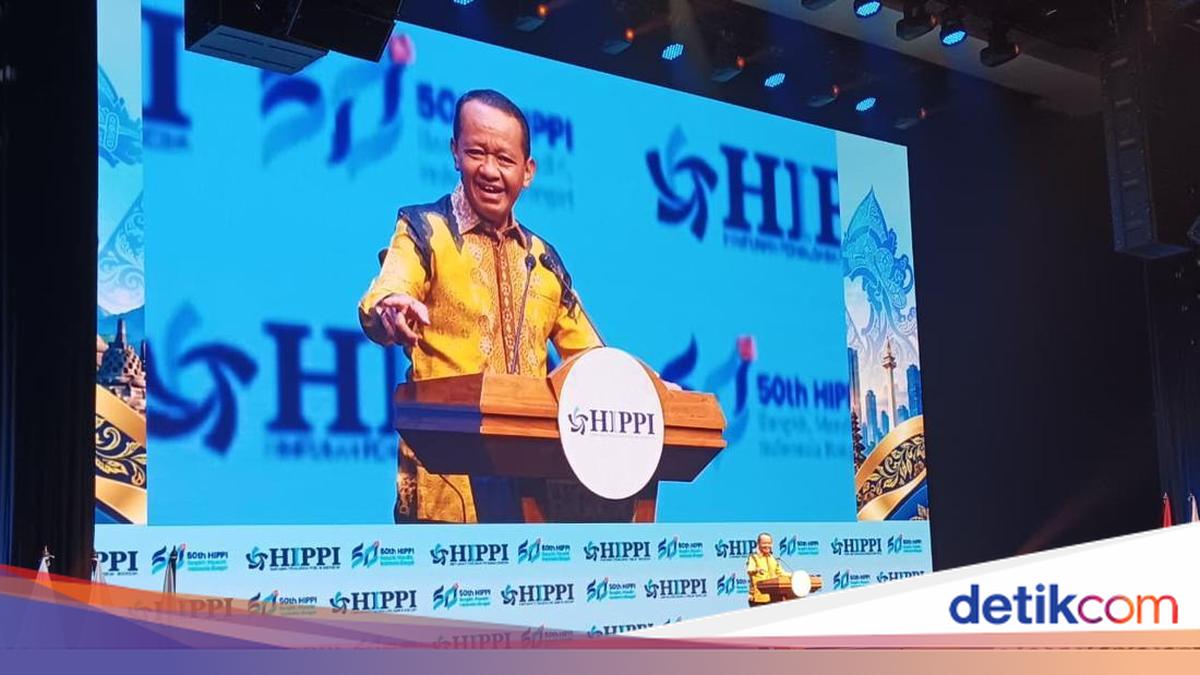
Coordinating Minister for Downstreaming and Energy Transition and Energy and Mineral Resources Minister Bahlil Lahadalia revealed this while attending the third national working meeting of HIPPI 2026 at the Djakarta Theater in Central Jakarta on Monday. Bahlil said he was even considering rejecting the company’s application to import diesel.
“Yesterday I read that KPC had applied again to import fuel. I wanted to cross it off—oh dear, a friend again. That’s the difficulty,” Bahlil said, as quoted by detikFinance on Tuesday (13 October 2026).
KPC is a subsidiary of PT Bumi Resources Tbk (BUMI), which is part of Bakrie Group. Bahlil made the remarks in front of Indonesian Chamber of Commerce and Industry (KADIN) chairman Anindya Bakrie, who is also a senior figure in Bakrie Group.
“So we no longer import diesel, that’s settled, except for Mr Anin’s company for mining. I wanted to cross it off—oh dear, this friend still doesn’t understand,” he said jokingly.
Fuel imports remain high
Apart from the diesel import issue, Bahlil said Indonesia still imports around one million barrels of fuel per day. Domestic crude oil production is only about 600,000 barrels per day, while consumption reaches 1.6 million barrels per day.
In contrast, domestic diesel demand is now said to be fully met through the B50 programme, which uses diesel blended with up to 50% palm oil. The programme has helped the government reduce its reliance on imported diesel.
“We no longer import diesel, because our total consumption is 39 million kilolitres. Of those 39 million kilolitres, we use palm oil for 50%,” Bahlil said.
He stressed that Indonesia needs to make the most of domestic energy sources, both fossil fuels and plant-based alternatives, to reduce dependence on supplies from abroad.
“How can we avoid being dependent on the world? Inevitably, we must optimise all the potential energy sources we have at home, whether fossil fuels by increasing lifting, or by developing alternative plant-based energy,” he added.
Government targets petrol blended with E50 ethanol
Alongside diesel, the government is promoting alternative fuels to reduce dependence on imported petrol. Bahlil said Indonesia consumes 40 million kilolitres of petrol, or gasoline, each year.
Domestic petrol production, meanwhile, is only around 18–19 million kilolitres a year. The shortfall must therefore be met through imports.
To address this, the government is promoting petrol blended with up to 50% ethanol, known as E50. Bahlil said the target was based on the success of the B50 programme.
“How can we resolve this? We want to promote ethanol, up to E50. We can learn from diesel, from B10 to B50. The feedstock—sugar cane, cassava and maize—can help create new centres of economic growth,” Bahlil concluded.