
Bahlil Says 11,000 Villages Lack Electricity as Government Targets Universal Access by 2030
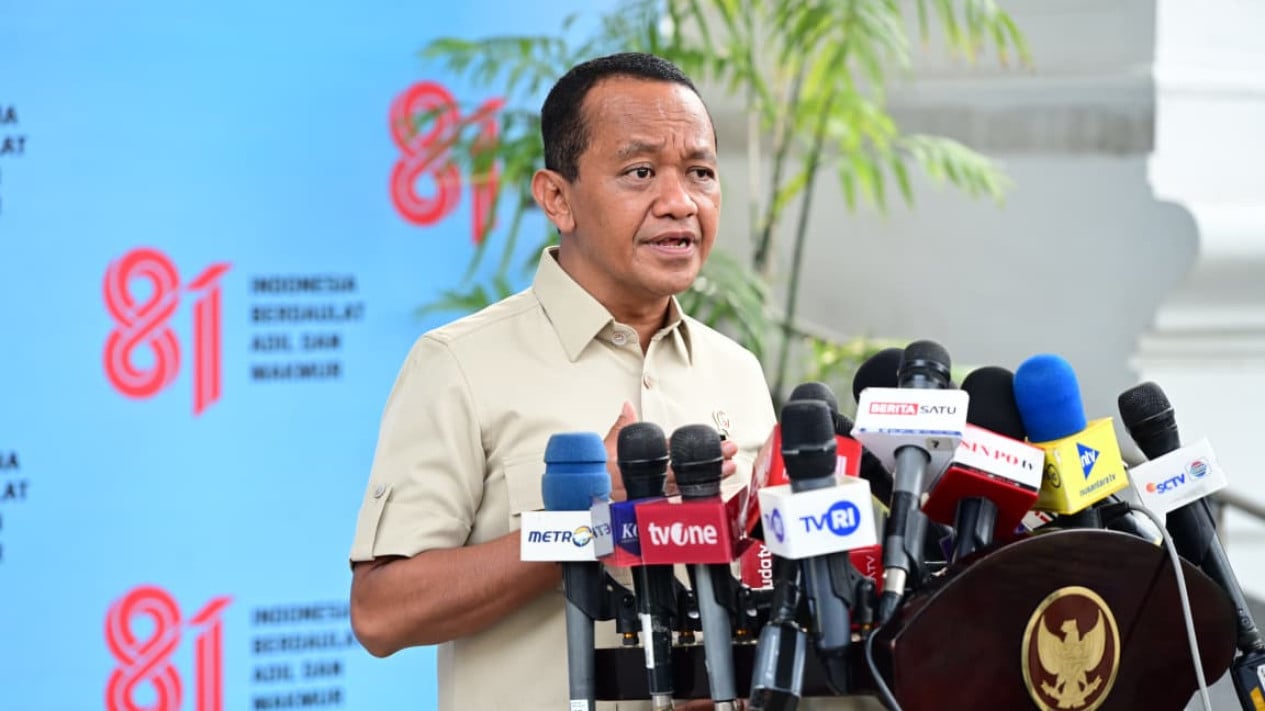
Jakarta, VIVA – Equitable access to electricity remains a challenge for the government, particularly in disadvantaged, frontier and outermost (3T) regions. Energy and Mineral Resources Minister Bahlil Lahadalia said around 11,000 villages had yet to receive electricity, and that the government aims to provide electricity to every village by 2029–2030.
Bahlil made the remarks while responding to recommendations from the Indonesian Christian Intellectuals Association (PIKI) at a PIKI symposium at the Grand Chapel, UPH Lippo Karawaci campus, recently. He said the government would use the recommendations as one of the foundations for energy-sector policy.
“God willing, I will remain committed and use this as a basis when formulating policy, while allocating Rp10–15 trillion each year for children in remote villages and small islands. They have the same right to receive electricity services from the state,” he said.
Bahlil said that, according to the figures he cited, 1,400 villages would gain access to electricity in 2025. The government is targeting 4,200 villages in 2026, and the same number in 2027. The electrification programme is expected to continue until every village has access to electricity by 2029–2030.
He also highlighted the situation of people in remote areas who still rely on oil lamps because they have no access to electricity.
“It is no exaggeration to say that electricity access in every 3T village must be achieved. I dream that electricity will enable children there to study and open up the wider world to them. They should have the same opportunities as people in city centres. True nationalism, in its purest form, still exists in Indonesia’s remote regions,” he added.
Other recommendations included accelerating the development of nuclear power plants. Tony Wenas, chair of the PIKI symposium’s steering committee and president director of Freeport Indonesia, said nuclear energy could be one option for meeting national energy needs.
“Our main idea is to promote nuclear power plants because they are low-emission, high-capacity, affordable, clean and safe. They could be particularly useful for supplying electricity to 3T regions. This would benefit the country by providing abundant energy at relatively low cost and with clean generation,” he said.
In response, Bahlil said the government had received offers of nuclear technology cooperation from several countries, including Russia, Germany, Japan, South Korea and Canada. He said the nuclear power capacity included in the Electricity Supply Business Plan (RUPTL), initially set at 500 megawatts (MW), had been increased to 1,500 MW in the first phase.
Source: jawawa.id (https://jawawa.id/newsitem/bahlil-says-11-000-villages-lack-electricity-as-government-targets-universal-access-by-2030-1792255817)
Originally published by VIVA.co.id (https://www.viva.co.id/bisnis/1936633-bahlil-sebut-11-ribu-desa-belum-berlistrik-pemerintah-bidik-pemerataan-hingga-2030), translated from Indonesian