
Bahlil Reveals Root Cause of Rolling Blackouts in Java
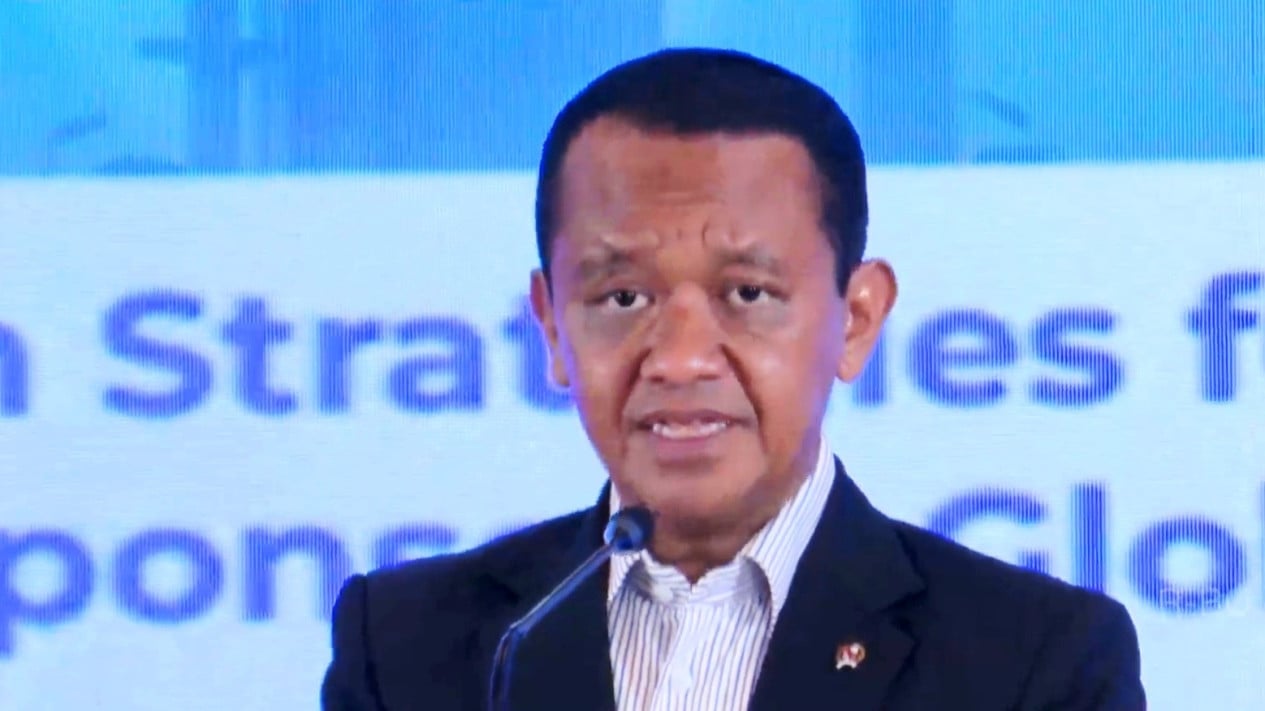
Energy and Mineral Resources Minister Bahlil Lahadalia has stated that coal quality is a primary factor affecting the stability of electricity supply from state-owned PT PLN. He acknowledged that this issue caused the rolling blackouts that recently occurred on the island of Java. “It turns out, upon checking, there is a medium-grade coal with a calorific value above 5,000 used for blending. This is what is needed for power plant operations,” Bahlil said in Jakarta on Thursday, 25 June 2026. With coal quality falling below PLN’s requirements, Bahlil explained that a larger volume of coal was needed to generate the required electricity. He detailed that PLN’s total annual coal requirement for its power plants is approximately 154 million metric tonnes. Under the domestic market obligation (DMO) rules imposed on exporters, PLN can secure a supply of up to 180-190 million metric tonnes. Bahlil said that 141 million metric tonnes of coal had already been received by PLN, but he received reports that coal supplies for electricity production were running low by June 2026. “This means from 1 January to June, out of 154 million minus 141 million, only 13 million remain. How can the coal run out in June? What kind of logic is this? Honestly, something is amiss here,” Bahlil stated. He argued that PLN should have been able to mitigate this issue before it impacted the public through the recent rolling blackouts. “If the government provides the DMO, the technical execution is up to the company, PLN. Don’t wait until the water is up to your neck before you shout,” he said. He assured that such an incident would not happen again and that the government is focused on meeting domestic electricity needs. “Following the President’s directive, we do not want this incident to repeat. We have temporarily halted some exports to prioritise domestic needs first,” he added. The government will also supervise PLN’s coal procurement process to prevent future supply disruptions that could threaten national energy security.