
Bahlil reveals Indonesia is developing CNG as an alternative to 3kg LPG
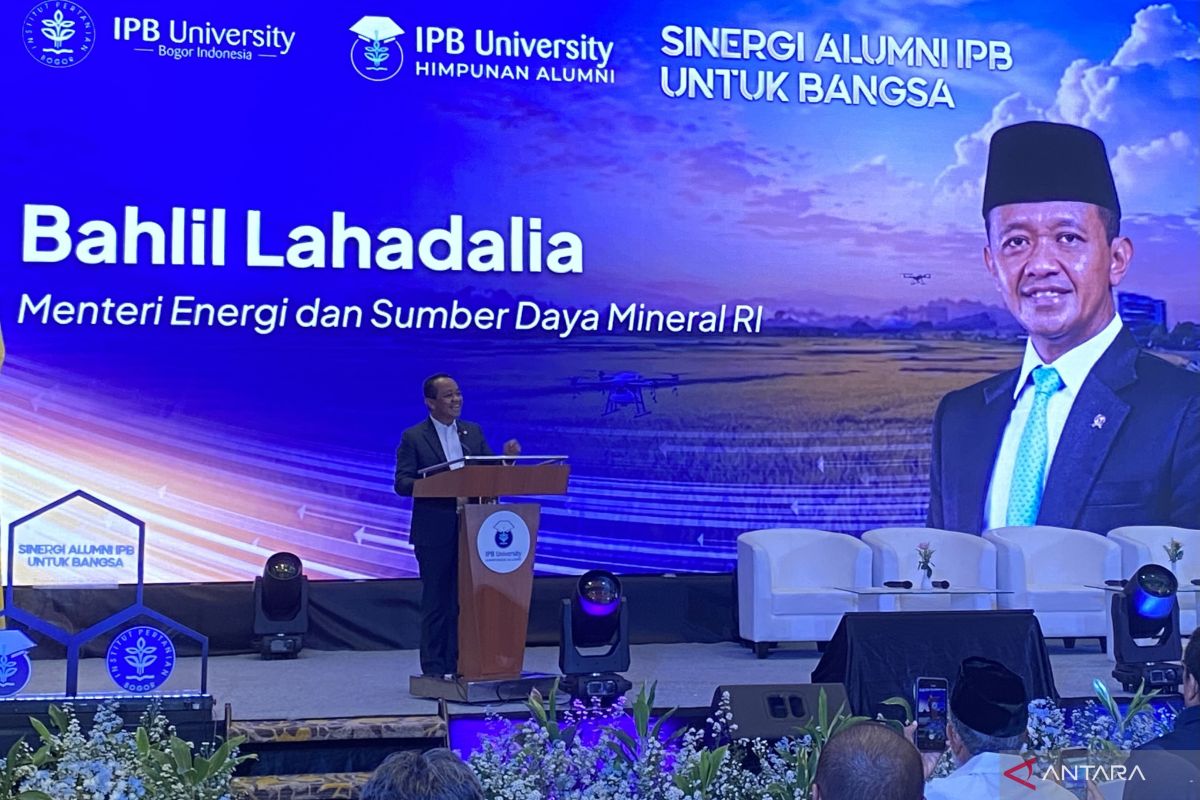
Jakarta (ANTARA) - The Minister of Energy and Mineral Resources (ESDM), Bahlil Lahadalia, has revealed that the government is developing compressed natural gas (CNG) in 3-kilogramme (kg) cylinders as an alternative replacement for 3kg liquefied petroleum gas (LPG). Bahlil stated that the use of CNG is currently implemented in several hotels, restaurants, and some kitchens under the Free Nutritious Meals (MBG) programme, with raw materials sourced domestically. The government is now preparing its development for household needs. “For the 3-kilogramme version, we are just about to produce it. And this is 30–40 per cent cheaper,” he said while attending an event of the IPB Alumni Association in Jakarta on Saturday. Nevertheless, Bahlil acknowledged that the development of CNG still faces several challenges. However, he stated that the government remains committed to promoting CNG development for energy efficiency and strengthening national energy independence. CNG, or compressed natural gas, is a gaseous fuel made by compressing natural gas, primarily containing C1 or methane and C2 or ethane. The gas is stored and distributed using high-pressure cylinders at around 200–250 bar (approximately 2,900 to 3,600 psi). CNG cylinders are designed to withstand high pressure levels, thus meeting safety aspects in the storage and distribution processes. The Ministry of ESDM records that national LPG consumption reaches 8.6 million tonnes per year. Of this figure, only 1.6–1.7 million tonnes are produced domestically, with the remainder fulfilled through imports. The Ministry of ESDM believes that developing CNG can be one of the solutions to strengthen national energy resilience amid global energy crisis dynamics, in addition to optimising oil and gas lifting, diversifying fuels such as the use of B50, and diversifying LPG.