
Bahlil Reveals B50 Programme Could Save Rp170 Trillion in Foreign Exchange and Absorb 2.1 Million Workers
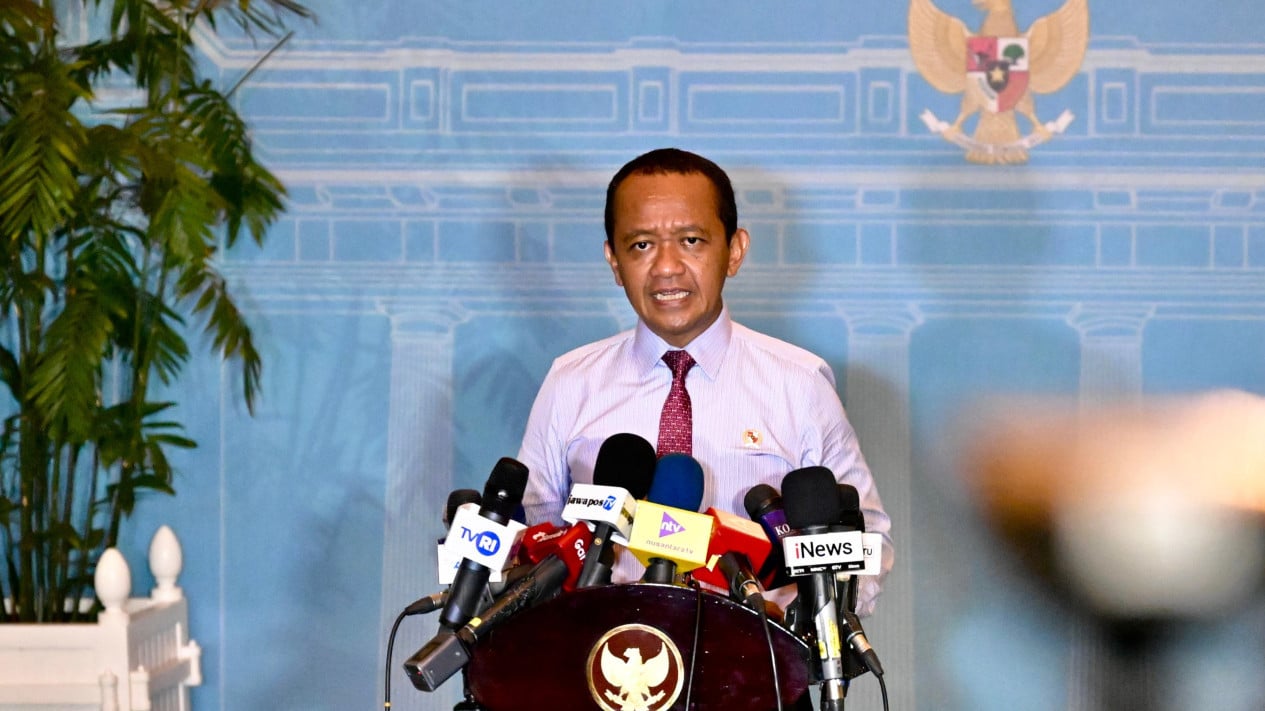
Energy and Mineral Resources Minister Bahlil Lahadalia stated that the implementation of the mandatory B50 biodiesel programme could save the state around Rp170 trillion in foreign exchange, as it reduces Indonesia’s need to import diesel.
“With the implementation of B50, it turns out, Mr President, (it saves) Rp170 trillion. So from B40 to B50, we can retain Rp170 trillion of our foreign exchange,” said Bahlil during the launch of the Mandatory B50 Biodiesel Programme at the Rest Area KM 57, Karawang Regency, West Java, on Thursday, 9 July 2026.
The figure represents an increase from the mandatory B40 policy, which saved foreign exchange amounting to Rp133.3 trillion.
Beyond saving foreign exchange, the B50 programme is estimated to increase the added value of crude palm oil (CPO) from Rp20.92 trillion to around Rp23.49 trillion, absorb approximately 2.1 million workers, and reduce greenhouse gas emissions by up to 44.46 million tonnes of CO2 in 2026.
“With the implementation of B50, thank God, we will no longer import diesel products into our country. And this is the first time,” said Bahlil.
President Prabowo Subianto officially launched the Mandatory B50 Biodiesel Programme at the Rest Area KM 57, Karawang Regency, West Java, on Thursday.
The legal basis for the programme is Minister of Energy and Mineral Resources Regulation Number 4 of 2025 on the Enterprise and Utilisation of Biofuels, along with Ministerial Decree Number 257.K/EK.01/MEM.E/2026 on the Obligation to Blend Biodiesel-Type Biofuel with Diesel Fuel at 50 per cent.
The B50 programme mandates a 50 per cent blending of biodiesel into diesel-type fuel oil. In its implementation, biofuel business entities, fuel oil business entities, and distribution business entities are required to apply standards and quality in accordance with the established specifications.
This policy forms part of the government’s strategic agenda to reduce dependence on imported fuel, strengthen the added value of national natural resources, and safeguard Indonesia’s economic and energy resilience.