
Bahlil Reaffirms Oil and Gas DHE Rules Will Not Change, Remain at 30 Percent
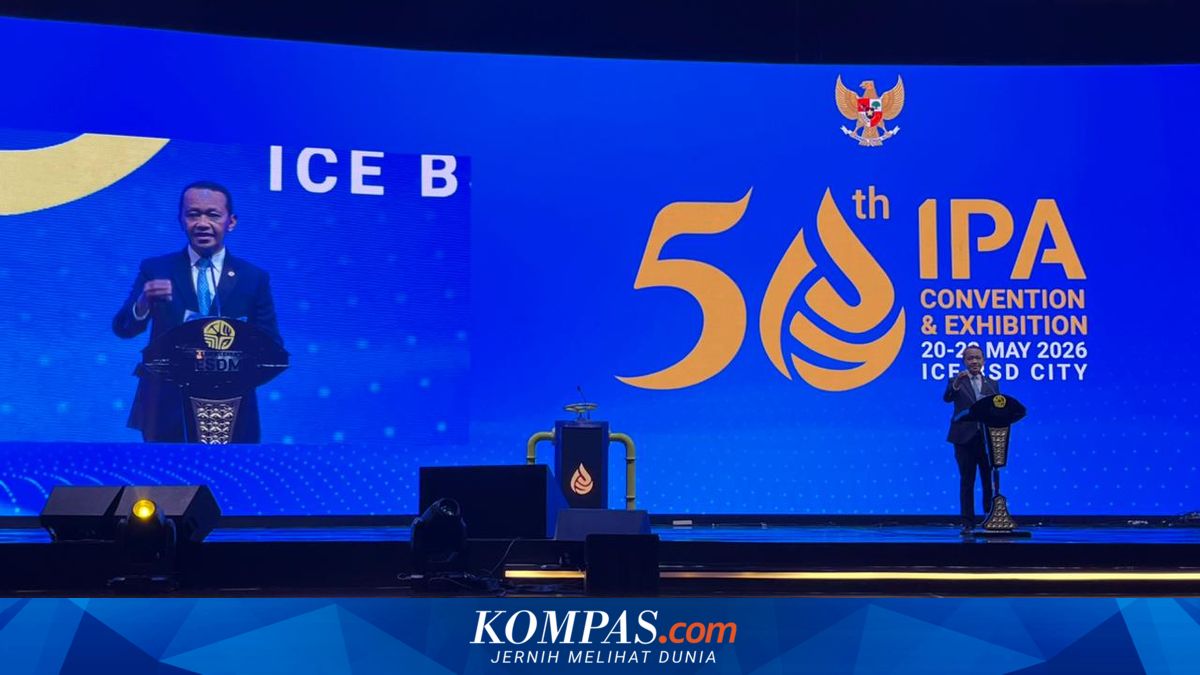
Jakarta — Energy and Mineral Resources Minister Bahlil Lahadalia has assured that the foreign exchange earnings (DHE) rules for the oil and gas sector will not change. The rule currently requires that 30 percent of oil and gas DHE be retained domestically for a minimum of three months. ‘The DHE can be used as it is now. So just go ahead, there is no need to worry,’ Bahlil said at IPA Convex 2026 at ICE BSD in Tangerang on Wednesday (20 May 2026). The DHE provision is set out in Government Regulation No. 8 of 2025. The government will publish a new regulation governing the placement of natural-resource DHE, which will take effect on 1 June 2026. Bahlil also emphasised that DHE for oil and gas commodities will not be affected by the forthcoming policy. In his view, the policy was established as the government did not find any fraudulent practices in selling oil and gas overseas. The long-term contracts, spanning decades, that have been applied in the oil and gas sector also reduce the risk of mispricing such as transfer pricing or under-invoicing. Moreover, a large portion of oil and gas sector investment is financed through foreign loans, meaning players require foreign exchange to service their obligations. Not only regarding DHE, but oil and gas products are also exempt from the single-window export policy through the newly formed state-owned enterprise. The government has announced that exports will go through the new Danantara Indonesia entity, PT Danantara Sumberdaya Indonesia (DSI). Bahlil said the single-window export policy will be regulated via a Government Regulation (PP); however, he confirmed that this rule will not apply to exports of upstream oil and gas commodities. According to him, these policies were drafted in response to inputs from oil and gas companies or KKKS (Kontraktor Kontrak Kerja Sama), while providing regulatory certainty for Indonesia’s oil and gas sector. ‘So this is to respond to several inputs from KKKS to me, and at the same time to guarantee the regulatory certainty that exists in our country, especially in the oil and gas sector,’ concluded Bahlil.