
Bahlil Pushes for Higher-Value Exports Through Natural Resource Downstreaming
The government is promoting higher-value exports through the downstreaming and industrialisation of Indonesia’s natural resources. Downstreaming is key to increasing the value of the country’s natural resources while strengthening national economic self-reliance.
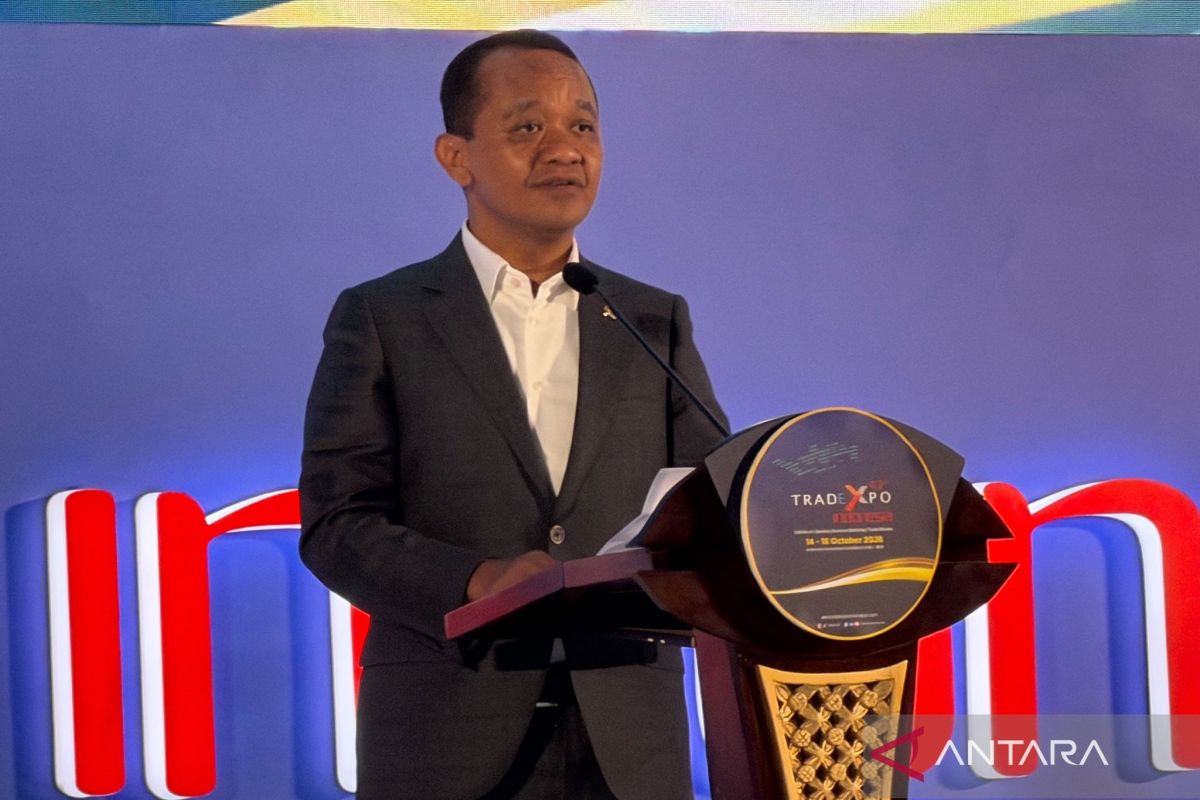
Banten (ANTARA) – Coordinating Minister for Downstreaming and Investment and Energy and Mineral Resources Minister Bahlil Lahadalia has called for higher-value exports through the downstreaming and industrialisation of natural resources (SDA), to strengthen national economic self-reliance.
Bahlil said optimising the management of natural resources was a strategic step towards making Indonesia a developed country and ensuring national wealth benefits people’s welfare.
“The government is promoting higher-value exports through the downstreaming and industrialisation of Indonesia’s natural resources. Downstreaming is key to increasing the value of Indonesia’s natural resources while strengthening national economic self-reliance,” Bahlil said at the opening of Trade Expo Indonesia (TEI) 2026 at ICE BSD in Tangerang Regency, Banten, on Wednesday.
Alongside strengthening downstreaming, Bahlil stressed the importance of expanding access for Indonesian products to international markets, particularly in Africa, Latin America, South Asia and Eastern Europe.
He said this broader market access should be supported by free trade agreements (FTAs) so Indonesian products could become more competitive globally.
Bahlil emphasised that every international trade agreement must deliver tangible benefits to the public and not stop at the signing of a memorandum of understanding.
“Every international trade agreement must be concrete and have a direct impact on the people. Don’t just sign MoUs; they must be implemented,” he said.
He also urged exporters to make the most of free trade agreements already in force. To support this, the government should ensure export procedures are simpler and do not obstruct businesses.
In addition to simplifying procedures, Bahlil said affordable access to export financing and insurance was important for increasing national exports.
The government should also step up the promotion of Indonesian products in international markets, including by opening promotional centres in export destination countries.
Bahlil also highlighted the importance of empowering micro, small and medium-sized enterprises (MSMEs) and cooperatives so they can be integrated into global value chains. This effort should be supported by improving businesses’ access to digital services and finance.
He added that national economic policy should aim to create as many jobs as possible, increase people’s incomes, strengthen domestic consumption and ensure the benefits of development reach the regions.
“Ultimately, a self-reliant economic strategy aims to build an economy that is strong, independent, inclusive and competitive. We want to ensure that the nation’s wealth becomes a force for Indonesia’s progress and benefits all the people as much as possible,” Bahlil added.