
Bahlil Proposes Differentiated Taxes for Petrol and Electric Vehicles, Here is the Reason
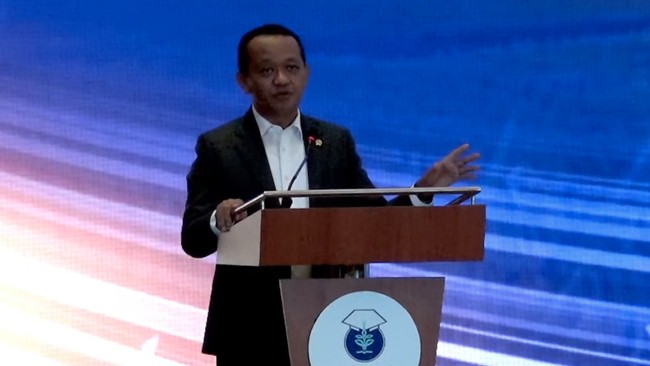
Jakarta, CNBC Indonesia - The Minister of Energy and Mineral Resources (ESDM), Bahlil Lahadalia, has proposed differentiating tax treatments between vehicles based on petroleum fuels (BBM) and electric vehicles (Electric Vehicle/EV). This aligns with the programme to migrate from fossil energy use to clean energy.
Bahlil stated that this fiscal policy discourse could encourage public interest in switching to environmentally friendly transportation. According to him, the differentiation in tax rates is due to electric vehicles providing significant contributions to reducing the national crude oil import burden.
“Perhaps in the future, we need to create a policy where vehicles using petrol might have different tax treatments from those using electricity because they are cheaper, environmentally friendly, and we do not import BBM,” he said at the IPB Alumni Synergy for the Nation event on Saturday (2/4/2026).
Bahlil explained that efficiency is the main reason behind the proposal. Besides much lower operational costs for consumers, the use of electric vehicles is seen to help the country maintain fiscal resilience due to the reduction in energy subsidies that have burdened the state budget.
“Because it is cheaper. Then we convert some cars to electric cars and electric motorcycles,” said Bahlil.
In addition, the government is also continuously seeking the right formulation to ensure national energy resilience amid global geopolitical uncertainties. This tax differentiation discourse is expected to become an effective instrument in changing public energy consumption patterns from fossil fuels to new renewable energy.
“All countries are seeking their own formulations. All countries are seeking their own paths to salvation,” said Bahlil.
New Regulations on Taxes for Electric Cars and Motorcycles
For information, the Ministry of Home Affairs has recently issued new regulations that will impose taxes on electric vehicles in Indonesia. The regulation is Minister of Home Affairs Regulation Number 11 of 2026 concerning the Basis for Imposition of Motor Vehicle Tax, BBNKB, and Heavy Equipment Tax.
In this new regulation, electric vehicles are not mentioned as objects exempted from PKB and BBNKB. Thus, battery-based cars or electric vehicles can be subject to Motor Vehicle Tax (PKB) and Motor Vehicle Ownership Transfer Fee (BBNKB).
In Article 3 paragraph (3), it only details the types of vehicles exempted from PKB objects, such as trains; motor vehicles solely used for national defence and security purposes; motor vehicles of embassies, consulates, foreign state representatives on a reciprocal basis, and international institutions granted tax exemptions by the government; renewable energy motor vehicles; and other motor vehicles designated by regional regulations on local taxes and levies.
Meanwhile, in the previous regulation, Minister of Home Affairs Regulation No. 7 of 2025 concerning the Basis for Imposition of Motor Vehicle Tax, BBNKB, and Heavy Equipment Tax for 2025, electric vehicles were specifically stated to be exempted from PKB and BBNKB objects.
In the old regulation, it was clear that motor vehicles based on renewable energy, including electric, biogas, and solar-powered vehicles, as well as motor vehicles converted from fossil fuels to renewable energy-based ones, were exempted from PKB and BBNKB objects.
Jakarta Prepares Fiscal Incentives
The Jakarta Regional Revenue Agency (Bapenda) acknowledges that Battery-Based Electric Motor Vehicles (KBLBB) are no longer automatically exempted from local taxes following the new regulation from the Minister of Home Affairs.
This change brings consequences where every transfer, ownership, and/or control of Battery-Based Electric Vehicles is now subject to PKB and BBNKB. The DKI Jakarta Provincial Government through the Jakarta Provincial Revenue Agency is preparing regulations to anticipate the implementation of this Minister of Home Affairs Regulation in Jakarta.
The DKI Jakarta Provincial Government understands that the public has contributed to supporting the clean energy transition through the use of electric vehicles.
“Therefore, although there is a policy adjustment at the national level, the local government is committed to prioritising public interests and ensuring that electric vehicles remain an affordable choice,” said Bapenda.
Bapenda stated that the DKI Jakarta Provincial Government is preparing an optimal fiscal incentive scheme, utilising the policy space provided in the latest Minister of Home Affairs Regulation. These incentives are designed to reduce the tax burden borne by the public, without conflicting with applicable legal provisions.
This step reflects a balanced approach between compliance with national regulations and protection of public purchasing power.
“The DKI Jakarta Provincial Government not only acts as a policy implementer but also as a facilitator ensuring that the public continues to receive tangible benefits,” Bapenda wrote in its official statement.
In addition, the designed incentive policy also aligns with Jakarta’s vision as a sustainable city. The use of electric vehicles remains a priority in efforts to reduce emissions and improve air quality in Jakarta.
According to Bapenda, the DKI Jakarta Provincial Government wants to ensure that this regulatory change does not reduce public interest in electric vehicles. On the contrary, with targeted incentives, it is hoped that the electric vehicle ecosystem in Jakarta will continue to grow positively.
“With a spirit of serving and protecting, the DKI Jakarta Provincial Government reaffirms its commitment to remaining pro-public. Every policy taken is not only oriented towards regulatory compliance but also towards sustainability, fairness, and the welfare of the Jakarta people,” explained Bapenda.