
Bahlil Opens Possibility of Adjusting B50 Mandate If Technical Tests Encounter Obstacles
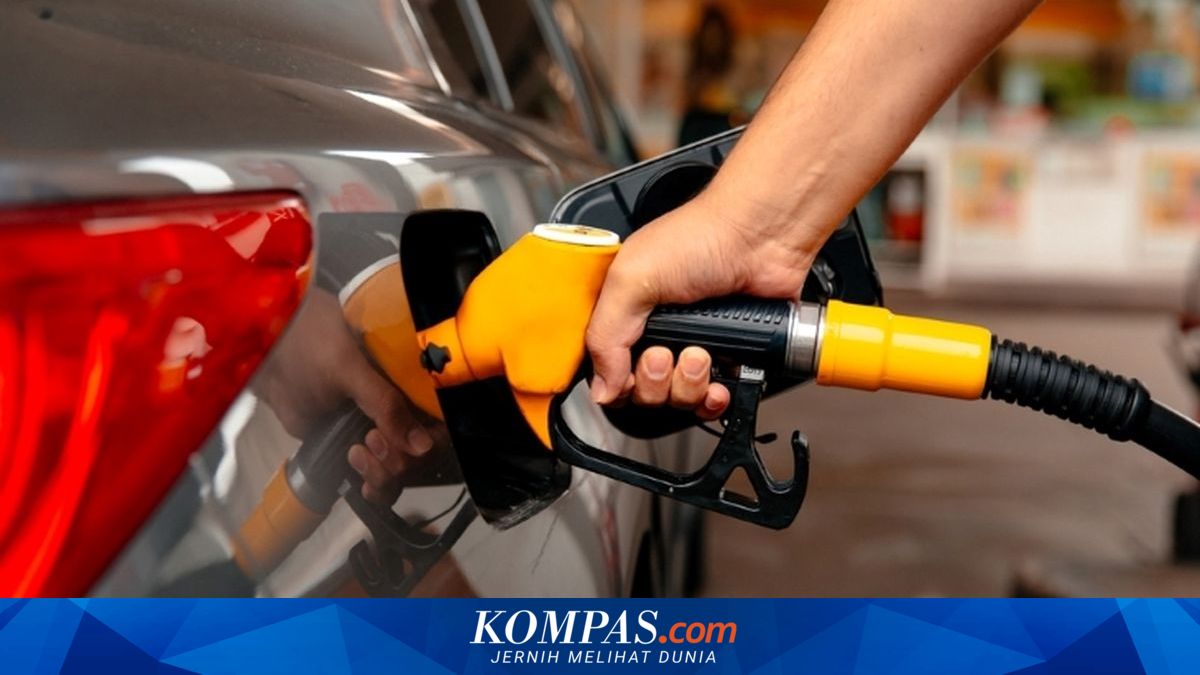
JAKARTA - The Minister of Energy and Mineral Resources (ESDM), Bahlil Lahadalia, stated that the implementation of the B50 mandate is still targeted to begin on 1 July 2026, as long as the ongoing trial process does not encounter obstacles.
He explained that the B50 programme is now entering the final testing phase in various transportation and operational equipment sectors.
“B50 will start implementation on 1 July and we have been conducting continuous tests,” Bahlil said at the Ministry of ESDM in Jakarta on Monday (11/5/2026).
He detailed that the government is still conducting tests on ships, heavy equipment, and even trains.
These tests are being carried out to ensure that the fuel resulting from a 50% diesel and 50% palm oil blend can be used optimally without disrupting engine performance.
“Pray that we agree on implementation on 1 July as scheduled, pray that the tests go well. Now we’re testing on ships, some heavy equipment, and trains. Hopefully, there are no issues,” he said.
“But if during the trials the engines don’t quite fit, we will make adjustments,” he added.
Previously, the Director General of New, Renewable Energy, and Energy Conservation (EBTKE) at the Ministry of ESDM, Eniya Listiani Dewi, stated that trials for B50 implementation have been underway since December 2025, with the railway sector starting last.
“So since 9 December (2025), we have begun the entire series of implementation trials in automotive, mining, agricultural equipment, shipping trials, genset trials, and the latest is the railway trials, because we had to wait until after Eid,” she said in a written statement on Monday (27/4/2026).
For the results of B50 testing on trains, Eniya hopes they will be as good as the B50 trials in the automotive sector, and will await a detailed report from PT KAI on the filter condition and when filter replacements are needed.
“So for railways, the train engines are slow, categorised as low-speed engines, while automotive has the highest speed engines. That can be assured to work for trains. Now we’ll see what the filters are like in railways,” she explained.