
Bahlil: Non-Subsidised Fuel Prices Follow Market Mechanism
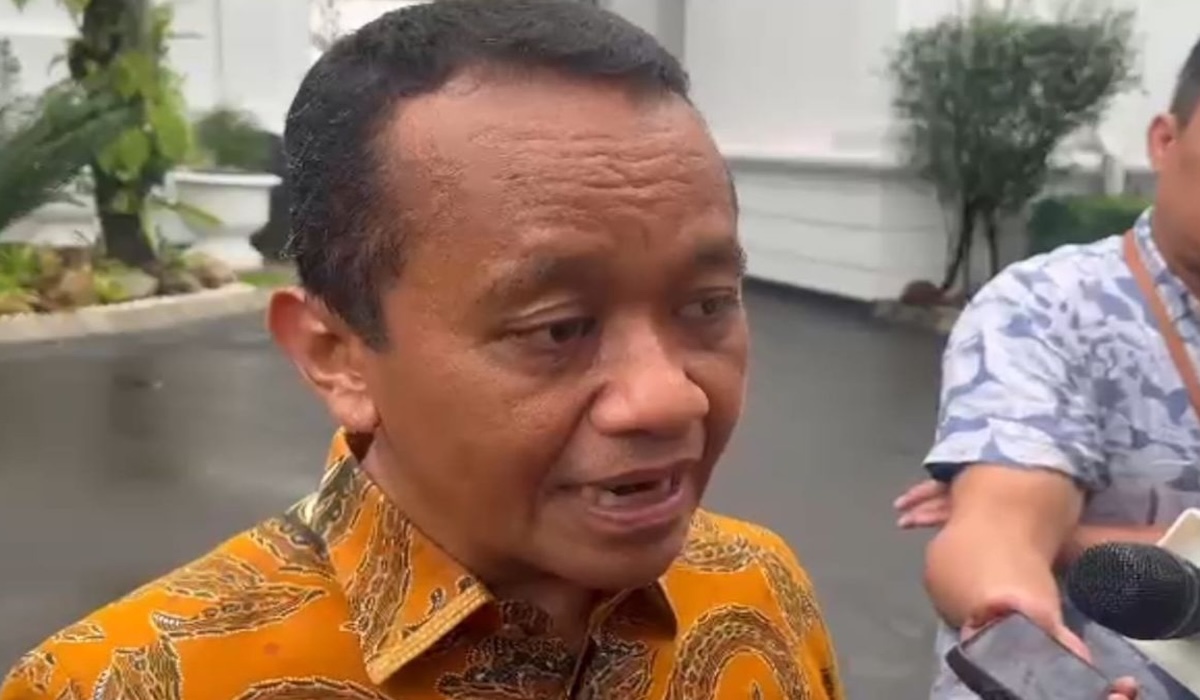
Minister of Energy and Mineral Resources Bahlil Lahadalia has stated that global oil and gas price dynamics remain highly volatile due to uncertain geopolitical conditions. Despite this, the government has guaranteed that prices for subsidised fuel and LPG will not increase.
Speaking during a working meeting with Commission XII of the House of Representatives (DPR) at the Parliament Complex in Senayan, Jakarta, on Monday (15/6), Bahlil explained that global oil price movements are difficult to predict precisely because of rapidly changing external factors. “Prices can rise quickly and fall just as fast. Finding a stable average still requires a lengthy adjustment period,” he said.
Bahlil stressed that non-subsidised fuel prices will continue to follow market mechanisms in accordance with Minister of Energy and Mineral Resources Regulation No. 11 of 2022. However, for lower-middle income groups, the government remains committed to maintaining price stability. “Amidst global oil price dynamics, the government has agreed, under the President’s directive, not to raise subsidised fuel prices, including LPG,” he asserted.
Brent crude oil prices reportedly fell 3.9 percent to US$84 per barrel, while WTI dropped 4.8 percent to US$81 per barrel, following the announcement of a preliminary agreement between the United States and Iran regarding the opening of the Strait of Hormuz.
Responding to this, Commission XII member Syarif Fasha from the NasDem Party urged the government to be flexible. He called for an immediate reduction in non-subsidised fuel prices if the downward trend in global oil prices continues to the US$70 per barrel level. “If it reaches US$70, we should lower the non-subsidised prices. The previously increased prices should not be maintained at current levels,” Fasha said.
The decline in global oil prices on Sunday (14/6) was triggered by US President Donald Trump’s claim of reaching an agreement with Iran. The deal includes ending the naval blockade of the Strait of Hormuz, a critical global energy shipping route. The Memorandum of Agreement is scheduled to be formally signed next Friday in Switzerland.