
Bahlil: Export Governance Regulation Won't Disrupt Coal Export Contracts Through 2026
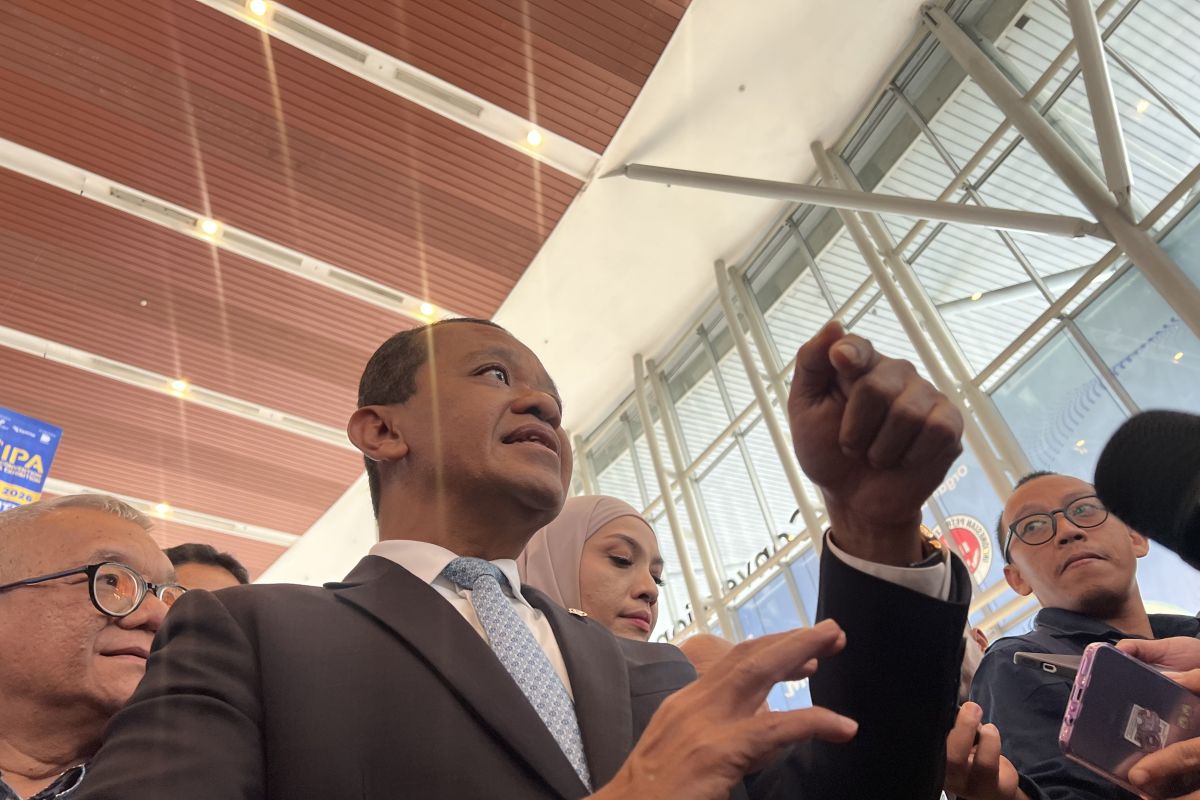
Tangerang, Banten — Minister of Energy and Mineral Resources (ESDM) Bahlil Lahadalia said the Government Regulation (PP) on the Tata Kelola Ekspor Komoditas Sumber Daya Alam (SDA) will not disrupt coal export contracts until the end of 2026. ‘There is nothing to worry about. Surely there are contracts that have already been in place for a year. Just proceed. That PP on SDA Export Governance does not mean that from now on you must sell to Danantara,’ he said during IPA Convex in Tangerang, Banten, on Wednesday.
He noted that with the PP on SDA export governance, there is no automatic requirement for coal companies to sell their commodities through an SOE designated by Danantara. There is a transition period for implementing the regulation. Starting this year, exporting companies will undertake a transition with the designated state-owned enterprises. After the SOE is designated, exporters will undertake consolidation and reconciliation of their transactions.
Therefore, until the end of 2026, coal and ferro alloy exporters need only coordinate with the SOE designated by Danantara. ‘The market can operate, but data must be synchronised and communicated with the Danantara-designated company,’ Bahlil said.
In the same event, Bahlil emphasised that the first phase of implementing the PP on SDA export governance applies only to coal, ferro alloy and palm oil. The objective of the policy, he added, is to eradicate under-invoicing, transfer pricing and foreign exchange leakage from exports. ‘Be assured that there will be no more issues of under-invoicing, under-pricing or transfer pricing.’
President Prabowo Subianto, addressing the DPR in Jakarta on Wednesday, announced that the government has issued the Government Regulation on SDA exports governance. The regulation provides that SOEs will become the sole exporters for palm oil, coal and ferro alloy. The president said the aim is to prevent and eradicate illegal practices in Indonesia’s natural resource export governance, strengthen monitoring and oversight, and maximise tax and state revenue from the management and sale of natural resources.