
Bahlil Explains Reasons for Importing Bioethanol from the US, and Talks About Specifications
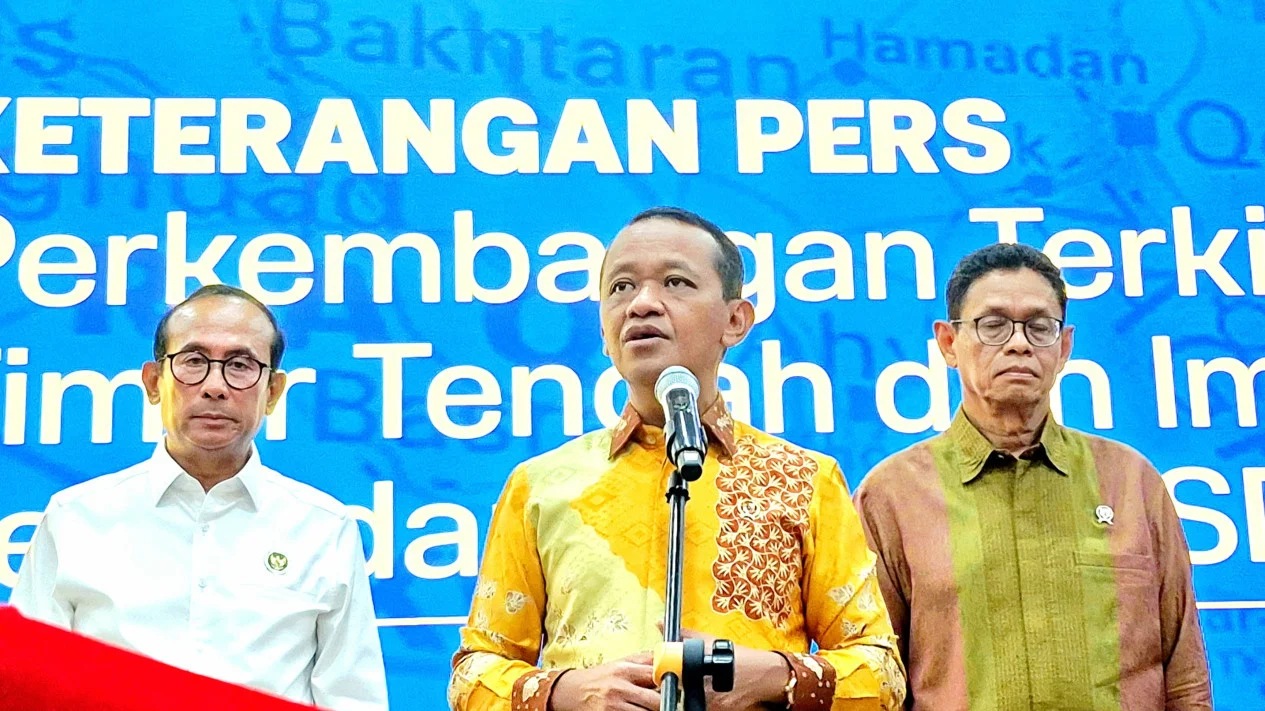
Jakarta, VIVA – The Energy and Mineral Resources Minister, Bahlil Lahadalia, explained the reasons behind Indonesia’s plan to import bioethanol from the United States (US). He said the imports are intended to bridge the gap between domestic demand and production of bioethanol. ‘For this ethanol import, if our needs and production are short, for example if production is 10 and our need is 20, the 10 can be imported, one source being America,’ Bahlil said at the Ministry of Energy and Mineral Resources in Jakarta on Tuesday, 3 March 2026. He explained that the bioethanol specifications from the US must have an ethanol content of 99.9 percent. The aim is to avoid controversy, as the imported bioethanol will be used for fuel (BBM), cosmetics, and industrial materials. For the bioethanol intended for uses other than for fuel blends, Bahlil handed it over to the relevant factories to determine the specifications. ‘And that depends on the factory specifications and what industry needs they will use it for,’ he added. It is known that previously the government opened up opportunities to import ethanol, including from the US, as part of clean energy development, such as the gradual implementation of mandatory blending of bioethanol. This programme is planned to commence with E5 in 2028 and E10 in 2030, and aimed towards E20, taking into account production readiness, distribution, and supportive infrastructure. To support the transition period, the government opened space for trade cooperation with various partners, including the United States, in a proportionate and measured manner according to domestic needs. The policy is accompanied by efforts to strengthen domestic production capacity so that the national bioethanol industry can grow sustainably. Overall, the implementation of the Agreement of Reciprocal Trade (ART) in the energy and mineral resources sector is designed to proceed gradually, measurably, and in line with national interests. (Ant).