
Bahlil: E20 Bioethanol Policy to be Implemented to Slash Petrol Imports
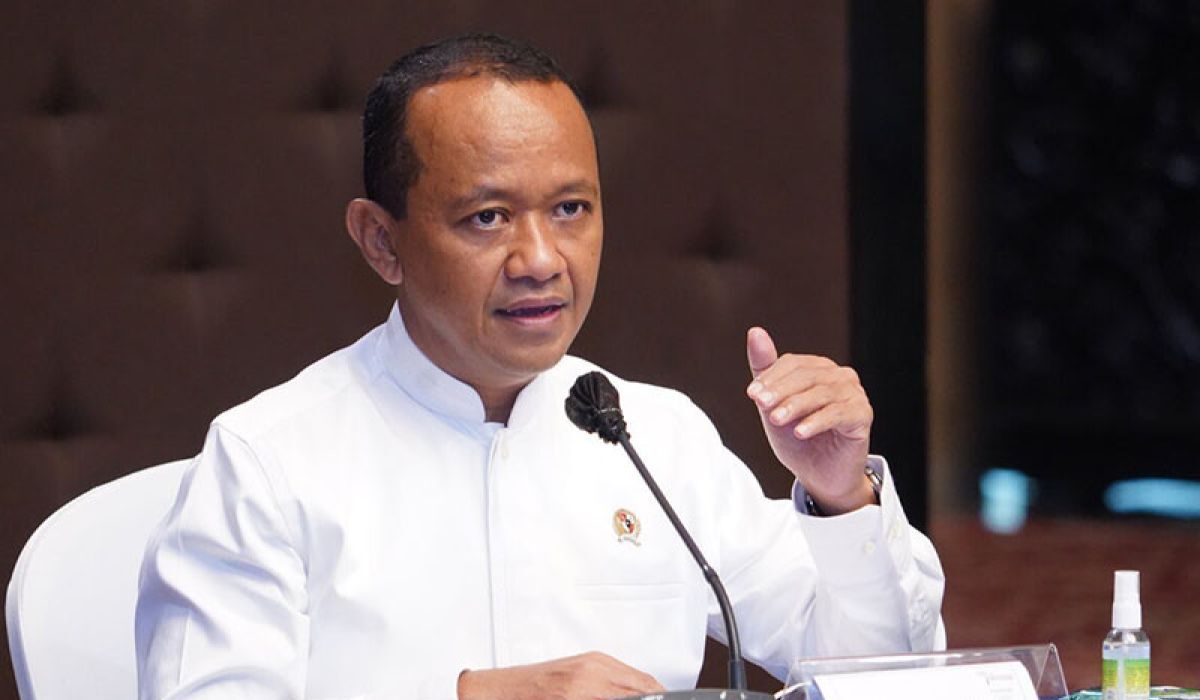
Energy and Mineral Resources (ESDM) Minister Bahlil Lahadalia has stated that the government is seeking to implement a bioethanol policy, known as E20, to reduce petrol imports. The measure is part of energy conversion efforts to curb dependence on imported supplies.
“We must convert to reduce imports. If B50 can meet our needs, why not petrol,” Bahlil said in Jakarta on Thursday (25/6), during a speech at the Indef 2026 Mid-Year Review National Seminar.
According to Bahlil, national petrol demand currently stands at 40 million kilolitres. Meanwhile, domestic production is only around 20 million kilolitres, leaving a shortfall of approximately 20 million kilolitres that must be met through imports.
Bahlil believes petrol imports must be minimised to avoid adding to the state’s burden. Although domestic crude oil production, or lifting, cannot yet fully meet demand, the government continues to push several measures to reduce import dependency.
Bahlil said the implementation of E20 bioethanol must begin in the 2028-2029 period. He compared the policy to the adoption of B50, which is considered helpful in reducing imports.
“From 20 million kilolitres of petrol, once we implement E20, that leaves 16 million. We just need to push how to increase lifting to produce petrol,” he stated.
He added that several countries have already used bioethanol to reduce dependence on oil. Bahlil cited the United States, Brazil, and several other nations as examples of implementing similar policies.
“America, Brazil, and several other countries have already implemented it. What is the goal? So that we can reduce imports and prevent our foreign exchange from flowing out,” he said.
In addition to promoting the E20 mandate, Bahlil conveyed that the government is also working to increase domestic crude oil production. He outlined three approaches to be taken to boost oil lifting.
The ESDM Ministry, according to Bahlil, will encourage the use of technology to increase production. Furthermore, Plans of Development (PoD) that were previously stalled will be revived to contribute to national oil production.
Bahlil also stated that exploration is a crucial step to increase crude oil reserves. The government, he said, needs to reopen exploration potential so that production can be increased in the long term.
“We have no choice but to conduct exploration. We have around 120 potential wells that are currently undergoing exploration tenders,” he said.
Through a combination of implementing E20, increasing lifting, utilising technology, reactivating PoDs, and exploration, the government hopes to reduce petrol imports and prevent the continued outflow of foreign exchange to meet national energy needs.