
Bahlil Considers Nickel Smelter Moratorium, Here is the Reason
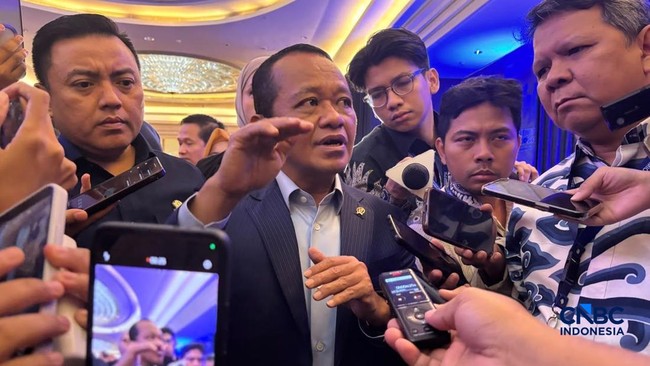
The government is exploring the option of a moratorium or restriction on the construction of nickel smelting and processing facilities that continue to produce only semi-finished products. This consideration comes in light of the global nickel oversupply, which has led to a sharp decline in world nickel prices.
Bahlil Lahadalia, the Coordinating Minister for Downstreaming and Energy Transition, as well as the Minister of Energy and Mineral Resources, revealed that most nickel smelters currently operating are limited to producing semi-finished materials at a rate of approximately 50-60%. He noted that current supply levels have exceeded market demand by up to 2.5 million tonnes, directly impacting the drop in nickel prices on the international market.
“This is an oversupply, which is why prices are falling. We may consider minimising industries that produce semi-finished goods, or perhaps even implementing a moratorium, while we push for industries that produce direct downstream products,” he stated during the Investor Daily Summit 2026 in Jakarta.
Bahlil emphasised that the government will regulate national production volumes to ensure that Indonesia’s mining commodities are not sold cheaply while the market is saturated. Although theoretical installed smelter capacity is high, real operational levels in the field will be adjusted in a measurable manner according to global supply and demand dynamics.
“Even if the installed capacity is, for example, 10, the actual production might not reach 10 as long as oversupply persists. That is what we will regulate. If we continue to follow smelter demand, our prices will certainly fall,” he added.
In addition to maintaining price stability and optimising state revenue, this production control is also aimed at ensuring the sustainability of national natural resources. Bahlil reminded that mineral commodities such as nickel are finite and cannot regenerate like the agricultural or plantation sectors.
“If prices are plummeting, we should not flood the market, otherwise our goods will be cheap. We do not want our goods to be sold cheaply. Unlike agriculture, nickel and coal, once extracted, cannot regrow. Therefore, please help us ensure this is sustainable for the future of the nation,” he concluded.