
Bahlil Asserts Gross Split Scheme Will Not Be Applied to Mineral and Coal Sector
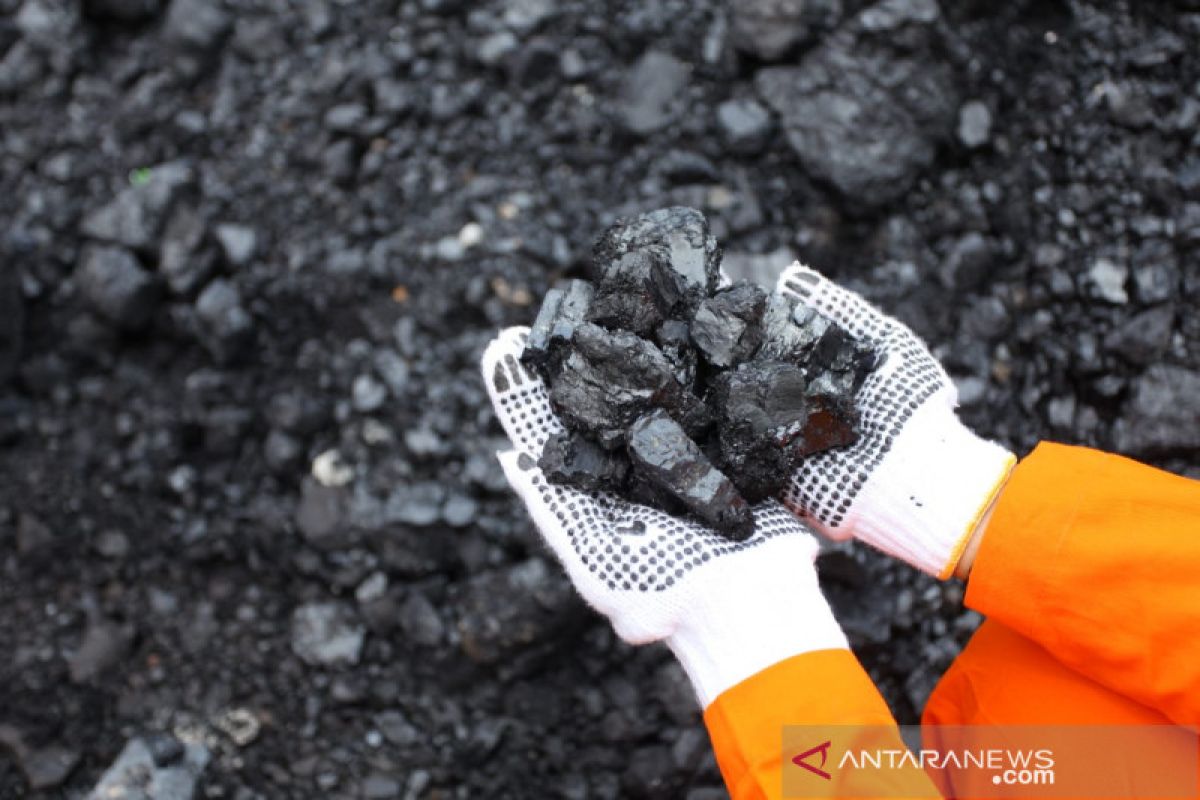
The Minister of Energy and Mineral Resources (ESDM), Bahlil Lahadalia, has emphasised that the gross split scheme will not be applied to the mineral and coal (minerba) sector. Simultaneously, the government intends to implement a more flexible Work Plan and Budget (RKAB) policy, adjusted to meet industrial needs. Bahlil stated that there will be no regulatory changes for mineral and coal business actors, explaining that the gross split scheme is currently utilised in the oil and gas industry.
“Meanwhile, in the mineral and coal sector, there is no change at all,” Bahlil said during an online press conference on Monday. He asserted that current regulations will be maintained, noting that providing regulatory certainty is the government’s responsibility to preserve investor trust and ensure the sustainability of investment in the mining sector.
In addition to guaranteeing regulatory certainty, the government will also ensure the availability of domestic raw materials to support downstreaming programmes. Bahlil believes that all natural resources originating from Indonesia must be able to meet national industrial needs so that invested capital can operate optimally. Furthermore, the Ministry of ESDM will draft the Work Plan and Budget (RKSB) based on industrial requirements and available production capacity. Bahlil noted that the balance between industrial needs and the production volume approved in the RKAB is a crucial factor in maintaining business continuity.
Regarding other commodities, including coal, the government will continue to monitor global geopolitical developments, particularly tensions in the Middle East, which could potentially affect global commodity prices. Bahlil assessed that favourable price conditions should be utilised to increase production, benefiting businesses, the state, and the public. Consequently, the government is opening opportunities for measured production relaxation, considering market dynamics. When commodity prices are high, production can be increased; conversely, if prices weaken, the government will take steps to maintain the balance of supply and demand.
Furthermore, Bahlil ensured there would be no changes to the rules for mining companies currently in operation, and that existing policies will apply to future players in the sector. However, he reminded that the Mineral and Coal Law provides priority to micro, small, and medium enterprises (MSMEs) and several strategic sectors that support downstreaming and domestic value addition.
Bahlil expressed hope that this official clarification would end various speculations and inaccurate information regarding the policy direction of the mineral and coal sector.