
Bahlil Announces Indonesia No Longer Imports Diesel Due to B50 Policy
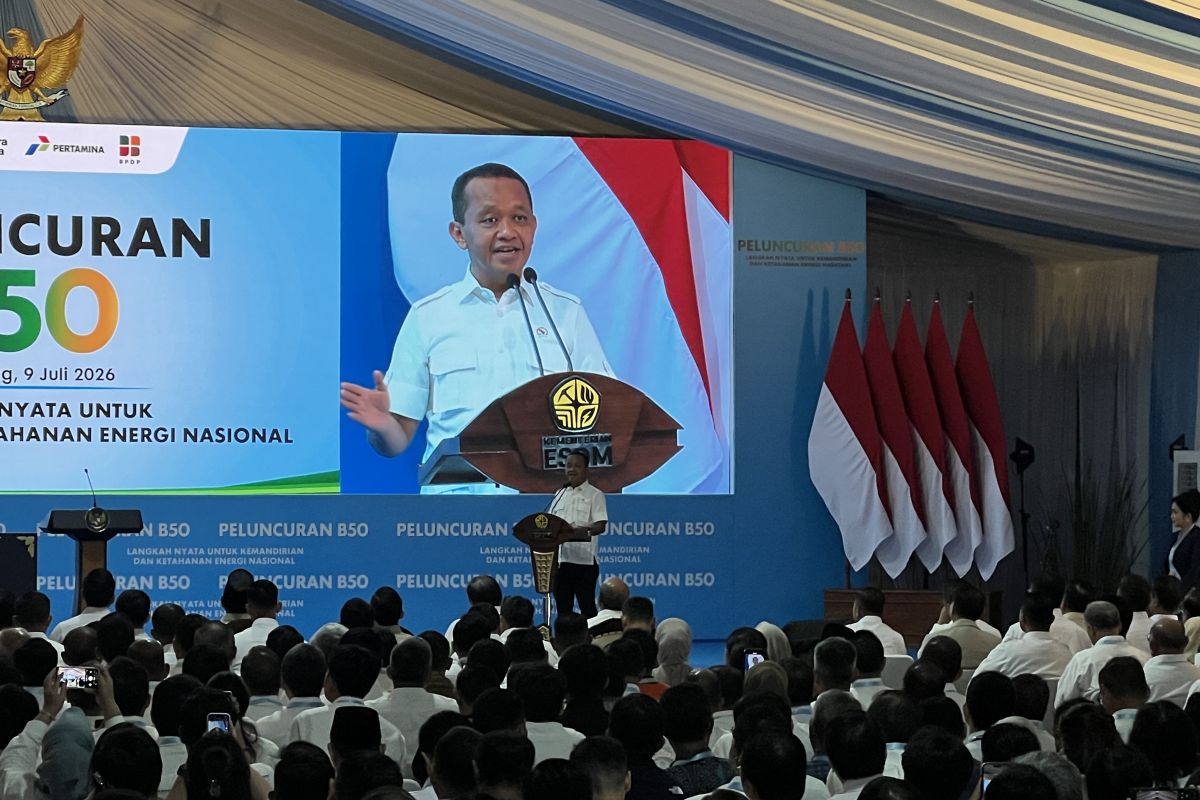
Minister of Energy and Mineral Resources (ESDM) Bahlil Lahadalia has announced that Indonesia has stopped importing diesel following the implementation of the mandatory B50 biodiesel policy. “With the implementation of B50, thank God we are no longer importing diesel products into our country. And this is the first time, Mr President,” Bahlil said during the launch of the B50 Biodiesel Mandatory Programme at the KM 57 Rest Area, Karawang Regency, West Java, on Thursday. Bahlil explained that total domestic diesel consumption is in the range of 38 million to 40 million kilolitres per year. “Initially, we were still importing approximately 3-4 million kilolitres per year,” Bahlil stated. He emphasised that today Indonesia is not only launching B50 but also taking a major step towards becoming increasingly sovereign in the energy sector. This achievement is in line with President Prabowo Subianto’s Astacita regarding energy security. The implementation of B50 in July 2026 was also driven by Prabowo’s directive to Bahlil to enhance sovereignty in the energy sector. “We interpret the President’s direction and orders not only as a matter of B50, but as a matter of sovereignty, independence, and national pride in being able to produce energy from our own country,” Bahlil said. The legal basis for the B50 Biodiesel Mandatory Programme is Minister of Energy and Mineral Resources Regulation Number 4 of 2025 concerning the Business and Utilisation of Biofuels and Minister of Energy and Mineral Resources Decree Number 257.K/EK.01/MEM.E/2026 concerning the Obligation to Blend 50 Percent Biodiesel-Type Biofuel with Diesel Fuel Oil. The B50 programme mandates a 50 percent blend of biodiesel into diesel fuel oil. In its implementation, biofuel business entities, fuel oil business entities, and distributing business entities are required to apply the standards and quality according to the specified specifications. This policy is part of the government’s strategic agenda to reduce dependence on fuel imports, strengthen the added value of national natural resources, and maintain Indonesia’s economic and energy resilience.