
Bahlil Announces Delay in Implementation of Mining Royalty Levies
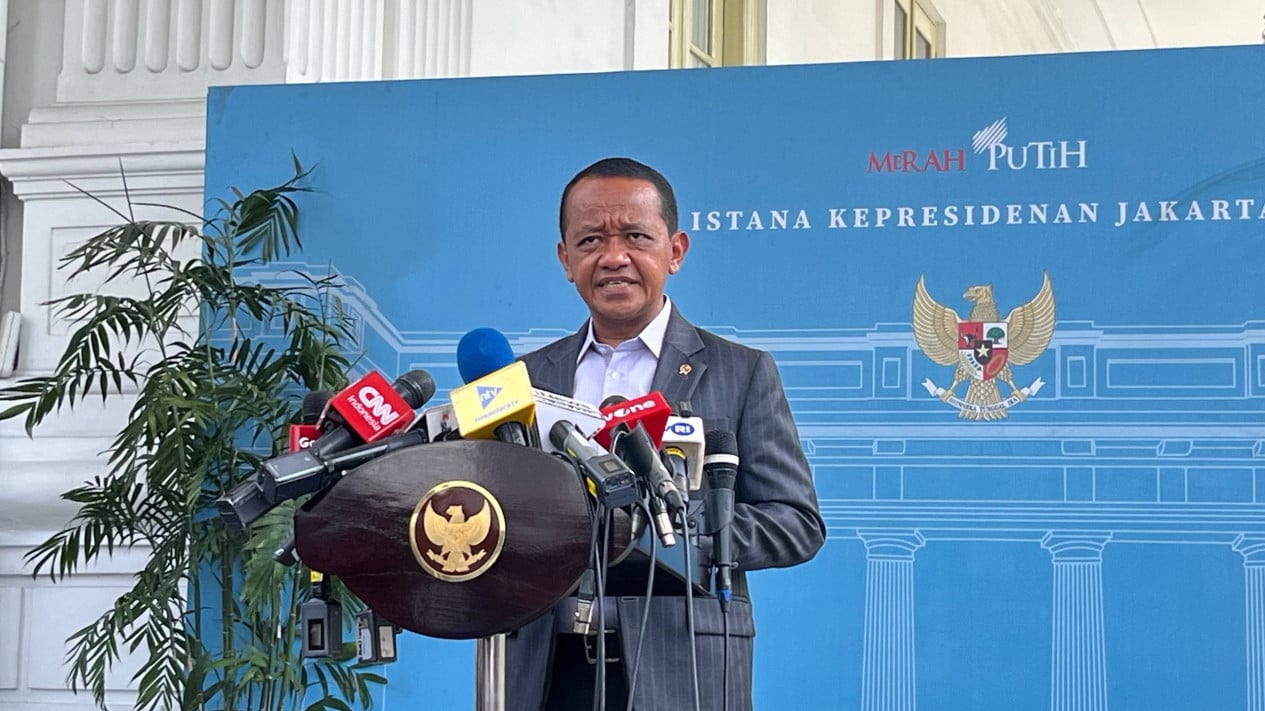
Minister of Energy and Mineral Resources (ESDM) Bahlil Lahadalia has delayed the implementation of mining royalties to develop a better formulation. The planned commodities—copper, tin, nickel, gold, and silver—will be subject to royalties.
According to Bahlil, the new royalty formulation for mining will be designed to benefit both the state and entrepreneurs, ensuring the policy maintains an element of fairness.
“After hearing input from the public and fellow entrepreneurs, I will put this on hold to build a good formulation that is mutually beneficial,” Bahlil stated when met at the Ministry of ESDM office in Jakarta on Monday, 11 May 2026.
Furthermore, Bahlil explained that the hearing session on 8 May 2026 regarding the proposed changes to royalty rates for copper, tin, nickel, gold, and silver commodities was merely a socialisation and not yet a final decision.
“(The June target) we are still considering again. Even if we have to find an ideal formulation, it must not harm entrepreneurs, but we can also optimise state revenue,” Bahlil said.
This statement responds to the Composite Stock Price Index (IHSG) on the Indonesia Stock Exchange (BEI), which opened weaker on Monday morning by 9.46 points or about 0.14 percent to the level of 6,959.94.
Equity Analyst at PT Indo Premier Sekuritas (IPOT), Hari Rachmansyah, in Jakarta on Monday, assessed that the IHSG’s movement over the next three trading days will be heavily influenced by global geopolitical dynamics and the commodity royalty tariff policy.
According to Hari, this policy is no longer just talk because it is targeted to take effect in June 2026. He explained that among all affected commodities, gold records the most significant tariff increase in percentage terms at the lower end, reaching up to 100 percent.
This condition is seen as exerting direct pressure amid global gold prices that remain at high levels. Meanwhile, tin is considered the commodity most severely impacted overall because the tariff increase occurs at both ends of the royalty range simultaneously.