
Bahlil and Purbaya Postpone Mining Export Tax, Seek New Formula
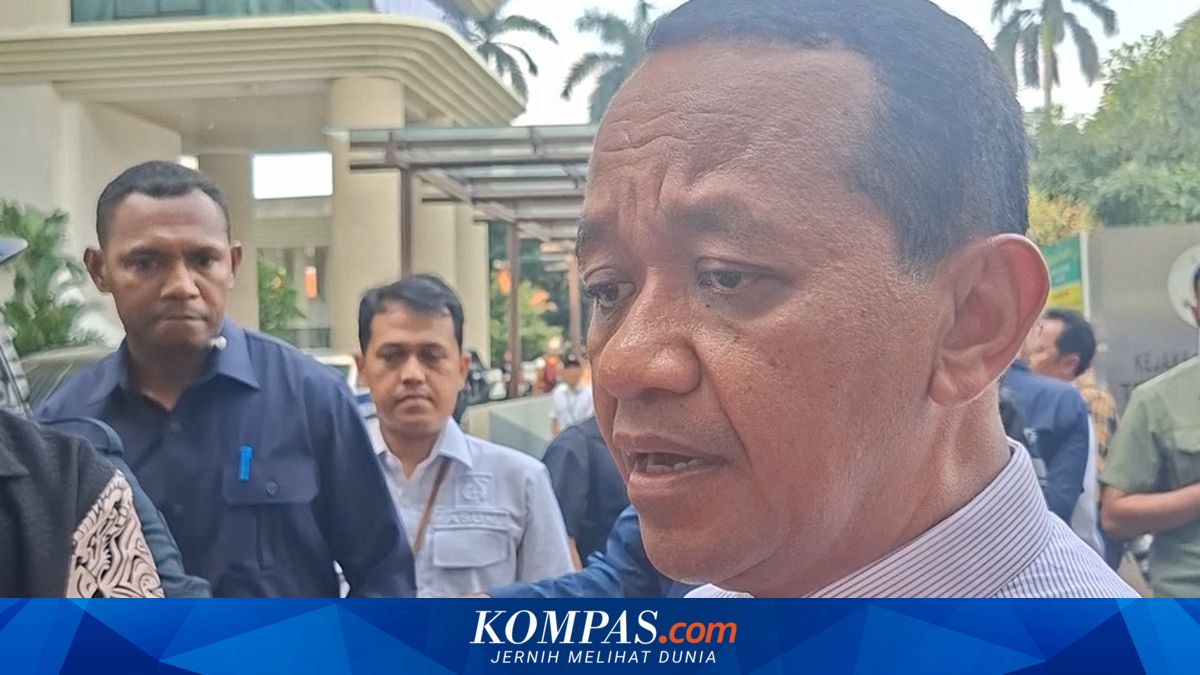
JAKARTA, KOMPAS.com - Energy and Mineral Resources Minister Bahlil Lahadalia and Finance Minister Purbaya Yudhi Sadewa discussed adjustments to policies in the energy and mining sectors. The meeting took place at the Ministry of Energy and Mineral Resources office on Wednesday (13/5/2026). One outcome of the discussion was the temporary postponement of the plan to impose export taxes on several mining commodities. The government will formulate a new approach deemed more balanced for the state and business actors. “We discussed several regulatory adjustments, including the imposition of export taxes on some commodities that had been socialised previously. We have agreed to suspend it temporarily while seeking a good formula,” Bahlil told the media at the Attorney General’s Office in Jakarta on Wednesday. “While still prioritising the interests of the state and also the interests of entrepreneurs. Both sides must benefit,” he said. Bahlil also assured that adjustments to the Mining Work Plan and Budget (RKAB) would proceed without issues. “The RKAB is being adjusted and there are no problems,” he stated. Meanwhile, Purbaya said the discussion with Bahlil did not focus on additional energy subsidies due to the weakening rupiah. The meeting was more directed towards strategies to strengthen non-tax state revenues (PNBP) from the oil and gas as well as mining sectors. “We discussed his plan to strengthen PNBP from the upstream oil and gas sector. The plan is quite good, I think,” Purbaya said. According to him, the project would become an important route for national gas distribution if the Andaman gas field in Aceh starts operating. “There is a gas pipelining project from Sumatra that might connect to Java. If Andaman is completed, it can be transferred directly to Sumatra-Java. That’s a good project,” he stated. In addition, Purbaya assured that the weakening rupiah has not forced the government to recalculate energy subsidy assumptions in the state budget. The government had previously used sufficiently high oil price assumptions in fiscal planning. “When we calculated last time, it was 120 US dollars per barrel, and the rupiah is around there, so no problem. I don’t have to recalculate,” he said.