
Badung's Agro Techno Park Draws Tourists but Cannot Yet Charge Entry Fees
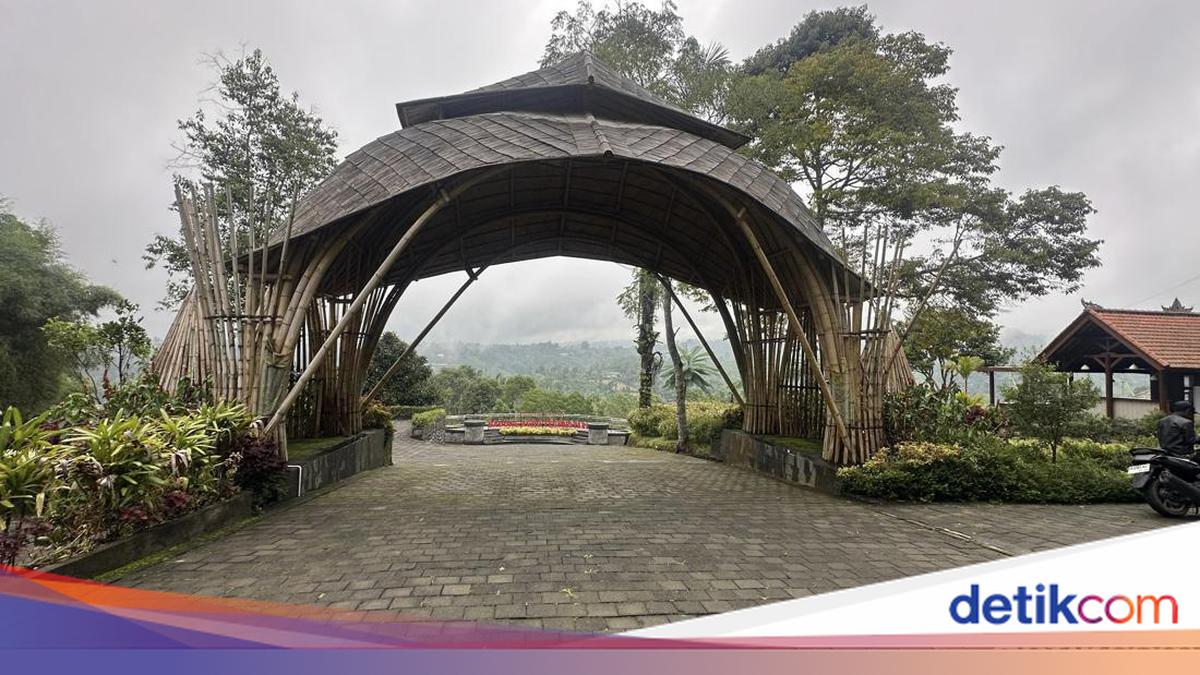
The Agro Techno Park (ATP) in Belok/Sidan Village, Petang District, Badung, Bali, frequently receives domestic and international tourists eager to see Arabica coffee cultivation. Despite the influx of visitors, the technopark area is still unable to charge an entrance fee. “This ATP area was projected from the start as a centre for applying agricultural technology based on Arabica coffee cultivation, not as a profit-oriented venture. Moreover, this place has not yet become an official Tourism Object and Attraction because it still does not meet several required provisions,” said the Head of the Badung Regency Agriculture and Food Agency, Anak Agung Ngurah Raka Sukadana, on Thursday (18/6/2026).
Raka Sukadana explained that his agency has deliberately not promoted tourism because it remains focused on maintaining ATP as an educational centre for agriculture. The site more often receives visits from government agencies, community organisations, and educational institutions wanting to study the coffee production chain in depth. “The agencies and educational institutions that come here are purely oriented towards learning about Arabica coffee cultivation from upstream to downstream. There is also a new official Regional Technical Implementation Unit, whose head we appointed and who began duties on 1 March 2026,” Raka said.
The application of agricultural technology in the area includes superior seed selection, planting distance regulation, protective plant management, irrigation systems, and post-harvest handling. Examples of its success can be seen in coffee plants that bear fruit before the age of two years, as well as the rescue of plants nearly dead from drought using drip irrigation methods. “Through strict supervision and evaluation, we ensure that all coffee plant growth at ATP complies with Good Agriculture Practice (GAP) standards. So our officers properly control everything from the obligation of red-picking during harvest, drying the beans to achieve the correct moisture content, sorting, to roasting techniques,” Raka stated.
Regarding daily operations, the Badung Agriculture and Food Agency routinely allocates maintenance funds from the regional budget each year. The allocation is used for procuring fertiliser, fuel for agricultural machinery, providing coffee seeds for nurseries, and paying local workers’ wages. “Currently, we are deliberately not budgeting for physical construction because the supporting facilities and infrastructure for coffee processing are considered still very adequate. All tourists who visit, including those who just stop by the coffee shop to have a drink while enjoying the natural scenery, have their data neatly recorded in our visitor logbook,” he explained.
Raka acknowledged that the ATP’s presence has not yet been able to cut the middleman chain that often disadvantages local farmers in the surrounding area. This is because ATP only processes, handles, and sells harvests from coffee plants located within the local government’s own independent area. “We realise that ATP cannot yet become a collection point for harvests from the surrounding community, but going forward our agenda is to study the opportunity for this place to transform into a centre of excellence for coffee in Badung. To spark the integration of agriculture and tourism (agro-tourism), we also plan to revive annual events such as Coffee Day and the Agro Market to bring farmers together directly with buyers on site,” he concluded.