
Badung Residents Can Build Modern Teba in Alleyways, Here Are the Requirements
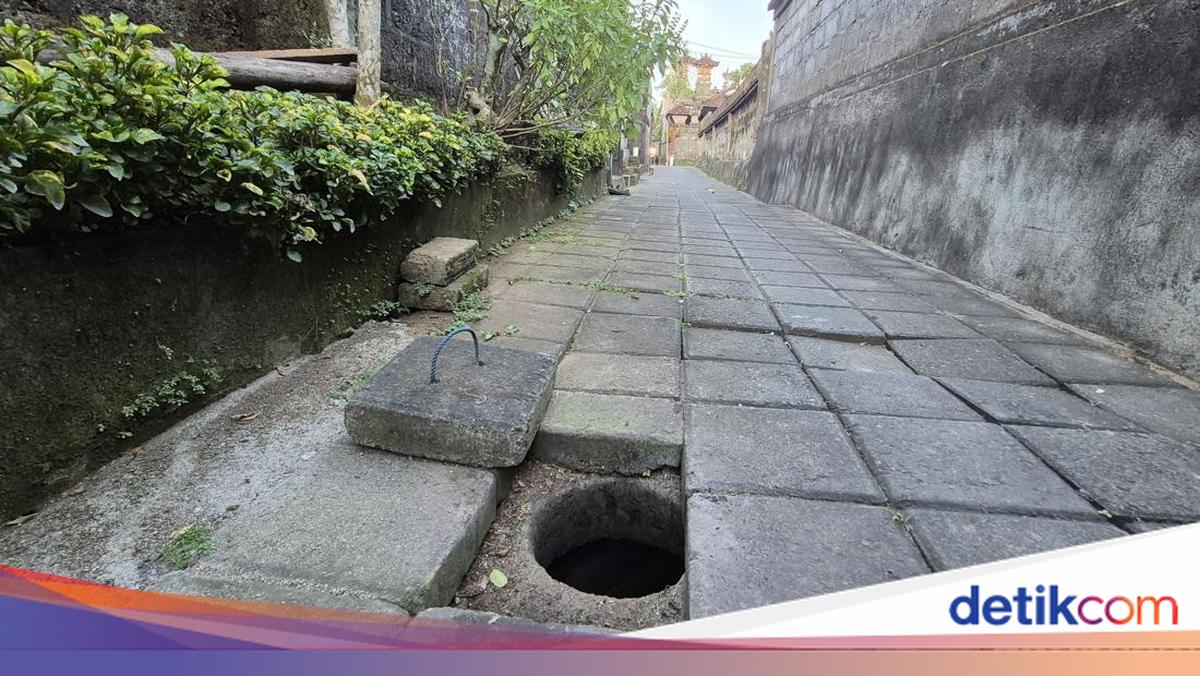
The local government in Bali, particularly in Badung, is encouraging on-site organic waste processing through modern teba installations or modern rubbish pit systems. So, how can residents in housing areas with limited land use public facility land (fasum) for this purpose?
“For the regulation on infrastructure, facilities, and utilities (PSU), it is governed by Ministry of Home Affairs Regulation No. 9 of 2009 and Badung Regency Regulation No. 4 of 2024. If one wishes to build on fasum land, permission from the local government is required because the transferred assets belong to the region,” said the Head of the Housing and Settlement Area Office of Badung Regency, Anak Agung Ngurah Bayu Kumara Putra, on Sunday (29/3/2026).
The Badung Regency Government (Pemkab) is intensifying innovations in modern teba or organic waste pits in dense residential areas as a solution for source-based waste processing. This step is taken to minimise the volume of organic waste entering temporary disposal sites or TPS3R as much as possible.
According to Bayu Kumara, the utilisation of public land in residential areas for modern teba systems is possible as long as permission for use is obtained from the local government. On the other hand, using neighbourhood roads for modern teba is said to be one solution amid land limitations in dense residential areas.
Agung Bayu Kumara also stated that the utilisation of fasum is entirely under the responsibility of the permitting authority, namely the local government. This is closely related to the status of asset management, which must be administratively recorded through relevant agencies.
“The community must certainly apply for the use of regional assets because the use of PSU, for example, neighbourhood roads that have become regional assets, requires permission from BPKAD as the managing body. The responsible party is the one granting the permission, in this case, the local government for fasum that has been handed over,” explained Bayu.
Previously, Badung Regent I Wayan Adi Arnawa gave the green light for residents in narrow housing to use alleys or public areas as locations for modern teba. The main requirement is that the waste processing equipment construction must not disrupt road functions or the aesthetics of neighbourhood roads (fasum).
“In some housing areas, it has already been implemented; the alleys are used to build modern teba with the condition that it must not protrude and must be level with the road. We are trying to minimise organic waste brought to TPS3R as much as possible; it is better if it is handled at each household through modern teba, composter bins, or composter bags,” said Adi Arnawa on Friday (27/3/2026).