
Badung Regency Claims Waste Sorting Reaches 72%, Landfill Disposal Drops by 35%
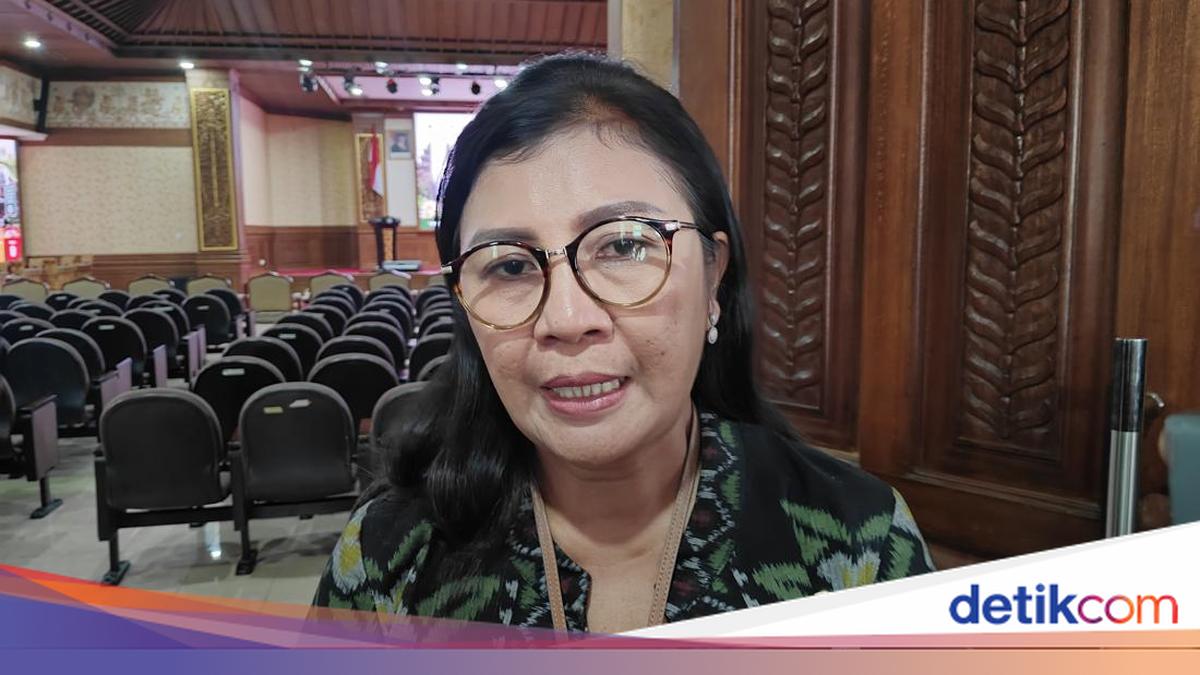
The Badung Environmental and Cleanness Agency (DLHK) has recorded that source-based waste sorting reached 72% as of May 2026. This upstream success has directly resulted in a 35% decrease in the volume of waste disposed of at landfills since January.
“Our current waste management is in a stage of increasing public awareness regarding sorting. This is evident from the fact that the community is now accustomed to the sorting schedules, as seen by the trucks we station at various positions,” said the Head of DLHK Badung, Made Rai Warastuthi, on Tuesday (2/6/2026).
The reduction in waste volume has significantly cut the daily rhythm of garbage truck deliveries to the Suwung landfill. The number of fleets, which previously reached approximately 290 trucks per day, has been reduced to an average of around 200 trucks.
“As of now, our trucks heading to the landfill have decreased by about 30 per cent. From around 290 trucks previously, it has become around 200 trucks following this sorting initiative,” added Rai.
The upstream processing system is supported by the operation of 42 units of Reduce, Reuse, Recycle waste processing sites (TPS3R) across various areas of Badung. Additionally, there are two integrated waste processing sites (TPST) functioning to support the integrated waste management system.
This waste reduction measure is also part of Badung Regency’s preparations to supply waste to the Waste-to-Energy (PSEL) facility. The Badung Regency Government is committed to supplying large quantities of waste to meet the operational needs of the facility.
“Our commitment is a minimum of 500 tonnes per day. Under the PSEL scheme, we will bring a specified tonnage of waste; regardless of the downstream technology used, sorting remains the primary priority,” Rai explained.
In the implementation of the cooperation agreement (PKS) for the PSEL project, Badung is fully responsible for the initial physical works at the planned construction site. The Badung Regency Government is currently accelerating the land filling process for the facility’s base.
Beyond waste management, DLHK Badung is also tightening supervision of business actors to ensure compliance with environmental regulations. Through regular monitoring, DLHK has inspected 84 out of a total of 250 types of business activities included in the monitoring list.
Field monitoring functions have been expanded through weekly movements combined with environmental law enforcement. Field officers identified hundreds of violators through the “Badung Resik” agenda every Friday, with a total of 248 findings.
Environmental monitoring actions in Badung also involve direct intervention from central government officials from the ministry level. The Environmental and Forestry Law Enforcement Team (Gakkum LHK) of the Ministry of Environment recorded 449 findings during their inspections.
Inspections of permits and environmental compliance also targeted the accommodation and medium-to-high-scale tourism destination sectors under the Indonesia Standard Industrial Classification (KBLI) scheme. The Tourism Office recorded the highest number of inspections, reaching approximately 5,000 business activities.
As a complement, the downstream trade sector was also extensively inspected to ensure the entire business supply chain complies with environmental rules. The Badung Department of Cooperatives, Micro, Small, and Medium Enterprises (MSMEs), and Trade reported that total supervision covered 1,473 business units.