
Badung Regency Allocates Rp 1.16 Trillion to Combat Poverty
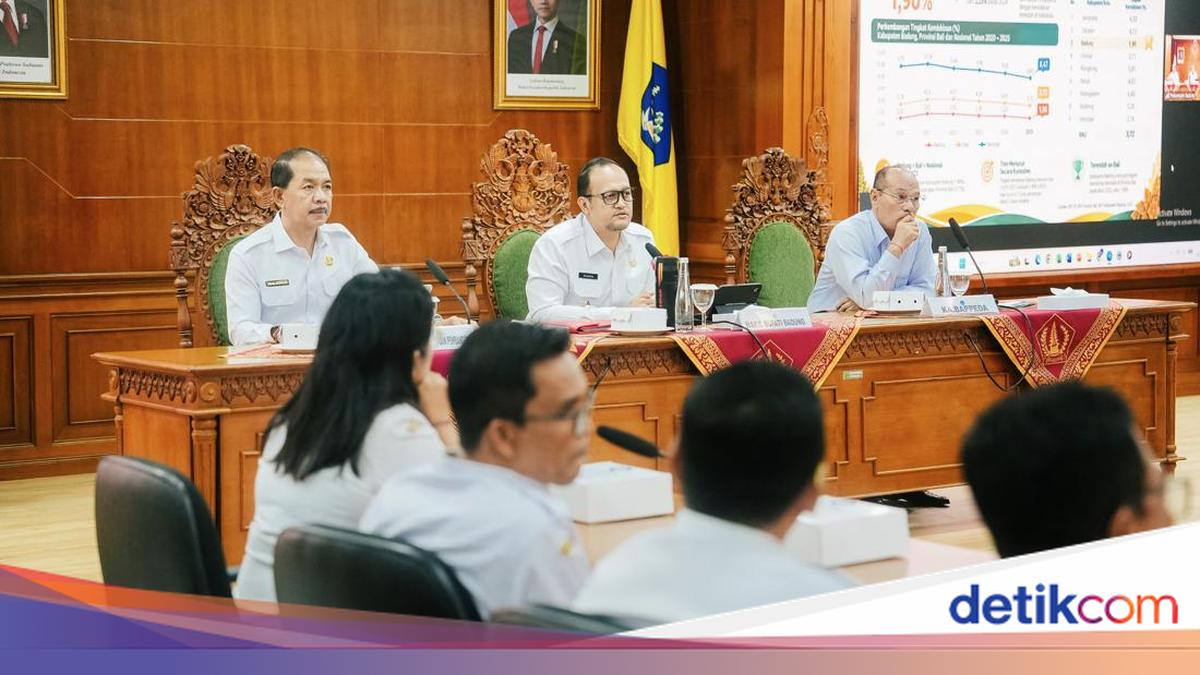
The Badung Regency Government has allocated a budget of Rp 1.16 trillion for 2026 to optimise comprehensive poverty alleviation efforts. This move follows a decrease in the poverty rate in Badung to 1.9% in 2025.
The Deputy Regent of Badung, Bagus Alit Sucipta (known as Gus Bota), stated that the Rp 1.16 trillion budget is intended to maintain the downward trend of poverty in the region. He emphasised that the local government must optimise poverty handling through a holistic approach.
“This massive budget is focused on four main sectors managed by relevant agencies: food, housing, and clothing; education and health; custom, religion, and culture; and social security, social welfare, and employment,” said Gus Bota after presiding over the 2026 Poverty Alleviation Coordination Meeting at the Badung Government Centre on Wednesday (30/09/2026).
Gus Bota noted that this step will be supported by an independent census conducted in collaboration with the Central Bureau of Statistics (BPS) to ensure all programme interventions are precisely targeted. Furthermore, cross-sector collaboration between the Badung Regency Government, vertical agencies, village governments, and the private sector through the Social and Environmental Responsibility (TJSL) forum will continue to be strengthened.
To ensure the effectiveness of programmes on the ground, Gus Bota requested all regional apparatus organisations (OPD), along with village and sub-district officials, to immediately complete the updating of Social Protection data. Additionally, the acceleration of Digital Population Identity (IKD) activation is targeted for completion by December 2026.
“Through strong synergy from the regency, district, village, and banjar levels, we are optimistic that the targets for poverty reduction and increased community welfare can be achieved for the happiness of the Badung people,” Gus Bota stated optimistically.
The Head of the Badung Regional Development Planning Agency (Bappeda), I Made Wira Dharmajaya, revealed that Badung possesses strong foundations to build optimism in reducing poverty rates further. This confidence is based on macro-economic indicator achievements as a benchmark for development success.
“We need to examine these targets deeply. We have good capital to build optimism in driving the poverty rate even lower,” said Wira.
Providing context on the regional economic background, Bappeda Badung noted that regional economic growth as of June 2026 reached approximately 5.9%. Based on these macro-economic indicators, the Badung Regency Government has set a long-term target to reduce the poverty rate to between 1.05% and 1.75% by 2030.