
Badung Lacks Shelter as New Project Targets 2027 Completion
Badung Regency Government is finalising plans to build a shelter. The facility is intended to strengthen temporary social protection for vulnerable communities before further intervention.
Badung has lacked such a shelter, often leading to suboptimal handling of social cases on the ground. The facility is also deemed crucial for accommodating various social issues, including family conflicts and other emergencies.
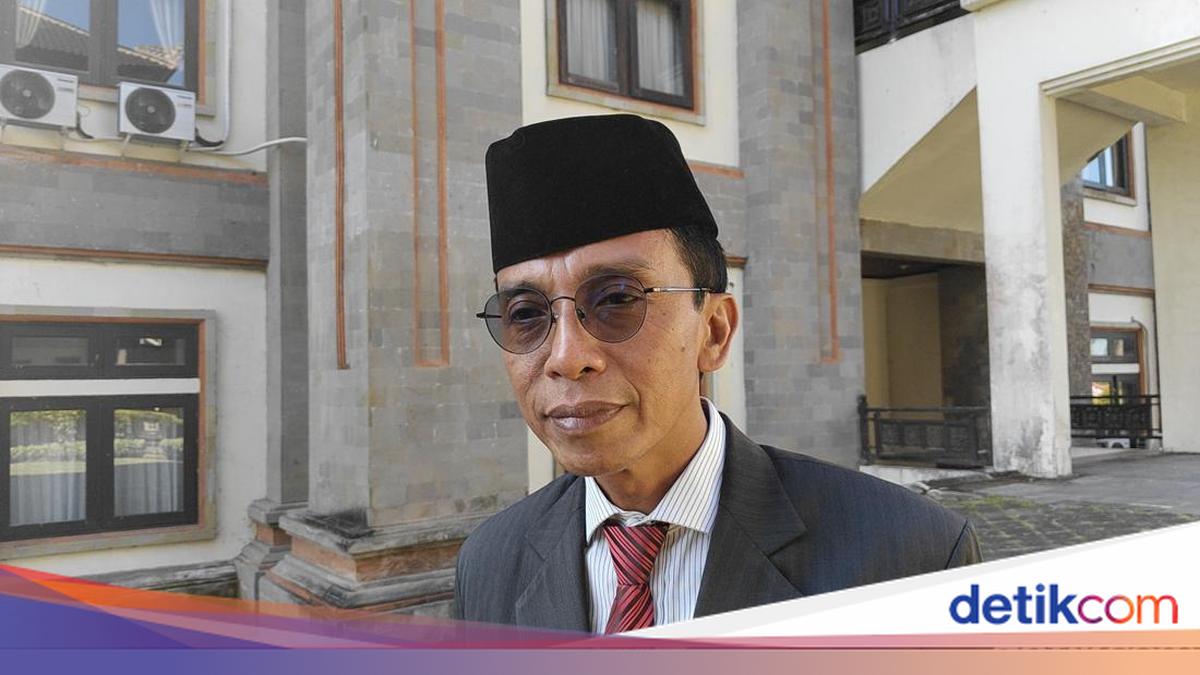
“Following the regent’s instructions, we are progressing with building shelters. These shelters may also function as empowerment houses,” said Badung Social Affairs Office Head I Gde Eka Sudarwitha on Monday (1/6/2026).
The Social Affairs Office, along with relevant agencies, is currently assessing several strategic locations for the facility. Although funding is allocated, site selection still requires thorough surveys and detailed studies.
The construction locations will be determined based on feasibility studies conducted by Badung’s Housing, Settlement, and Land Office (Perkim). Initial mapping identified three districts meeting the criteria.
“In 2018 and 2019, Perkim conducted feasibility studies with allocated budgets. Areas in Petang, Abiansemal, and Mengwi districts were identified as suitable for the proposed shelters,” Sudarwitha said.
Badung’s Social Affairs Office is now focusing on implementing all technical recommendations from the feasibility study. Next steps include adjusting designs and building sizes to meet on-ground needs.
“We simply need to proceed with the feasibility study outcomes, including the size and building model, which are already established. The next step is to construct the shelters,” added the former Badung Culture Office head.
Conversely, the absence of shelters has not caused major issues in handling social problems in Badung, attributed to strong familial ties and social cohesion in the community.
“We acknowledge that social life and cohesion in Badung Regency or Bali province differ from other regions, with strong familial bonds ensuring no one is left homeless. Social support, guardianship, and care within families remain robust,” Sudarwitha concluded.