
Badung Environmental Agency Encourages Waste Bank Proceeds to Fund Balinese Hindu Ceremonies
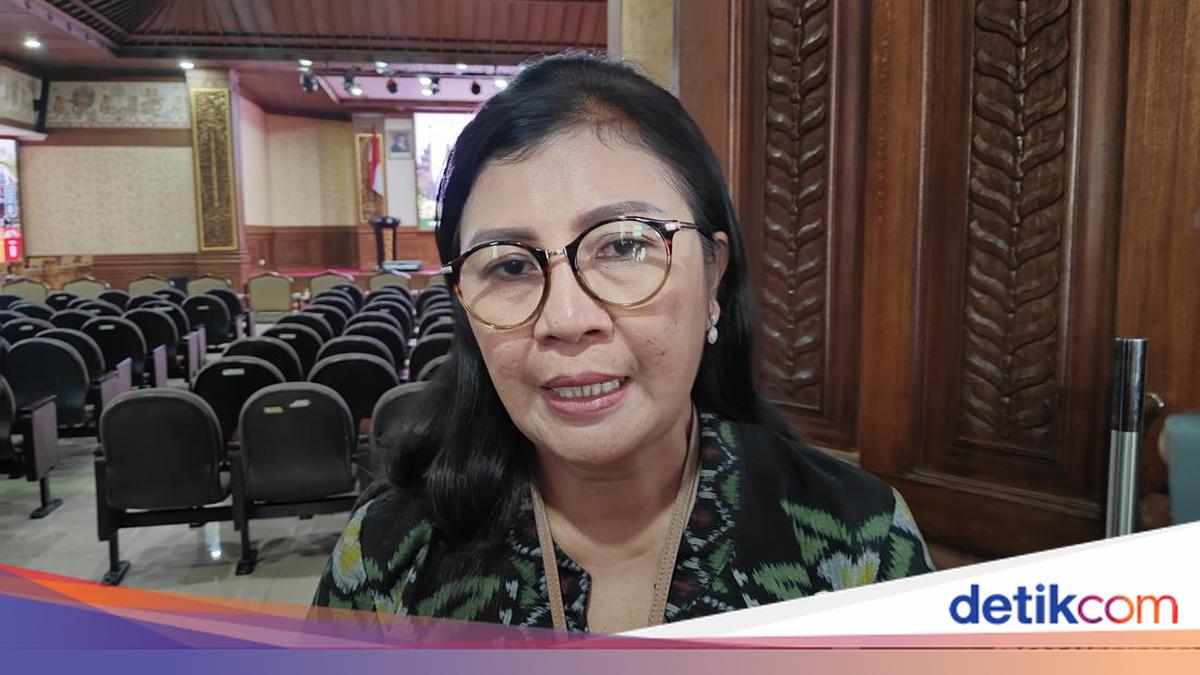
The Badung Regency Environmental and Hygiene Agency (DLHK) is encouraging the public to channel proceeds from waste bank sales into banjar community funds. The funds collected from the sale of inorganic waste will subsequently be used to alleviate the costs of traditional ceremonies or yadnya.
The Head of DLHK Badung, Made Rai Warastuti, said that profits from inorganic waste sales have predominantly been enjoyed by individuals. Through the ‘Yadnya Sampah’ programme, he stated, the people of Badung can utilise the proceeds from waste banks for ceremonial activities.
‘We will promote this Yadnya Sampah programme in waste banks throughout Badung Regency,’ Rai Warastuti stated on Thursday (4/6/2026).
He added, ‘So far, the proceeds mostly go into individual pockets; now we are pushing for them to enter the banjar fund and be used for yadnya or piodalan ceremonies held every six months. I think this greatly eases the burden on the community.’
Rai noted that several banjars have already implemented a similar concept. Nevertheless, DLHK Badung still gives residents the freedom to choose the destination for storing these funds. This means the proceeds from inorganic waste sales can be freely allocated to personal accounts, the Family Welfare Development (PKK) fund, or the banjar fund by mutual agreement.
‘Currently, several banjars are already implementing this, and we continue to provide options to the community. However, if it is used for yadnya and collected together, it will certainly help greatly with ceremonial costs,’ Rai Warastuti explained.
Rai explained that the role of DLHK Badung in the programme is more focused on communication, information, and education for the community. The Badung Regency Government also plans to hold a waste bank competition to appreciate banjars that are active in environmental management.
‘The government’s role is to provide education and assistance, and in the future, we will hold competitions for active waste banks. As for buyers or absorbers of waste products, we leave it to the community to manage independently,’ he clarified.
The number of waste banks in Badung itself has increased over the past two years. In 2025, 98 banjars in Badung had active waste banks. Meanwhile, in 2026, the number grew to more than 120 banjars.
‘The most important thing is that people have started sorting waste at the source. Organic waste is handled at home, inorganic waste is collected through waste banks, and we have also begun facilitating the management of residual and hazardous and toxic waste (B3),’ Rai revealed.
The volume of waste in Badung increases quite significantly on certain religious days such as Purnama, Tilem, and Kajeng Kliwon. The surge is dominated by organic waste from yadnya activities and community prayer ceremonies.
‘Rather than being thrown away as rubbish, it is better to sort and collect it because it still has economic value. There are cases where individuals earn up to Rp 1.7 million in three to six months, and even banjar funds that have collected tens of millions of rupiah from waste management,’ he added.
Source: jawawa.id (https://jawawa.id/newsitem/badung-environmental-agency-encourages-waste-bank-proceeds-to-fund-balinese-hindu-ceremonies-1780627877)
Originally published by detikBali (https://www.detik.com/bali/berita/d-8518775/dlhk-badung-dorong-hasil-bank-sampah-masuk-kas-banjar-untuk-kegiatan-yadnya), translated from Indonesian