
BACH Eyes IPO: Profit Engine Revs Up, but Import Reliance Poses Risk
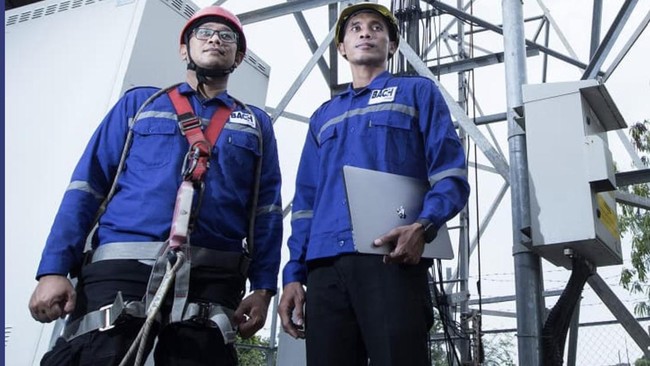
PT Bach Multi Global Tbk (BACH) is finalising its plans to list on the Indonesia Stock Exchange (BEI) through an initial public offering (IPO). The company, which operates two main business pillars—genset provision and telecommunications infrastructure—is targeting public funds to strengthen working capital and repay a portion of its bank liabilities. Here is an in-depth review of BACH’s prospectus, dissecting financial performance trends, operational ratios, and an analysis of the company’s positive catalysts and business risks.
Historical Financial Performance
The company has recorded a highly aggressive growth trend in both its top line and bottom line. BACH’s net profit soared in 2025, in line with increased demand in the genset rental segment and telecommunications construction service operations.
Revenue Sources by Business Line
Unlike issuers dependent on a single sector, BACH has diversification across two critical business lines. In 2025, genset sales and rentals were the largest revenue contributor, followed by the telecommunications infrastructure construction and maintenance segment operated through its subsidiary, PT Bach Multi Infrastruktur (BMI).
Use of IPO Proceeds Plan
From this corporate action, BACH is targeting fresh funds of up to Rp307.50 billion. The company will use a small portion of these funds for deleveraging (paying off debt), while the largest portion is focused on working capital expansion in the form of purchasing new genset units to meet market demand.
Financial Ratios, Liquidity, and Profitability
BACH’s capacity to generate profit is increasingly solid, reflected in a return on equity (ROE) that reached 29.02% in 2025. However, the company’s expansion aggressiveness has caused the debt-to-equity ratio (DER) to creep up from 0.83x in 2023 to 1.30x in 2025. Short-term liquidity (Current Ratio) also shrank to 1.29x, although it remains above the threshold required by banking covenants.
Positive Catalyst: Digital Infrastructure Group Support
BACH’s main attraction lies in its business ecosystem. Since July 2023, the company has been part of a leading digital infrastructure group affiliated with PT Sarana Menara Nusantara Tbk (Djarum Group), which manages tens of thousands of towers and hundreds of thousands of kilometres of fibre optic networks. Additionally, management’s commitment to distribute dividends of up to 50% of net profit starting from 2027 is a breath of fresh air for investors.
Negative Catalyst: Supplier Dependence and Bank Covenants
Behind its solid fundamentals, BACH faces supply chain risks. The company is heavily dependent on foreign genset principals such as Himoinsa and Guangdong Westinpower, making it vulnerable to fluctuations in the rupiah exchange rate against the US dollar. Furthermore, the increase in debt ratios means the company is bound by strict negative covenants from banks, which could limit the scope for corporate actions without creditor approval.
Shareholding Structure and Acquisition Manoeuvre (In %)
Within the shareholding structure, PT Bach Multi Global Tbk (BACH) holds a corporate manoeuvre that warrants close scrutiny. Post-IPO, the public shareholding portion is set at 15.06% of the total issued and fully paid-up capital. However, attention should be paid to an Option Agreement agreed upon on 7 January 2026 between the company’s two largest shareholders. PT Global Telekomunikasi Prima (GTP), as the controlling shareholder, will execute a call option to purchase shares owned by PT Bach Multi Sukses Investama (BMSI) no later than five business days after BACH’s shares are officially listed on the exchange. This internal acquisition manoeuvre will directly cement GTP’s position as the absolute majority shareholder with an ownership stake reaching 51.00%.