
B50 to Halt Diesel Imports, Indonesia Potential to Save Rp170 Trillion in Foreign Exchange
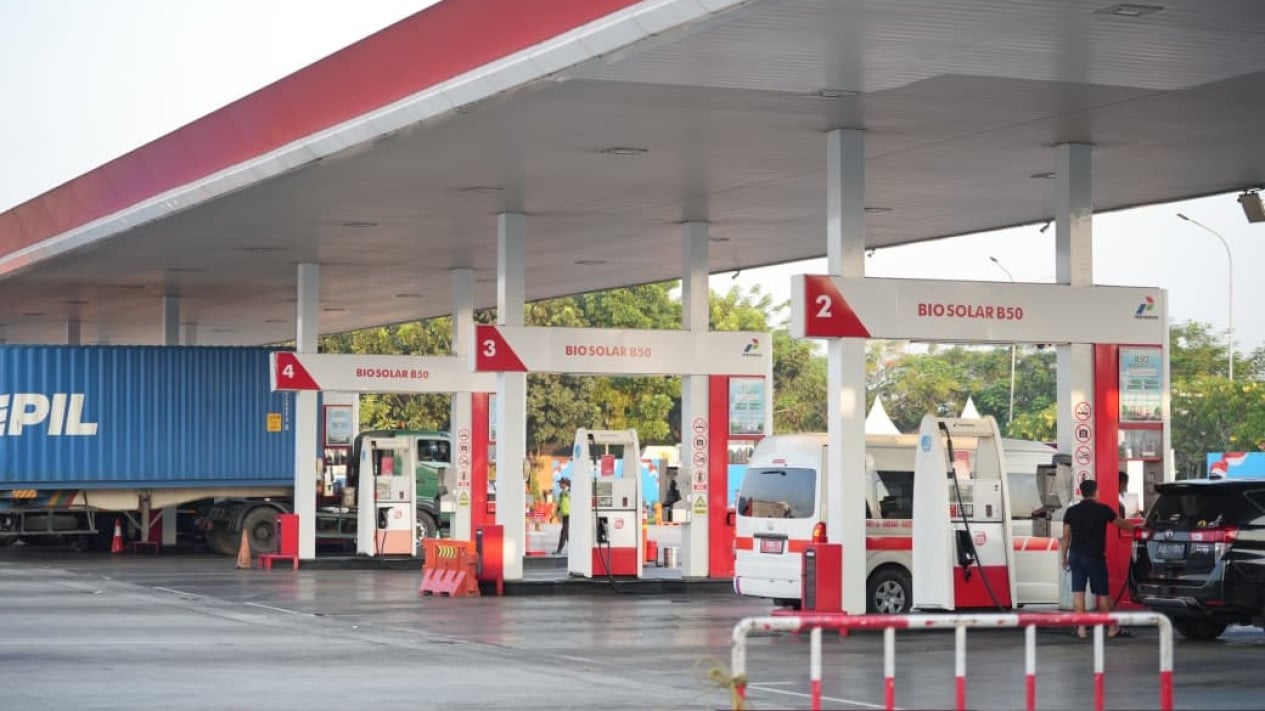
The 50 per cent palm oil-based biodiesel blending programme, known as B50, is said to have enabled Indonesia to cease all imports of CN 48 type diesel since 1 July 2026.
Yayan Satyakti, a researcher and economics lecturer at Padjadjaran University, stated that halting diesel imports is one of the most visible economic achievements of the government’s energy sovereignty policy. Speaking on Thursday, 1 October 2026, he noted that the B50 policy allows diesel requirements, previously met through imports, to be fulfilled by utilising domestic palm oil-based biofuels.
“Every litre of diesel that is no longer imported keeps money circulating within the domestic economy. Halting diesel imports through BX50 is the clearest example of this,” said Yayan. According to his estimates, halting diesel imports through the implementation of B50 has the potential to save Indonesia’s foreign exchange by approximately Rp170 trillion, or US$9.55 billion, per year.
Indonesia is set to become the first country in the world to officially implement the B50 programme on a mandatory basis starting in July 2026. This policy is a continuation of the biodiesel utilisation programme that has been implemented gradually over recent years. Prior to reaching B50, Indonesia has operated the B30, B35, and B40 programmes, with the increase in blending percentages serving as part of an effort to expand the use of domestic biofuels. The government aims for B50 distribution to reach 100 per cent across all petrol stations (SPBU) by 1 October 2026.
In addition to reducing dependence on diesel imports, the B50 programme is also projected to impact emission reductions. Data from the Ministry of Energy and Mineral Resources (ESDM) estimates that the implementation of B50 could reduce greenhouse gas emissions by up to 44.46 million tonnes of CO2 equivalent throughout 2026. This figure is projected to be higher than the environmental and financial benefits gained from the implementation of B40 in 2025. Through the use of palm oil-based biodiesel, the government also anticipates that the programme will provide added value to the processing of crude palm oil (CPO) within the country.