
B50 Saves Rp170 Trillion, Foreign Exchange Can Be Used to Make Indonesia More Advanced
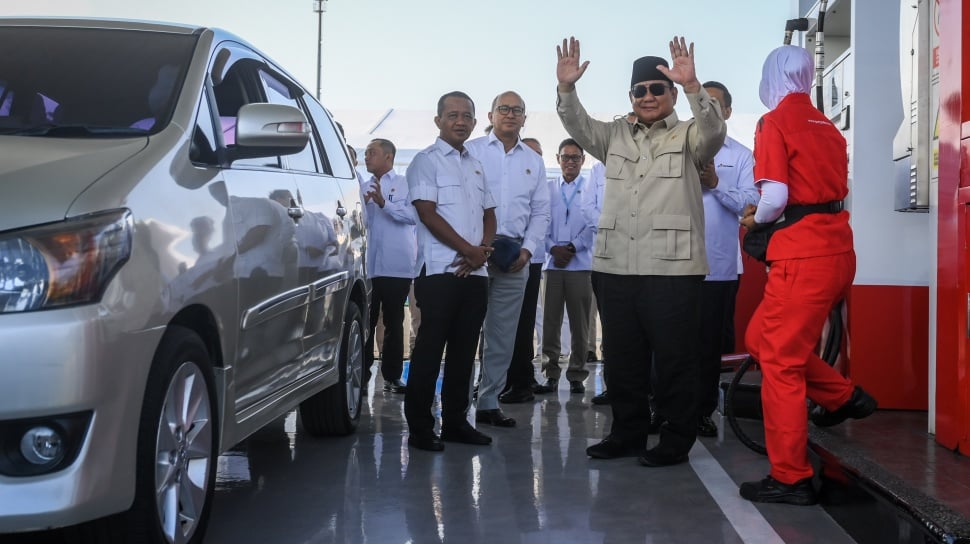
The B50 biodiesel policy is considered not only to strengthen Indonesia’s energy security, but also to open room for the government to divert foreign exchange savings from stopping diesel imports towards technology development.
Economist from Manado State University (Unima) Robert Winerungan explained that halting diesel imports through the implementation of B50 provides major benefits for the national economy. One of them is foreign exchange savings of up to Rp170 trillion.
“Most of our foreign exchange is spent on fuel imports and paying debts. Now that diesel is no longer imported, that Rp170 trillion in foreign exchange savings is enormous. So B50 greatly saves foreign exchange. Our foreign exchange is no longer drained by fuel imports. There are still fuel imports, but no longer diesel,” said Robert, as quoted on Sunday (16/8/2026).
According to Robert, the benefits of these savings should not stop at the reduced need for foreign exchange for energy imports. The fiscal space and foreign exchange created can be utilised to strengthen Indonesia’s technological capabilities.
He assessed that mastery of technology will increase productivity while reducing production costs. Thus, Indonesian products can become increasingly competitive compared to products from other countries.
“That is spectacular. So the essence is that with fuel no longer being imported, the foreign exchange can be used for technology transfer. Our Indonesia will become more advanced. So foreign exchange is not drained, and if that foreign exchange is used for technology transfer, it will make our Indonesia even more advanced,” he explained.
On the other hand, Robert assessed that the increasing use of palm oil as a biodiesel feedstock can also provide demand certainty for the commodity. This condition can ultimately help maintain sales and price stability for palm oil.
However, the benefits of B50 still need to be supported by an adequate ecosystem so that the programme can run sustainably.
Meanwhile, energy economics expert from Padjadjaran University (Unpad) Yayan Satyakti assessed that the increased use of biodiesel needs to be accompanied by increased productivity of smallholder palm oil plantations, diversification of feedstocks, and strengthening of financing.
“Fix the levies and install a blending safety valve now, diversify into waste-based feedstocks while protecting food through a Highest Retail Price instead of export quotas, and start raising smallholder plantation productivity immediately, then B50 becomes an energy security victory that Indonesia can truly bear, both fiscally and environmentally,” said Yayan.
According to Yayan, the sustainability of B50 is not enough merely by increasing the percentage of biodiesel blending. Readiness of feedstocks, financing, and infrastructure are also important factors.
“With adequate financing, feedstock, and infrastructure support, B50 has the opportunity to become an important instrument to strengthen energy security while reducing Indonesia’s dependence on imported energy,” added Yayan.
Previously, President Prabowo Subianto said Indonesia is beginning to successfully achieve energy self-sufficiency. One indicator is Indonesia’s ability to produce B50 biodiesel based on palm oil.
“The promise of energy self-sufficiency is now beginning to be realised with the first self-sufficiency in diesel fuel. We have succeeded in producing diesel with B50 from palm oil,” said Prabowo.
Prabowo said the implementation of B50 means Indonesia no longer imports diesel from abroad. The policy has been in effect since 1 July 2026.
According to him, the cessation of diesel imports also provides large foreign exchange savings.
“We managed to save Rp170 trillion in foreign exchange, around 9.5 billion US dollars, that no longer has to be sent abroad,” concluded Prabowo.