
B50 Programme Ready for Implementation, Bahlil Confident It Will Reduce Diesel Imports
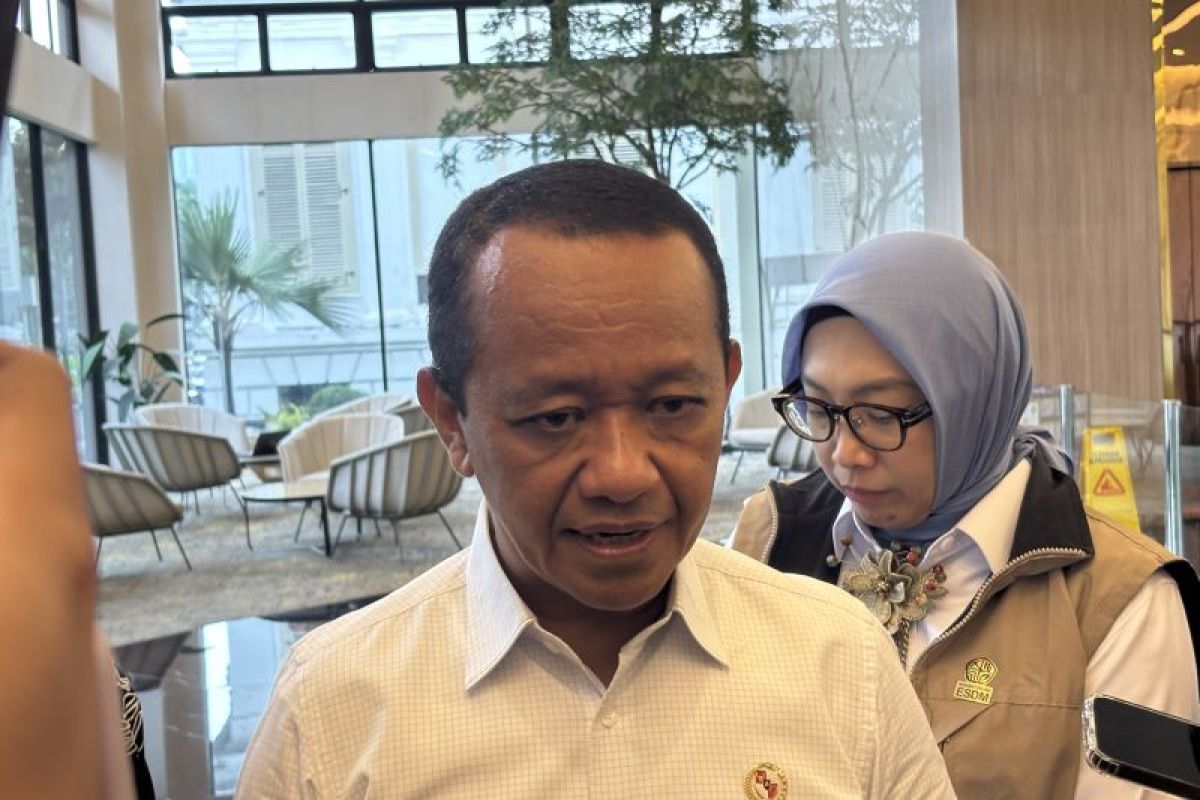
Minister of Energy and Mineral Resources (ESDM) Bahlil Lahadalia has stated that the B50 policy, to be implemented on 1 July, will reduce imports of C48 diesel. “God willing, we are very optimistic that the implementation of the B50 release will take place on 1 July. Consequently, it will reduce or even eliminate our diesel imports, particularly C48,” Bahlil said at the office of the Coordinating Ministry for Economic Affairs in Jakarta on Thursday. He confirmed that the technical aspects of the B50 programme have passed the trial phase and shown good results. As of today, the water content of B50 is lower compared to B40, and it has been tested on various vehicles, including heavy equipment, ships, trains, and other vehicles such as mining machinery, excavators, and agricultural tools. The B50 policy is estimated to save the country up to Rp157.28 trillion in foreign exchange this year. ESDM Ministry spokesperson Dwi Anggia explained that the foreign exchange savings from reduced diesel imports through the B50 policy this year have increased by approximately 17.9 percent compared to last year’s savings of Rp133.3 trillion. The B50 programme also has the potential to create added value for crude palm oil (CPO) amounting to Rp24.68 trillion, absorb 2.21 million workers, and reduce greenhouse gas emissions by up to 46.72 million tonnes. Anggia stated that the implementation of B50 will not only positively impact the trade balance but also drive economic growth. The series of B50 trials has been ongoing since last year. Technical testing of B50 for the automotive sector began on 2 December 2025 and is targeted for completion by June 2026. The government is also still conducting technical tests on agricultural machinery and mining equipment, targeted for completion in the second half of 2026. The government is also still carrying out technical tests of B50 for the railway and power generation sectors, although the process has not yet been fully completed. “Although technical testing is still underway in some sectors, we are ensuring that this implementation will be carried out simultaneously,” Anggia added.