
B50 Mandate to Reshape Indonesia's Palm Oil Sector: Boon or Bane for Listed Companies?
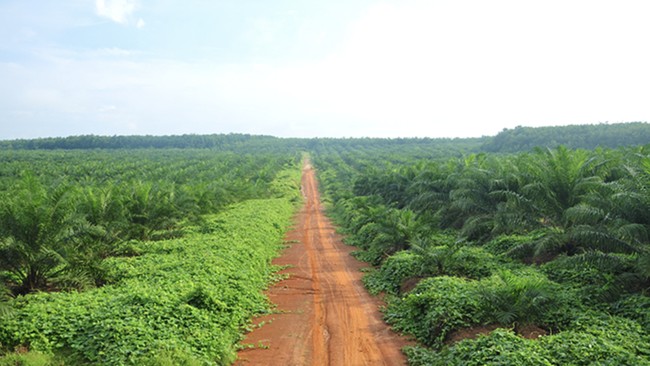
The mandatory 50% biodiesel blend (B50) officially came into effect on 1 July 2026, replacing the previous B40 programme. The policy, governed by Ministerial Decree No. 257.K/EK.01/MEM.E/2026, mandates that 50% of diesel fuel consists of palm oil-based Fatty Acid Methyl Ester (FAME). The government provided a three-month transition period until 1 October 2026 for fuel distributors to clear existing B40 stocks. Under this scheme, half of the diesel volume circulating in Indonesia will be derived from palm oil, reducing reliance on imported fossil fuels. The programme is projected to require 23.3 million tonnes of crude palm oil (CPO), processed by 26 existing biodiesel plants and 17 new facilities, pushing national biodiesel production capacity to 40 million tonnes.
Each increase in the mandatory biodiesel blend has historically led to greater foreign exchange savings. For 2026 alone, the B50 programme is expected to absorb 2.21 million workers, up from 1.8 million under B40, and reduce carbon emissions by 46.72 million tonnes of CO2. For investors, the critical factor is how this surge in domestic CPO absorption translates to the financial performance of listed plantation companies. Under the B35/B40 regime, biodiesel absorbed 11–14 million tonnes of CPO. With B50 fully implemented, this figure jumps to approximately 20 million tonnes, representing roughly 30% of Indonesia’s total CPO production, which the Indonesian Palm Oil Association (GAPKI) estimates at 56–57 million tonnes.
Consequently, the volume of CPO available for export will shrink. GAPKI estimates a reduction of 2–3 million tonnes, while some market analysts project a more aggressive cut of up to 7 million tonnes in export quotas. Regardless of the exact figure, the tightening of global supply historically supports higher prices. This is crucial for listed planters such as AALI, LSIP, TAPG, DSNG, SSMS, SIMP, BWPT, and TBLA, as their production volume growth is limited by tree age and slow replanting rates. A higher average selling price (ASP) becomes the primary lever for profit growth. Companies with integrated FAME production facilities stand to benefit doubly from both volume and margin expansion. This policy tailwind arrives as the sector already demonstrates strong fundamentals; throughout 2025, AALI recorded a net profit of Rp1.47 trillion (+28.3% YoY) on revenue of Rp28.65 trillion (+31.4% YoY), while LSIP and DSNG posted net profits of Rp1.89 trillion (+27.8% YoY) and Rp1.84 trillion (+61.1% YoY) respectively.
GAPKI Chairman Eddy Martono noted that reduced export volumes could tighten global vegetable oil supply, potentially strengthening international CPO prices and benefiting domestic producers and farmers. However, the policy carries fiscal risks. The government raised the CPO export levy to 12.5% in March 2026. If declining export volumes reduce levy receipts, the government may further increase the tariff to fund the biodiesel subsidy, which could suppress domestic CPO and fresh fruit bunch (FFB) prices. Market sensitivity to policy consistency is high; earlier delays to the B50 rollout caused share price corrections for major plantation companies. Additionally, rising fertiliser costs—up 37% year-on-year to US$275 per tonne due to geopolitical disruptions in the Middle East—are adding pressure to production costs.
Source: jawawa.id (https://jawawa.id/newsitem/b50-mandate-to-reshape-indonesias-palm-oil-sector-boon-or-bane-for-listed-companies-1783410860)
Originally published by CNBC Indonesia (https://www.cnbcindonesia.com/research/20260701115617-128-747119/b50-ubah-permainan-sawit-ri-emiten-bakal-untung-atau-buntung), translated from Indonesian