
B50 Implementation to Strengthen National Energy Security and Boost Indonesian Palm Oil Added Value
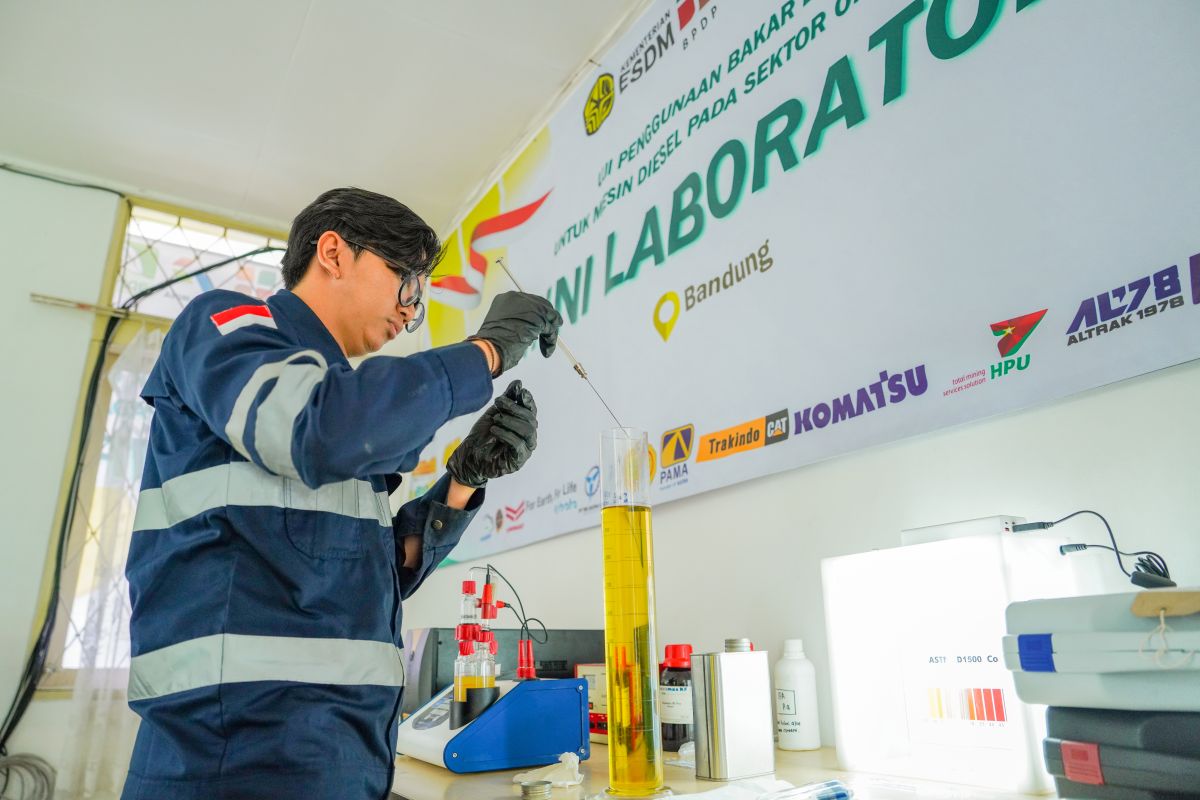
The government continues to strengthen its commitment to achieving national energy independence through the implementation of a palm oil-based biofuel programme. Starting 1 July 2026, the biodiesel blend implementation will increase to 50 per cent (B50) as a strategic step to strengthen national energy security, reduce dependence on imported fossil fuels, and increase the added value of Indonesia’s palm oil commodities.
The B50 mandatory programme is a continuation of the successful implementation of previous biodiesel mandates. This policy not only contributes to saving state foreign exchange reserves by reducing diesel imports and lowering CO2 greenhouse gas emissions through the use of more environmentally friendly energy, but also provides a positive impact on the stability of the national palm oil industry, increased domestic palm oil absorption, and the welfare of Indonesian palm oil smallholders.
Based on data from the Ministry of Energy and Mineral Resources (ESDM), the implementation of the biodiesel programme between 2015 and 2025 has resulted in foreign exchange savings of Rp722.9 trillion, created added value of Rp114.7 trillion through the processing of CPO into biodiesel, supported the employment of up to 10.9 million people in the palm oil sector, and contributed to a reduction in greenhouse gas emissions by 228.41 million tonnes of CO2.
These achievements demonstrate that the biodiesel programme serves not only as an instrument for national energy security but also as a driver for economic growth, palm oil industrial downstreaming, and job creation.
The President Director of BPDP, Eddy Abdurrachman, stated that the implementation of B50 is tangible evidence of the synergy between national energy policy and the development of a productive and sustainable palm oil industry. “The biodiesel programme has become one of the strategic instruments in strengthening national energy security while creating a strong domestic market for Indonesian palm oil products. The implementation of B50 shows the government’s commitment to continuously increasing the use of renewable energy based on domestic resources,” he said.
The success of the B50 implementation is inseparable from the continuous efforts to strengthen the upstream sector. In this regard, BPDP does not only support the biodiesel programme but also executes various strategic programmes aimed at increasing the productivity, sustainability, and competitiveness of the national palm oil industry. These programmes include the Indonesian Oil Palm Replanting Programme (PSR), human resource development, support for research and development (R&D), and the provision of plantation infrastructure and facilities.
Through the PSR programme, BPDP encourages the increase of smallholder plantation productivity by replacing unproductive plants with superior seeds that offer higher yields. Meanwhile, support for research and development continues to be provided to produce innovations capable of increasing productivity, efficiency, product quality, and the sustainability of the Indonesian palm oil industry. Various research results serve as an important foundation for addressing industry challenges, including productivity increases, climate change adaptation, and the development of palm-based downstream products. The B50 programme is tangible evidence of the benefits of the R&D programmes supported by BPDP.
Human resource development is also a primary focus of BPDP through education, training, and scholarship programmes aimed at producing plantation personnel who are competent, professional, and adaptive to technological developments. Additionally, support for plantation infrastructure and facilities is being strengthened to increase the efficiency of smallholder plantation businesses and improve the overall governance of the plantation sector.
These various programmes are part of the effort to maintain raw material availability and transform the palm oil sector from upstream to downstream through the strengthening of productivity, innovation, sustainability, and smallholder empowerment. BPDP, as the body mandated to support the palm oil-based biofuel fulfilment programme, will continue to ensure the sustainability of the programme’s implementation through accountable and sustainable fund management. This support is a vital part of maintaining the sustainability of the biodiesel programme while strengthening the national palm oil industry ecosystem.
Moving forward, BPDP will continue to support various government efforts in strengthening the development of palm oil-based new and renewable energy, while simultaneously encouraging increased productivity, sustainability, and the competitiveness of the Indonesian palm oil industry to provide optimal benefits for the national economy and public welfare.
However, the Indonesian Palm Oil Farmers Organisation (POPSI), along with the Clean Transition Coalition, has requested that the government not rush the implementation of the B50 mandatory biodiesel mandate. Energy observers have suggested that the price of B50 Biosolar, which will apply in July 2026, should be positioned between subsidised diesel and Pertadex to remain attractive to consumers.
Source: jawawa.id (https://jawawa.id/newsitem/b50-implementation-to-strengthen-national-energy-security-and-boost-indonesian-palm-oil-added-value-1782708655)
Originally published by Media Indonesia (https://mediaindonesia.com/ekonomi/905397/implementasi-b50-perkuat-ketahanan-energi-nasional-dan-tingkatkan-nilai-tambah-sawit-indonesia), translated from Indonesian