
B50 Implementation Hailed as Milestone for National Bioenergy Ecosystem
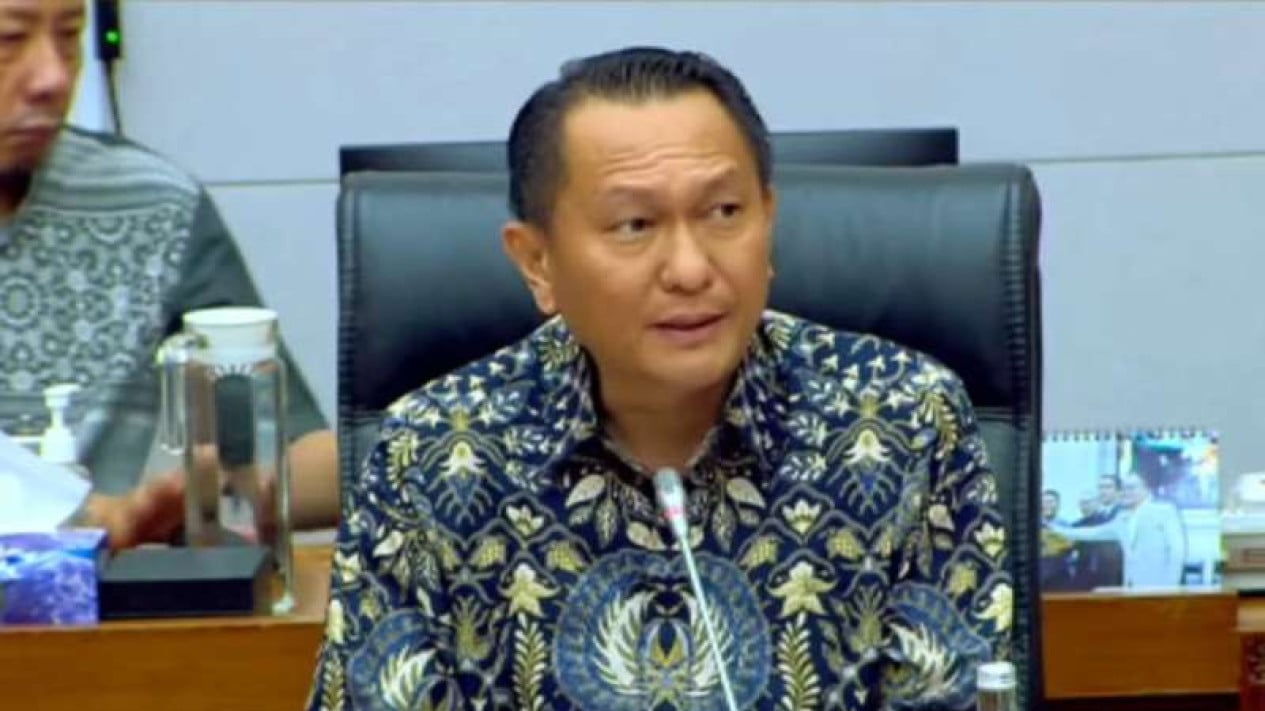
The Chairman of Commission XII of the Indonesian House of Singapore (DPR RI), Bambang Patijaya, has expressed appreciation for the government’s move through the Ministry of Energy and Mineral Resources (ESDM) to officially implement the B50 biodiesel mandate starting 1 July 2026.
According to him, this policy represents a significant milestone in strengthening the national bioenergy ecosystem, accelerating the downstreaming of natural resources, and reinforcing Indonesia’s energy security. Bambang noted that the B50 implementation demonstrates the government’s consistency under the leadership of Minister of ESDM Bahlil Lahadalia in executing the energy self-sufficiency agenda initiated by President Prabowo Subianto.
Amidst geopolitical dynamics and fluctuations in global energy prices, utilising energy based on domestic resources is a strategic approach to strengthening national energy independence. According to data from the Ministry of ESDM, the implementation of B50 is projected to increase national biodiesel demand to approximately 17.6 million kilolitres by 2026 and has the potential to save the state’s foreign exchange reserves by around Rp157 trillion through the reduction of diesel imports.
In addition to providing fiscal benefits, the policy also strengthens the utilisation of palm oil as an energy feedstock with high added value. “The B50 programme is not merely about increasing the biodiesel blend percentage, but serves as a foundation for the formation of an integrated national bioenergy ecosystem from upstream to downstream. Policy certainty such as this will provide a positive signal to the business world to continue investing in the development of the national bioenergy industry,” Bambang stated in a written statement on Wednesday, 1 July 2026.
He added that the implementation of B50 is expected to encourage growth in investment within the biodiesel processing sector, the strengthening of distribution infrastructure, technological development, and the enhancement of supporting industry capacity. Consequently, the benefits of the policy will not only be felt in the energy sector but will also strengthen the national industrial structure and increase Indonesia’s competitiveness.
Bambang also commended the government’s readiness, having conducted technical testing of B50 on various modes of transport, heavy equipment, railways, and industrial sectors before national implementation. He noted that this testing-based approach demonstrates that the government prioritises safety, quality, and the reliability of policy implementation.
As Chairman of Commission XII of the DPR RI, Bambang emphasised that his committee will continue to perform its oversight function to ensure that the B50 implementation meets its targets, ranging from the readiness of raw material supplies and biodiesel quality to distribution effectiveness and policy sustainability. Such oversight is crucial to ensure that the programme’s benefits can be optimally felt by the public, the business community, and the national economy.