
B50 Implementation Assessed to Strengthen National Energy Security
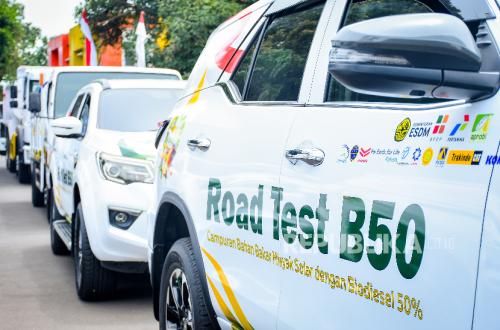
The government remains committed to achieving national energy independence through the implementation of a programme to fulfil biofuel requirements based on palm oil. Starting 1 July 2026, the increase in the biodiesel blend to 50 percent (B50) is a strategic step in strengthening national energy security. This move also simultaneously reduces dependence on imported fossil fuels and increases the added value of Indonesia’s palm oil commodities. The B50 mandatory programme is a continuation of the successful implementation of the biodiesel mandate that has been running over the past few years. Based on data from the Ministry of Energy and Mineral Resources, the implementation of the biodiesel programme from 2015 to 2025 has resulted in foreign exchange savings of Rp 722.7 trillion. Additionally, it created added value of Rp 114.7 trillion through the processing of CPO into biodiesel, supported the absorption of up to 10.9 million workers in the palm oil sector, and contributed to a reduction in greenhouse gas emissions of 228.51 million tonnes of carbon dioxide. Eddy Abdurrachman, President Director of the BPDP, stated that the implementation of B50 is tangible proof of the synergy between national energy policy and the development of a productive and sustainable palm oil industry. He noted that the biodiesel programme has become one of the strategic instruments in strengthening national energy security while creating a strong domestic market for Indonesian palm oil products. ‘The implementation of B50 demonstrates the government’s commitment to continuously increasing the utilisation of renewable energy based on domestic resources,’ he said in a press release in Jakarta on Monday (29/6/2026). According to Eddy, the success of B50 implementation is inseparable from the continuous efforts to strengthen the upstream sector. In this regard, he continued, BPDP not only supports the biodiesel programme but also runs various strategic programmes aimed at increasing the productivity, sustainability, and competitiveness of the national palm oil industry.