
B50 Biodiesel to Launch in Indonesia: Benefits and Differences from Conventional Diesel
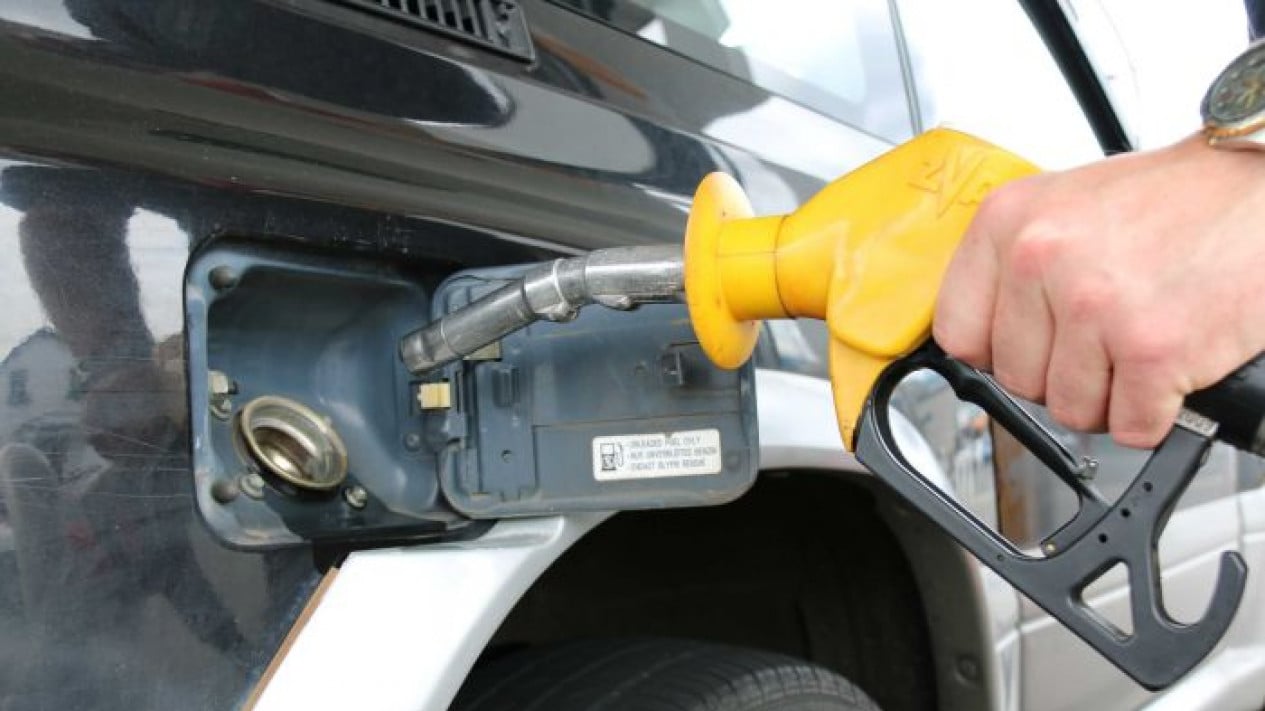
The Indonesian government will begin the nationwide implementation of B50 biodiesel on 1 July 2026. This policy is a measure to reduce Indonesia’s dependence on imported fuel oil while increasing the use of domestic resources, particularly palm oil. B50 is a fuel consisting of a 50% blend of vegetable oil-based biodiesel and 50% conventional diesel. Its introduction continues the biodiesel programme that has previously progressed through B20, B30, and B40 schemes. The implementation of B50 also comes amid government efforts to strengthen national energy security. Beyond reducing diesel imports, the use of biodiesel is expected to create added value for the domestic palm oil industry, generate employment, and support greenhouse gas emission reduction targets.
A spokesperson for the Ministry of Energy and Mineral Resources, Dwi Anggia, stated that the B50 implementation is projected to have a significant economic impact. Foreign exchange savings are expected to reach Rp157.28 trillion, an increase from the Rp133.3 trillion saved under the B40 mandate in the previous year. The programme is also estimated to generate Rp24.68 trillion in added value for crude palm oil (CPO), absorb approximately 2.21 million workers, and reduce greenhouse gas emissions by up to 46.72 million tonnes. Dwi added that the policy is also a response to global energy price uncertainty influenced by geopolitical factors.
Although both are used for diesel vehicles and machinery, B50 differs from conventional diesel. The key distinction lies in its composition, with B50 containing a 50% biodiesel component derived from palm oil, whereas regular diesel is purely fossil-based.