
B50 Biodiesel Regulation to Take Effect 1 July 2026: Impact on Vehicle Engines
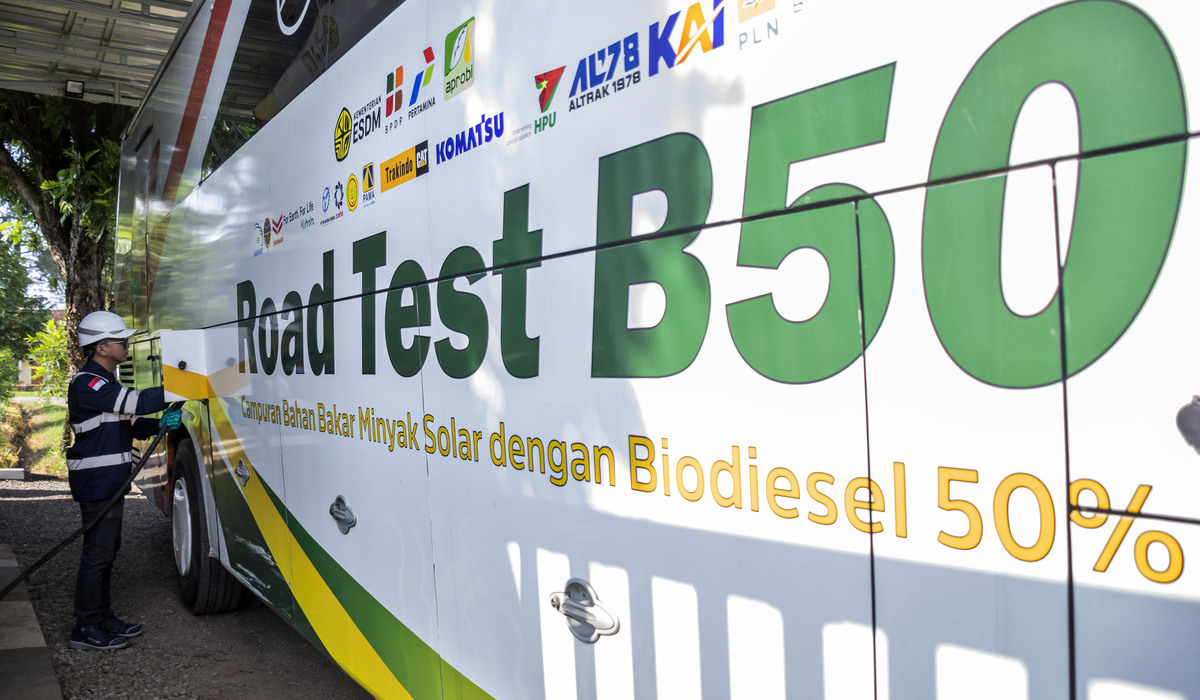
The government will officially implement the B50 biodiesel fuel regulation starting 1 July 2026. This policy mandates a blend of 50 per cent biodiesel with 50 per cent solar diesel for use across various sectors.
Automotive expert Yannes Martinus Pasaribu from the Bandung Institute of Technology (ITB) assesses that the transition from B40 to B50 will not trigger drastic changes in diesel-powered vehicles. This is because Indonesia has been implementing B40 for over a year.
“The solvent effect of B50 biodiesel in cleaning old deposits in tanks and pipelines has significantly decreased because vehicles have already adapted to B40,” Yannes stated on Wednesday.
From an environmental perspective, the use of B50 is claimed to be more eco-friendly. Yannes explained that this fuel produces lower exhaust emissions, particularly regarding carbon monoxide and smoke parameters.
However, there is a slight consequence regarding fuel efficiency. “B50 is slightly more fuel-intensive because its calorific value is lower compared to previous blends, though the difference is not significant. Overall, performance is not much different from B40 for well-maintained vehicles,” he added.
Yannes emphasised that diesel vehicle owners do not need to make major changes to their maintenance patterns. He recommended monitoring crucial components such as fuel filters and rubber parts during the transition.
Spokesperson for the Ministry of Energy and Mineral Resources (ESDM), Dwi Anggia, stated that the B50 regulations are ready for implementation across all sectors. Trials have been conducted on various modes of transport and heavy equipment, including ships, trains, mining vehicles, and agricultural machinery.
With consistent normal maintenance, Yannes believes diesel vehicles can safely adopt B50 and continue to operate optimally. However, high FAME (Fatty Acid Methyl Ester) content is hygroscopic (easily absorbs water), oxidises more quickly, and can trigger sludge formation and microbial growth within fuel tanks.
Meanwhile, Indef has warned of the potential for increased operational costs for industrial players alongside the planned mandatory B50 implementation. The Indonesian Palm Oil Farmers Organisation (POPSI), along with the Clean Transition Coalition, has requested that the government not rush the mandatory implementation of B50 biodiesel.
Furthermore, the Indonesian Palm Oil Producers Association (SPKS) has reminded the government that the B50 programme should not depress Fresh Fruit Bunch (FFB) prices for farmers due to potential increases in CPO export levies.
PT Pertamina Patra Niaga is preparing 29 fuel terminals for the distribution of B50 starting July 2026. Additionally, the Minister of Agriculture, Andi Amran Sulaiman, has also responded to the implementation of this new fuel type.
Source: jawawa.id (https://jawawa.id/newsitem/b50-biodiesel-regulation-to-take-effect-1-july-2026-impact-on-vehicle-engines-1782921048)
Originally published by Media Indonesia (https://mediaindonesia.com/otomotif/906490/aturan-biodiesel-b50-berlaku-1-juli-2026-cek-efeknya-pada-mesin-kendaraan), translated from Indonesian