
B50 Biodiesel Programme: A Strategic Pillar for National Economic Resilience
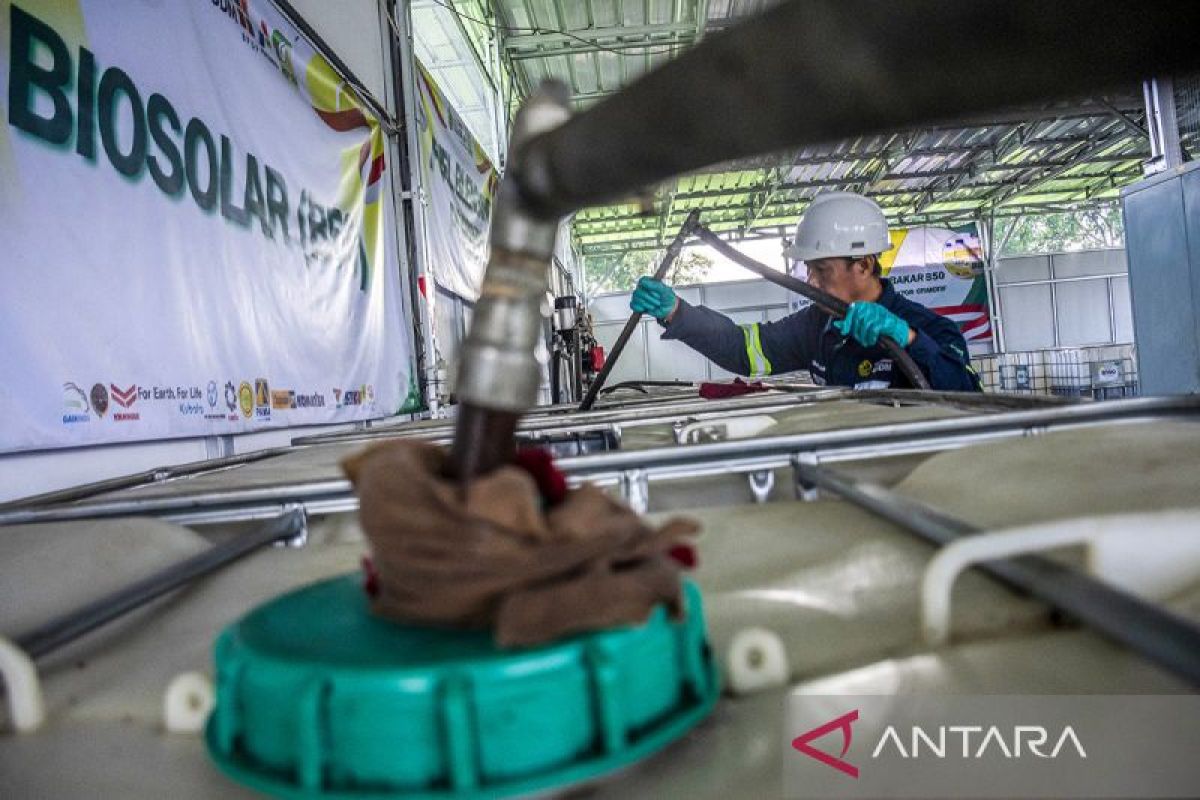
The B50 programme cannot be viewed solely as an energy policy or one that only concerns the palm oil industry. This programme is part of a broader strategy to strengthen national economic resilience.
When world oil prices soar due to geopolitical conflicts or energy supply disruptions, the impact does not stop at the international market. For the people of Indonesia, such turmoil spreads into daily life through rising transportation costs, goods distribution expenses, and the prices of basic necessities.
This situation demonstrates that national economic stability is not only influenced by domestic factors but is also heavily affected by global dynamics beyond Indonesia’s control. Amidst such conditions, maintaining economic stability cannot rely on a single policy instrument. Bank Indonesia indeed has the mandate to maintain inflation and exchange rate stability, but the success of this task is greatly enhanced when supported by real sector policies that can reduce sources of economic vulnerability.
One policy with a strategic role is the implementation of B50 biodiesel.
Withstanding the Impact of Turmoil
So far, B50 has been largely understood as an energy transition programme or an effort to increase domestic palm oil utilisation. In reality, its benefits are far broader. From a macroeconomic perspective, this policy has the potential to strengthen national economic resilience because it can reduce dependence on imported energy, curb external inflationary pressures, and bolster the effectiveness of Bank Indonesia’s policy mix.
For the public, inflation is not just a figure announced every month. Inflation determines how far the income received can still meet daily needs. When the prices of rice, cooking oil, vegetables, or transportation costs continue to rise, people’s purchasing power weakens. Therefore, keeping inflation low and stable is not merely an economic target but part of the effort to maintain public welfare.
One factor that often triggers inflationary pressure is the rise in world energy prices. Although Indonesia has increased domestic energy production, the national demand for certain types of fuel products still relies on imports. When international crude oil prices rise, the cost of fuel supply increases. This cost increase spreads to various sectors through higher logistics and goods distribution costs.
The B50 programme makes an important contribution to reducing this vulnerability. By increasing the use of palm oil-based biodiesel as a diesel blend, Indonesia reduces its need for imported diesel. The greater the portion of energy met from domestic sources, the lower the economy’s sensitivity to world oil price fluctuations.
Admittedly, B50 is not the sole factor determining domestic fuel prices. Energy prices are also influenced by subsidy policies, world crude oil prices, and various other factors. However, the increased utilisation of biodiesel provides the government with greater room to manage energy supply costs. Consequently, inflationary pressures originating from the energy sector can be suppressed, preventing them from easily spreading to the prices of various public necessities.