
B50 Biodiesel Officially Launched, Indonesia Saves Rp 170 Trillion in Foreign Exchange
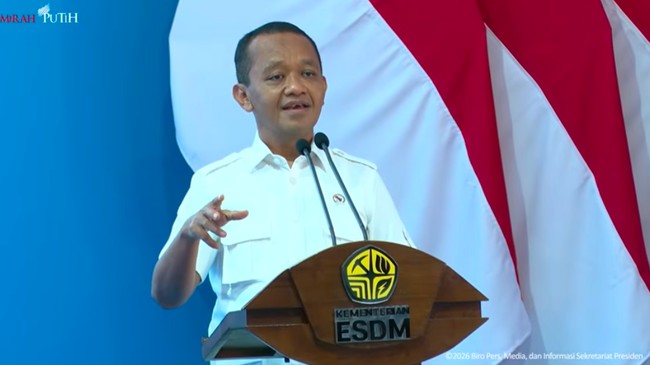
The government launched B50 biodiesel, a diesel fuel with a 50 per cent palm oil blend, on Thursday, 9 July 2026 at a Pertamina petrol station at Rest Area KM 57 on the Jakarta-Cikampek Toll Road in Karawang Regency, West Java. This launch represents an increase in biodiesel utilisation from Fatty Acid Methyl Ester (FAME) to 50 per cent, up from the 40 per cent (B40) mandate that has been in effect since early 2025. Minister of Energy and Mineral Resources (ESDM) Bahlil Lahadalia stated that the implementation of the B50 biodiesel mandate will save the country Rp 170 trillion in foreign exchange, an increase from the Rp 133.3 trillion saved under the B40 policy. “With the implementation of B50, we are no longer importing diesel, this is the first time. This is not easy work, the maximum stages are 10, and even then it took three years just for trials. But the President’s order is that we must find a way to be self-sufficient in B50, because we interpret this not just as an issue, but as a matter of national sovereignty and independence for our own energy,” Bahlil said while delivering a report on B50 fuel before President Prabowo Subianto at the launch event. He detailed that the foreign exchange savings rose from Rp 133 trillion with B40 to Rp 170 trillion with B50. The added value for the CPO industry increased to Rp 23.49 trillion from Rp 20.92 trillion under B40. Employment absorption rose to 2.1 million workers with B50, alongside a greater reduction in CO2 gas emissions. “B50 is not just about fossil and vegetable fuels, but a decision for the people that Indonesia can stand on its own resources,” he asserted. According to data presented by Bahlil, the need for biodiesel or FAME for B50 rises to 16.7-18 million kilolitres, up from the 14.9 million kilolitres required for B40. Meanwhile, the need for crude palm oil (CPO) increases to 15.2-16.3 million tonnes for B50, from 13.6 million tonnes for B40. In terms of greenhouse gas emission reductions, the implementation of B50 will lower CO2 emissions by 44.46 million tonnes, compared to 39.66 million tonnes under B40.