
B50 Biodiesel Mandate to Take Effect 1 July: Six Key Facts
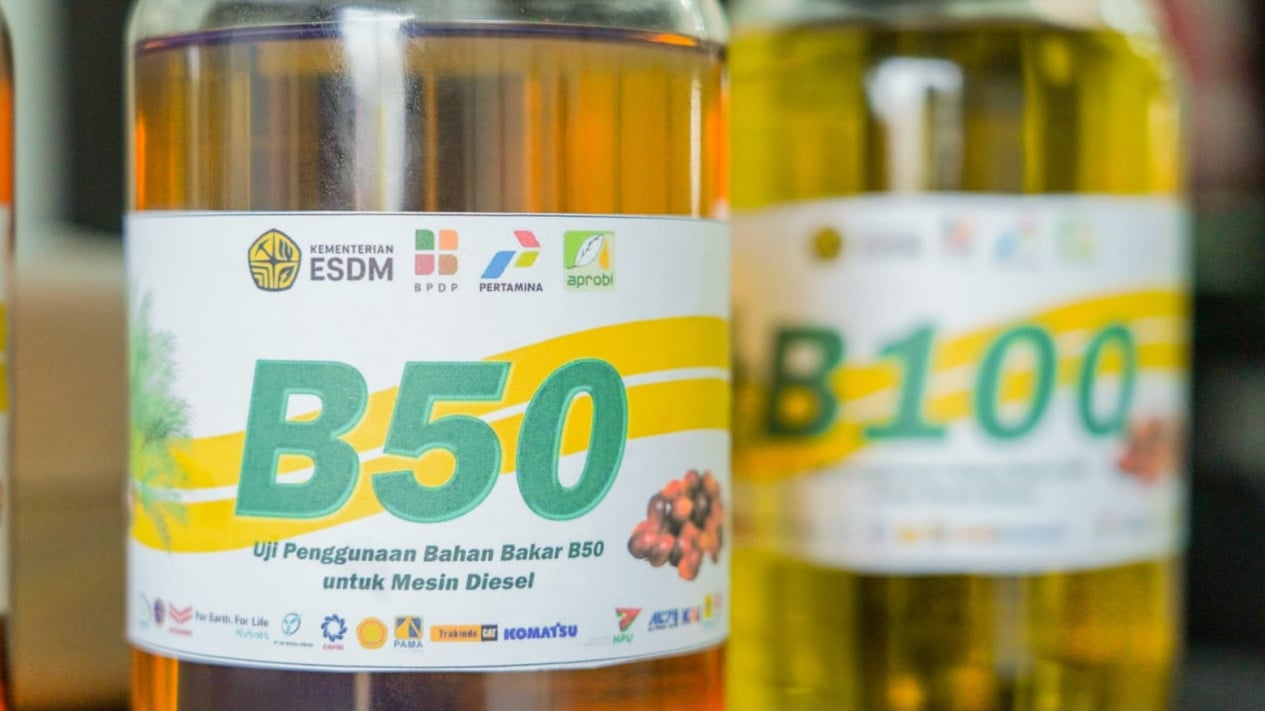
The Indonesian government will officially implement the B50 biodiesel policy, mandating a 50 percent blend of palm oil-based fuel in diesel, starting 1 July 2026. This move continues the country’s mandatory biodiesel programme, which has progressively increased the blend ratio in recent years.
The B50 mandate is part of the government’s energy sector policy aimed at increasing the utilisation of palm oil-based biofuel. Officials state the policy is designed to reduce dependency on imported fossil fuels whilst simultaneously boosting domestic absorption of palm oil.
Key details regarding the implementation include:
- Official implementation begins 1 July 2026
Starting 1 July 2026, the government will raise the mandatory biodiesel blend to 50 percent, or B50. This policy builds upon previous mandatory biodiesel programmes that featured lower blend ratios. According to the government, increasing the biodiesel blend is part of efforts to strengthen national energy security through the use of palm oil-based biofuel.
- Targets reduction in diesel imports and carbon emissions
The government states the B50 implementation aims to reduce reliance on diesel imports while increasing the use of domestically sourced energy. Additionally, the use of biodiesel is expected to help curb greenhouse gas emissions, as it is considered more environmentally friendly than conventional fossil fuels. The policy is also intended to increase domestic palm oil absorption.
- Biodiesel programme records significant economic impact
According to data from the Ministry of Energy and Mineral Resources (ESDM), the implementation of the biodiesel programme from 2015 to 2025 resulted in foreign exchange savings of Rp722.9 trillion. During this period, the government also recorded added value of Rp114.7 trillion from processing crude palm oil (CPO) into biodiesel, employment absorption of up to 10.9 million people in the palm oil sector, and a reduction in greenhouse gas emissions amounting to 228.41 million tonnes of CO₂.
- B50 implementation seen as supporting energy security
The government views the B50 implementation as a strategic step that not only strengthens national energy security but also expands the domestic market for Indonesian palm oil products. This was conveyed by BPDP President Director Eddy Abdurrachman.