
B50 Biodiesel Mandate Could Inflate Vehicle Maintenance Costs
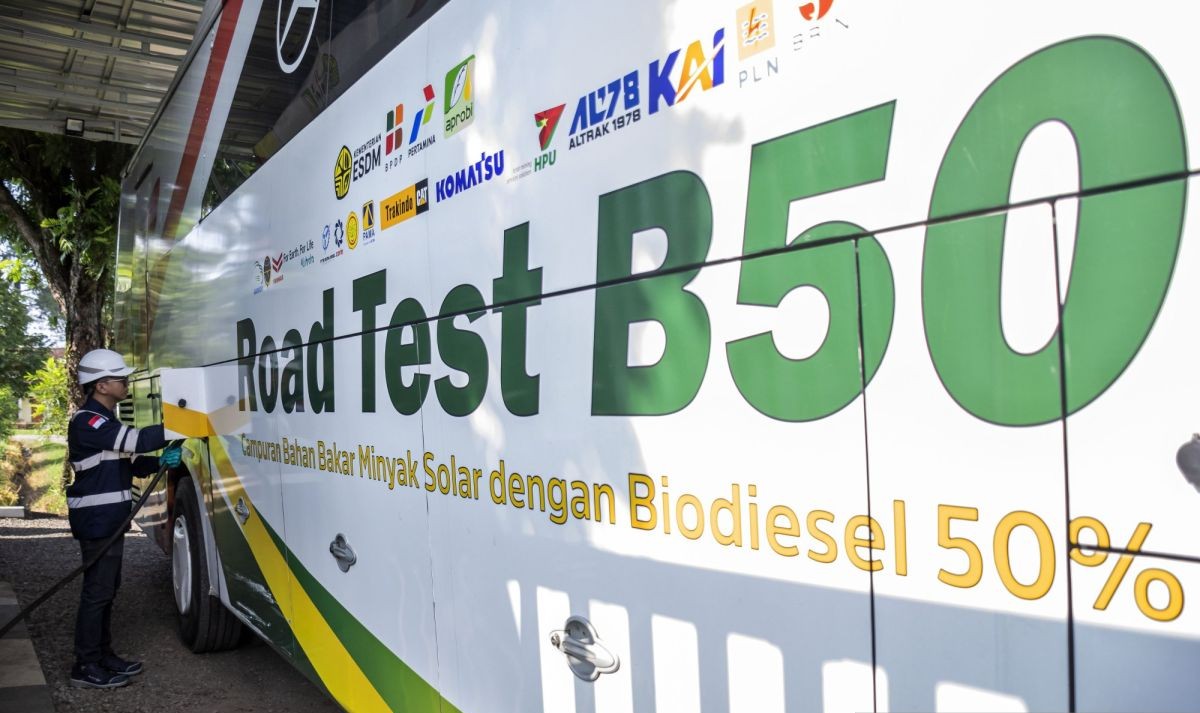
Executive Director of the Institute for Development of Economics and Finance (Indef) Esther Sri Astuti has warned of potential increases in operational costs for industries following the planned implementation of the B50 mandate, which requires conventional diesel fuel to contain a 50 percent blend of palm oil-based biodiesel. Esther explained that the additional costs would primarily be needed for engine maintenance. This is particularly crucial for older diesel engine models that were not technically designed to consume fuel with a high vegetable oil content. “In heavy sectors such as mining, the use of fuel with high vegetable fat content risks increasing engine maintenance costs by up to 10 percent,” Esther stated when contacted from Jakarta on Monday (30/6). Beyond engine issues, Esther highlighted the hygroscopic nature of biofuel, which makes it prone to absorbing water. This characteristic necessitates completely sealed storage infrastructure to prevent degradation or damage to the fuel before use. Despite highlighting operational cost concerns, Esther acknowledged that the B50 policy brings positive impacts to the national economy. The mandate is believed to increase the added value of domestic palm oil commodities and strengthen national energy independence. Furthermore, the policy is seen as strategic for reducing dependence on fossil fuels. Esther noted that B50 could enable the government to massively reduce diesel imports in the future. In line with this, Minister of Energy and Mineral Resources (ESDM) Bahlil Lahadalia projected that utilising B50 could reduce fossil fuel imports by up to 4 million kilolitres per year, potentially saving the country up to Rp157.28 trillion in foreign exchange. From an employment perspective, the increased consumption of biofuel is projected to absorb up to 2.21 million workers across related sectors. Given that the demand for palm oil will surge as the main raw material for B50, Indef is encouraging the government to strengthen accountability in managing the palm oil ecosystem from upstream to downstream. Currently, the government, through the Ministry of Finance, has tasked the Palm Oil Plantation Fund Management Agency (BPDPKS) with managing palm oil export levy funds. These funds are allocated for industrial development, research, and farmer welfare through programmes such as the People’s Palm Oil Replanting (PSR) scheme. “Support for palm oil farmers and accountable fund distribution must be continuously monitored to maintain the sustainability of the palm oil industry ecosystem,” Esther concluded.