
B50 Biodiesel in the Framework of Energy and Food Security
If smallholder plantation productivity increases, the supply chain becomes more efficient, domestic governance is maintained with discipline, and alternative raw materials are developed, then B50 is not a threat.
Jakarta (ANTARA) - In every public debate about B50 biodiesel, the question that arises most quickly is not about mechanical or vehicle engine technicalities, but about the supply of commodities for the kitchen, such as whether the need for cooking oil will be met?
Indeed, cooking oil remains a sensitive commodity that affects inflation and social stability. Therefore, the success of B50 is measured not only by how much diesel imports are reduced, but also by whether the supply of raw materials and cooking oil for the people’s kitchens remains secure.
However, this is precisely where Indonesia’s optimism lies. The programme does not start from zero.
The B40 programme in 2025 demonstrated that a biodiesel mandate can run alongside strengthening the national economy. Domestic biodiesel realisation reached 14.2 million kilolitres, exceeding the target, while saving more than Rp130 trillion in foreign exchange and significantly reducing emissions. This means the foundation for B50 has proven to work.
Looking ahead, the implementation of B50 does require additional raw material supplies. However, the more appropriate approach is not to view it as a frightening large surge, but as an addition or reallocation of supply needs of around 4 million–5 million tons of CPO-equivalent raw materials per year. This figure better reflects the additional needs from policies already in place, while being consistent with the national FAME increase target.
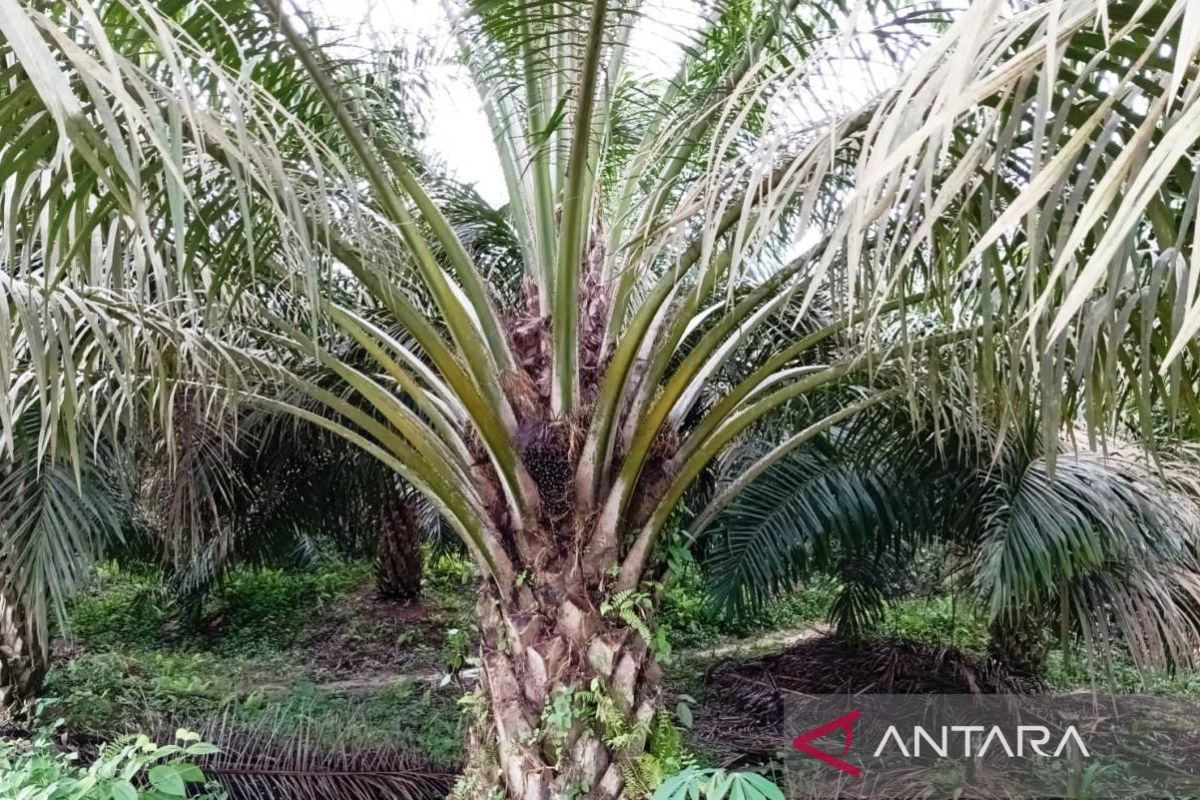
The question then shifts to where this additional supply will come from? Data shows that smallholder plantations control more than 40 percent of the national palm oil area, but their productivity still lags behind large plantations. On average, smallholder plantations produce around 2.4 tons of CPO per hectare, while large plantations are above 3 tons.
This gap is not just a number; it is an opportunity. If smallholder plantation productivity rises to approach 3 tons per hectare alone, the additional national production could reach around 4 million tons. Even, if approaching large plantation productivity, the additional supply could exceed the additional needs of B50 itself.
In other words, Indonesia actually does not lack land or potential, but still has ‘hidden production reserves’ in smallholder plantations. This is where the People’s Palm Oil Rejuvenation Programme (PSR), the use of superior seeds, precise fertilisation, and improvements in cultivation practices become key.
This approach is also more sustainable. Instead of opening millions of new hectares that pose environmental and social risks, productivity increases provide a middle path between energy needs and sustainability commitments.