
B50 Becomes a Foreign Exchange Saving Instrument, Government Projects Savings of up to Rp 139.8 Trillion
The government is placing the B50 biodiesel programme as one of the fiscal instruments to maintain economic resilience while curbing the nation’s foreign exchange burden amid global dynamics.
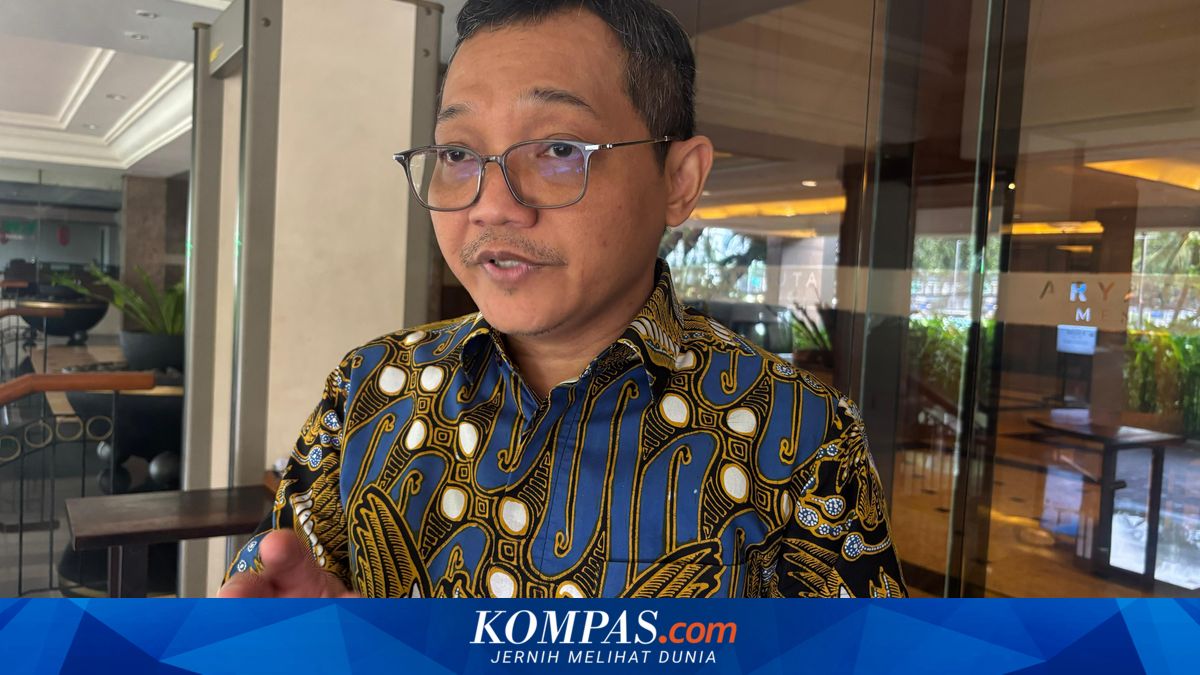
Deputy for Coordinating the Management and Development of State-Owned Enterprises in the Coordinating Ministry for Economic Affairs, Ferry Irawan, stated that the implementation of B50 not only impacts the energy sector but also provides direct benefits to the state budget.
In addition to budget efficiency, this mandatory biodiesel programme also contributes to substantial foreign exchange savings.
“At the very least, the government can maintain budget efficiency, particularly from BPDB amounting to at least Rp 48 trillion, derived from savings in biodiesel incentive budgets and reduced fuel imports,” said Ferry at the Ayana Hotel, Jakarta, on Thursday (30/4/2026).
From an industrial perspective, the implementation of B50 also drives an increase in the added value of palm oil commodities.
Ferry noted that the added value of crude palm oil (CPO) reached Rp 20.92 trillion in 2025 and is projected to rise to Rp 21.94 trillion in 2026.
Not only that, this sector also contributes to job creation.
In 2025, the palm oil industry and its derivatives absorbed around 1.88 million workers and is projected to increase to 1.97 million workers in 2026.
Ferry emphasised that the B50 programme is part of the government’s strategy to strengthen national energy resilience, while maintaining economic stability amid global uncertainties.
“What we want to safeguard are our buffers, both in the state budget and in society, and one of them is from the energy side, which is why B50 is being promoted,” he said.
For information, the government plans to begin implementing the B50 biodiesel programme on 1 July 2026.
This programme is an upgrade from previous mandates, with the aim of reducing dependence on oil fuel imports.
Moreover, this policy is also expected to strengthen the role of palm oil commodities as a source of renewable energy while driving national economic growth.
“Thus, technically, we hope that by 1 July 2026, everything will be ready, including technical aspects, engine reliability, and the safety of B50 usage before we proceed on 1 July,” he concluded.
Source: jawawa.id (https://jawawa.id/newsitem/b50-becomes-a-foreign-exchange-saving-instrument-government-projects-savings-of-up-to-rp-139-8-trillion-1777530568)
Originally published by Kompas (https://money.kompas.com/read/2026/04/30/110600726/b50-jadi-instrumen-hemat-devisa-pemerintah-proyeksikan-penghematan-hingga-rp?utm_source=ABC&utm_medium=rss), translated from Indonesian