
B50 and Foreign Exchange Savings
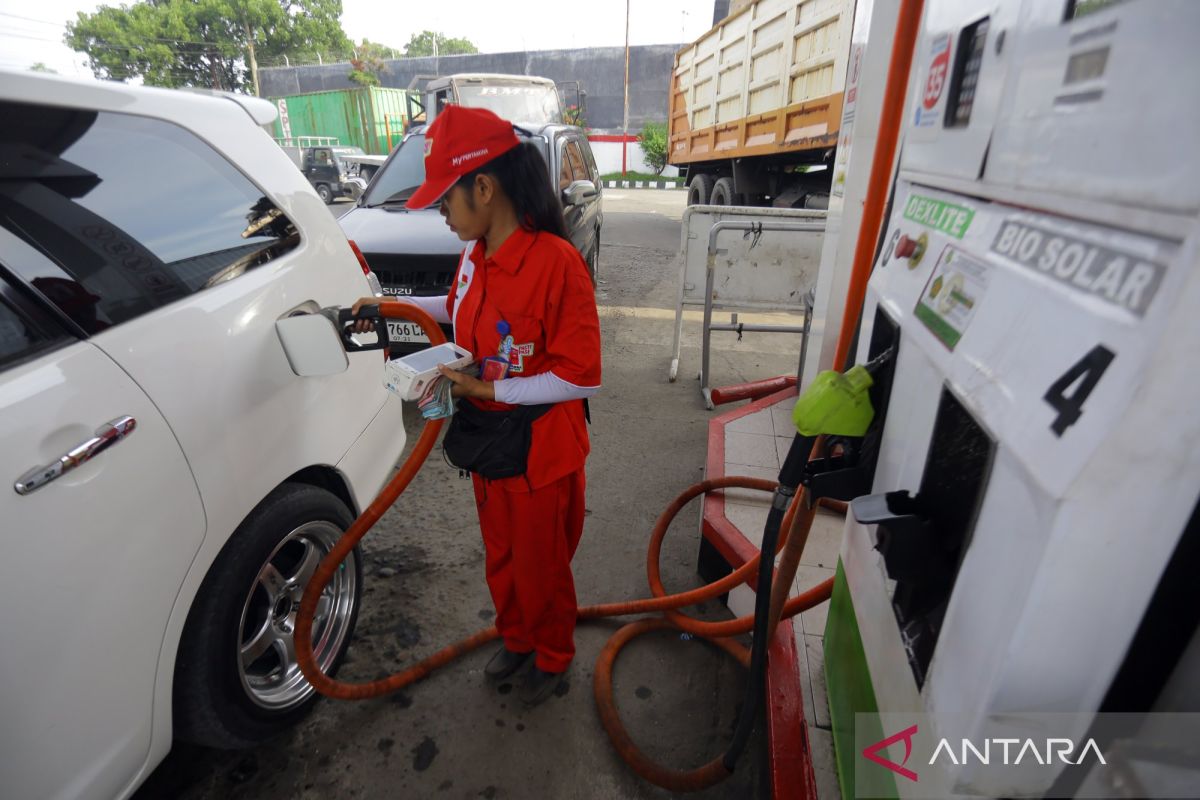
The prolonged conflict in the Middle East serves as a reminder that energy security is not merely a development agenda, but a fundamental economic necessity and a strategic requirement for a nation’s sustainability. As world oil prices fluctuate and threats to the Strait of Hormuz loom over global energy supplies, oil-importing countries find themselves in a highly vulnerable position, and Indonesia is no exception.
For years, Indonesia has consumed around 40 million kilolitres of diesel annually, a portion of which is met through imports. Consequently, foreign exchange reserves have been drained, while the state budget (APBN) is burdened by subsidies due to the price difference between purchase and sale. The B50 programme is designed to loosen and eventually break free from this subsidy trap that has long constrained the national budget.
In this context, the energy transformation from B20, B30, B40, to B50 is not merely a change in fuel composition, but a grand strategy to reduce dependence on fossil fuels while strengthening the foundation of the national economy. B50 is a blend of 50 percent fatty acid methyl ester (FAME) derived from palm oil and 50 percent diesel. Behind the number ‘50’ lies a significance far greater than just an energy mix.
By 2026, the demand for FAME is projected to reach 17.6 to 20.1 million kilolitres. Meeting this demand will require approximately 23.3 million tonnes of crude palm oil (CPO) sourced from 101 to 106 million tonnes of fresh fruit bunches (TBS). This means nearly 40 percent of the national CPO production will be absorbed by the domestic market through the biodiesel programme.
This is where the strength of B50 lies. Previously, the price of fresh fruit bunches for farmers was heavily dependent on export dynamics. When demand from India, China, or Europe weakened, palm oil prices fell, squeezing farmers in difficult conditions where fertiliser costs could not be offset by harvest income. The presence of B50 creates a strong domestic market, acting as a buffer for national demand, reducing reliance on export markets, and maintaining price stability for oil palm farmers.
The benefits extend beyond the plantation sector. From an energy perspective, B50 can replace around 20 million kilolitres of fossil-based diesel, significantly reducing diesel imports. As a result, foreign exchange that previously flowed abroad can be retained and circulated within the domestic economy. The B50 programme is projected to save between Rp157 trillion and Rp170 trillion in foreign exchange annually. The added value of the palm oil industry is expected to increase by up to Rp24.68 trillion, create approximately 2.2 million jobs, and simultaneously reduce greenhouse gas emissions. B50 is clearly not just a biodiesel programme; it is a policy that links energy security, foreign exchange savings, trade balance improvement, palm oil industry strengthening, farmer welfare enhancement, and Indonesia’s commitment to a cleaner energy transition.