
AZKO’s ‘Sharing the Light’ Programme Distributes More Than 32,000 LED Bulbs to Remote Areas of Indonesia
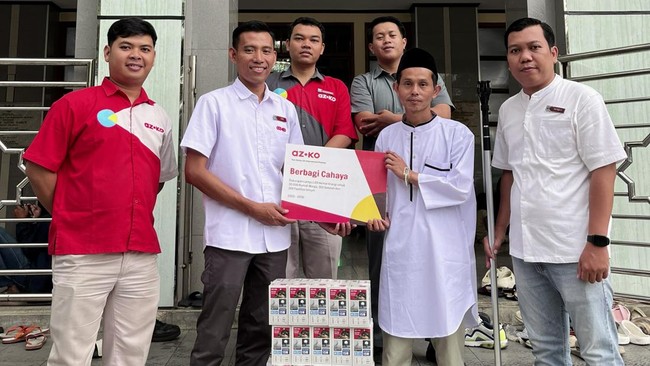
Energy efficiency is an important way to encourage more responsible use of resources and support efforts to mitigate climate change. One practical measure is using LED bulbs, which consume less electricity than conventional lighting. In line with this, PT Aspirasi Hidup Indonesia Tbk (AHI) (ACES), through AZKO, continues to run the AZKO Berbagi Cahaya programme to expand access to energy-efficient lighting and encourage more efficient energy use.
As of October 2026, the programme had distributed 32,818 LED bulbs to 6,950 homes, 37 schools and 39 public facilities in various parts of Indonesia, including Java, Sumatra, Kalimantan, Sulawesi, Maluku, Bali, Lombok and Papua.
Melinda Pudjo, Head of Corporate Communications and Sustainability at PT Aspirasi Hidup Indonesia Tbk, said AZKO was committed to expanding the programme’s reach so that more people could benefit from energy-efficient lighting.
“For us, sustainability is reflected not only in the management of our company’s operations, but also in initiatives that encourage the public to use resources more responsibly,” she said, according to a written statement on Wednesday (28 October 2026).
“Through AZKO Berbagi Cahaya, we want to support a range of community activities by providing better lighting with energy-efficient LED bulbs, which can improve electricity efficiency without compromising lighting quality. The initiative is also part of our efforts to encourage a more environmentally friendly and responsible lifestyle, in line with AZKO’s aspiration to ‘Open the Door to Better Living’,” Melinda added.
AZKO Berbagi Cahaya is one of the company’s efforts to support AHI’s Sustainability Ambition 2030, particularly by promoting energy efficiency, supporting climate change mitigation and expanding public access to better lighting. The initiative is also aligned with the Sustainable Development Goals, especially Goal 7 on affordable and clean energy and Goal 13 on climate action, through efforts to encourage more efficient energy use.
The company’s commitment to sustainability is also reflected in AZKO’s product portfolio. Environmentally friendly products currently account for 11.3% of AZKO’s total product range, with a target of increasing this to more than 20% by 2030.
This category includes products that support energy and water efficiency, waste reduction and the use of more environmentally friendly raw materials.
As part of its range of energy-efficiency solutions, AZKO offers a selection of KRISBOW Lumi LED bulbs that can reduce electricity consumption by up to 85% and provide brighter light than conventional incandescent bulbs, for indoor and outdoor use.
The selection includes KRISBOW Lumi LED Emergency bulbs to provide lighting during emergencies, as well as KRISBOW Lumi LED Sensor bulbs that switch on automatically when it is dark and off when it is light. The light-sensor technology can help users who forget to switch off their lights, helping to keep electricity use in check.
“Through AZKO Berbagi Cahaya and its range of products that support energy efficiency, AHI seeks to combine benefits for communities with the promotion of more responsible energy consumption. This is part of the company’s commitment to providing solutions relevant to everyday needs while supporting a more sustainable future,” Melinda said.
Source: jawawa.id (https://jawawa.id/newsitem/azkos-sharing-the-light-programme-distributes-more-than-32-000-led-bulbs-to-remote-areas-of-indonesia-1793173879)
Originally published by CNBC Indonesia (https://www.cnbcindonesia.com/news/20261028134109-4-780176/azko-berbagi-cahaya-salurkan-lebih-dari-32000-lampu-led-ke-pelosok-ri), translated from Indonesian