
Avoiding Sukabumi's Forests Being Scorched by a Single Spark
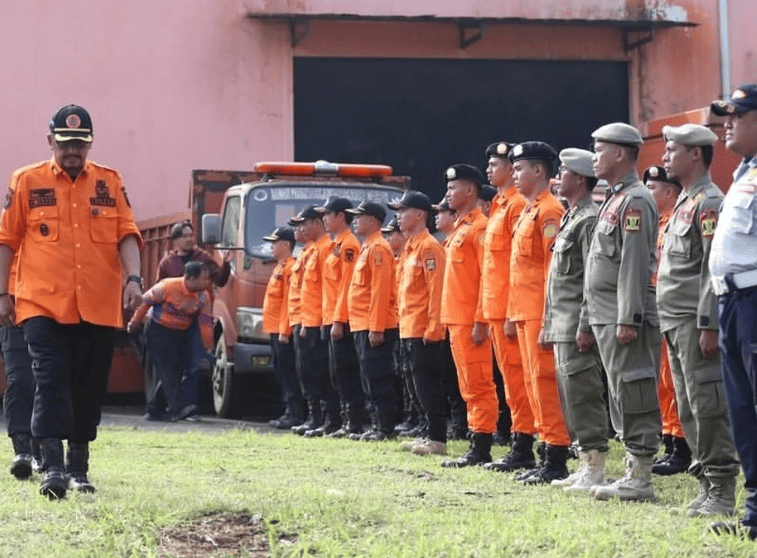
The rising temperatures felt in Sukabumi Regency, West Java, are more than just ordinary weather changes. This phenomenon serves as an alarm, reminding us that the dry season has entered a more serious phase. The Sukabumi Regency Government is now increasing vigilance against the threat of forest and land fires (karhutla) and the potential for widespread drought if anticipatory measures are not taken early.
Based on field observations, the increase in air temperature in this vast region of West Java is occurring alongside the peak of the dry season. The Sukabumi Regency Fire and Rescue Service (DPKP) has officially issued an early warning for the public to be wary of fire-prone areas.
The Head of DPKP Sukabumi Regency, Budianto, revealed that the risk of fire currently threatens not only forested areas but also residential areas. The characteristics of the Sukabumi Regency region, which comprises 47 districts, are still dominated by forests and open land, making it highly vulnerable to the spread of fire.
“We must be collectively vigilant about this potential. Air temperatures are beginning to rise, making it quite prone to the potential for forest and land fires as well as residential fires,” said Budianto on Thursday (2/7).
The condition of vegetation drying out due to intense sunlight serves as highly flammable fuel. Even a small trigger can cause fire to spread rapidly, especially if supported by the strong winds common during the dry season.
To minimise the risk of disaster, the DPKP is urging the community to be more disciplined in their outdoor activities and within their home environments. Several key points have been emphasised by the local government.
In addition to the threat of fire, the DPKP also highlighted the potential for drought that is beginning to shadow several areas. A decrease in the discharge of surface water and groundwater is starting to be felt, leading to the threat of a clean water crisis for residents.
The public is urged to begin implementing water-saving lifestyles. “Even if there is still rain, please collect the water because it will certainly be needed at any time amidst the current conditions,” concluded Budianto. This independent water management step is considered crucial before the government has to take emergency measures, such as distributing clean water via water tankers, if the drought worsens.