
Avoid Returning on 24, 28, 29 March: Peak of Lebaran Homecoming Traffic
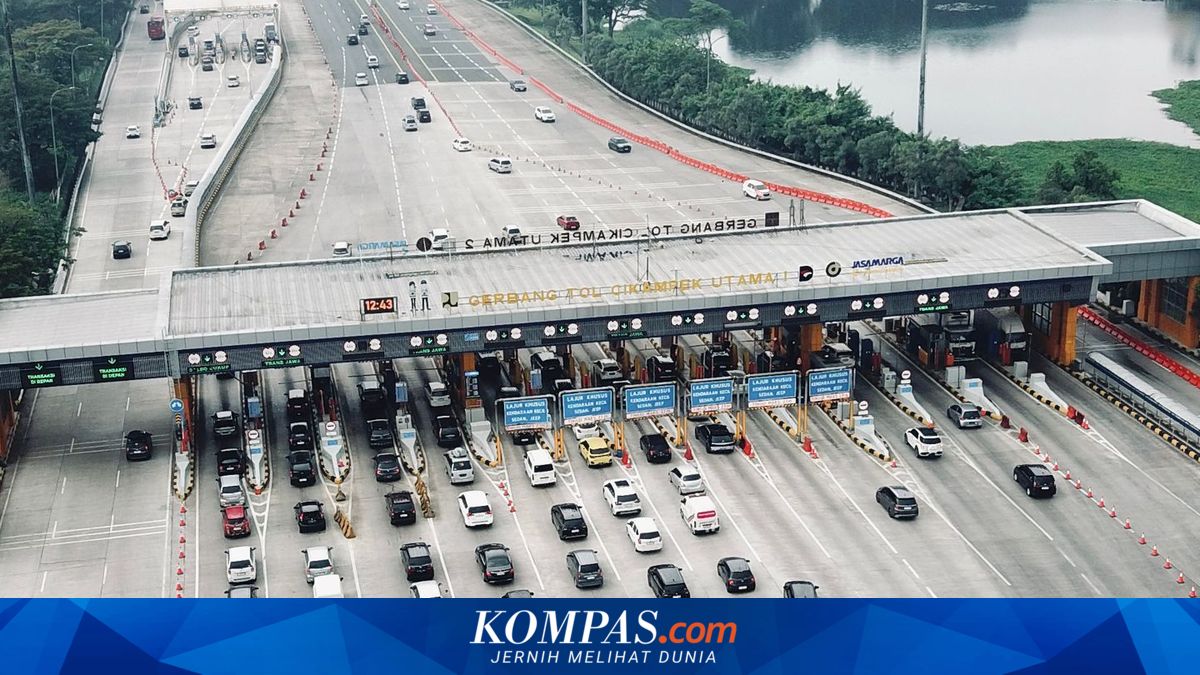
JAKARTA - The Minister of Transportation, Dudy Purwagandhi, has urged the public to avoid the peak of the Lebaran return traffic in 2026, predicted to occur on 24, 28, and 29 March 2026.
The advisory was issued during an inspection of H+1 Lebaran traffic flow at the Jasamarga Tollroad Command Centre (JMTC) on Sunday (22/3/2026).
“Based on the calculations we obtained at JMTC, the peak return traffic is predicted to fall on Tuesday, 24 March 2026, with an estimated volume of more than 285,000 vehicles. This number is larger than the peak outbound traffic on 18 March 2026, which was 270,315 vehicles,” said Dudy, quoted from an official statement on Monday (23/03/2026).
He added that avoiding the peak return traffic is necessary to ensure more even distribution of traffic and make public travel more comfortable.
In agreement, the National Traffic Police Chief, Agus Suryonugroho, stated that there are three peak return traffic periods that mudik travellers need to anticipate.
“We predict those three days will be the peak of Lebaran return traffic in 2026. We urge the public to avoid those peak return traffic times so that mudik services can proceed safely, comfortably, and securely,” said Agus.
Meanwhile, the President Director of PT Jasa Marga (Persero) Tbk, Rivan A. Purwantono, encouraged the public to plan their journeys better, including utilising toll fee incentives.
“We also remind mudik travellers to take advantage of the 30 percent toll discount during the return traffic period for two days, namely on 26-27 March 2026, on 9 Jasa Marga Group toll roads for continuous journeys,” said Rivan.
“The aim is the same as recommended by the Minister of Transportation and the National Traffic Police Chief, namely to control the distribution of return traffic volumes and provide more comfortable travel for the public,” Rivan explained.
In facing the return traffic, Jasa Marga is strengthening services on major toll roads by optimising toll gates, preparing service fleets, and conducting situational traffic management.
Traffic monitoring is also carried out in real-time through JMTC, supported by information dissemination via the Travoy app, call centre 133, and Radio Travoy FM.
The public is urged to ensure vehicle and driver conditions are in top shape, to rest sufficiently at rest areas, and to ensure sufficient fuel and electronic money balance before entering the toll road.